The story of Paris Ooh-La-La!
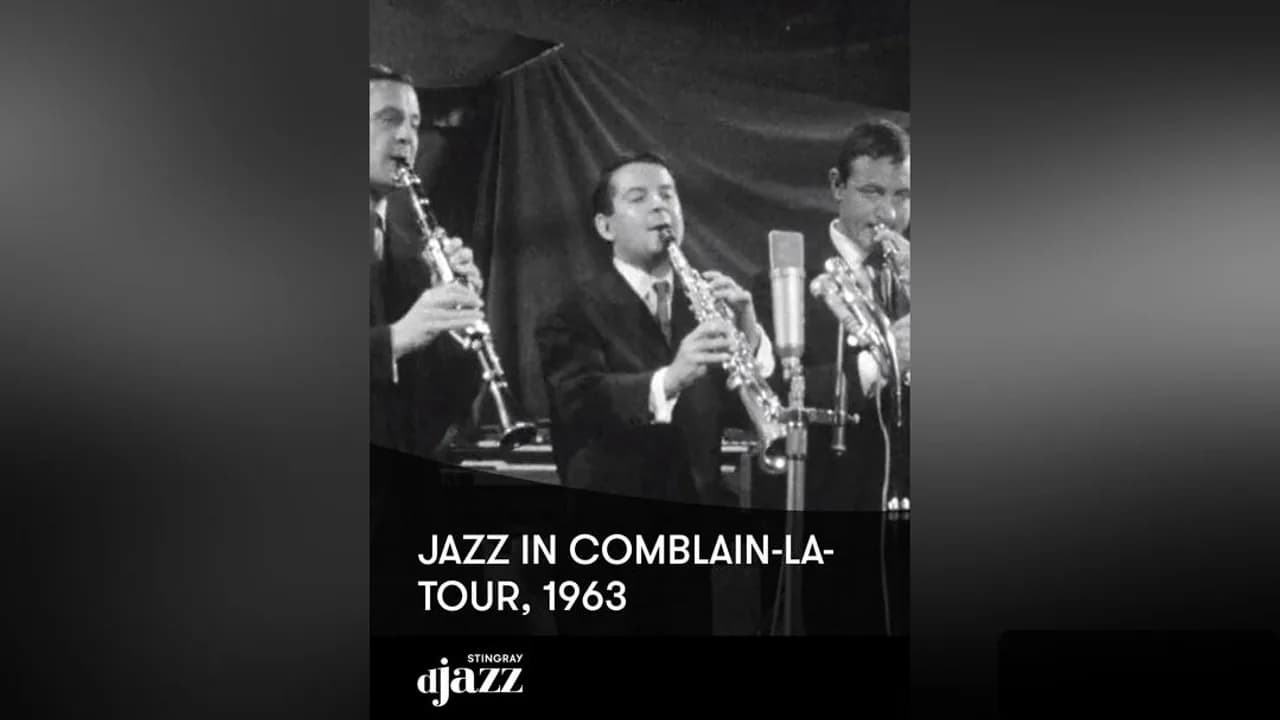
Paris Ooh-La-La! isn't what you'd expect from a film with such a suggestive title. Instead of the romantic escapades the name implies, director José Bénazéraf crafted something far stranger — a 1963 comedy centered around a jazz festival held in the small Belgian town of Comblain-la-Tour. The premise is delightfully thin: talented musicians including Charlie Galbraith, Knut Kiesewetter, Bud Shank, Pim Jacobs, and Marc Laferrière converge on this unlikely venue, bringing together new and old jazz styles in what becomes less a coherent narrative and more a rambling excuse to showcase performances, gags, and the kind of anarchic humor that defined European comedy of the era. At just 41 minutes, the film doesn't overstay its welcome — though whether that's a mercy or a missed opportunity depends on your tolerance for experimental comedies.
Behind the making of Paris Ooh-La-La!
The production of Paris Ooh-La-La! reflects the scrappy, low-budget ethos of early 1960s European cinema. José Bénazéraf, a French director working in an era when art-house and exploitation films often blurred together, assembled a cast that mixed performers like Dick Randall — an American comic known for bit parts and voice work — with French and international talent including Jessica Rubicon, Poupee La Rose, Claudine Hogleneel, and Pamela Holhouse. Roberto Talamo and Chantal Delor rounded out the ensemble. There's no record of major studio backing or significant box office returns; this was the kind of project that played in small theaters, art cinemas, and later found new life through home video and streaming platforms. The film's modest runtime and straightforward production suggest it was made quickly and cheaply — which, honestly, you can feel in every frame. No lavish sets, no orchestral score dominating the soundtrack. What you get instead is the raw energy of live performances captured on film, the kind of thing that either works for you or doesn't, depending on whether you're charmed by its limitations or frustrated by them.
What makes Paris Ooh-La-La! stand out
The thing nobody mentions about Paris Ooh-La-La! is that it's genuinely difficult to pin down what kind of film it's trying to be. Comedy? Sure, there are gags — though many feel dated now, landing with the thud of a punchline only locals would've laughed at in 1963. A jazz showcase? Absolutely, but the musical performances feel almost incidental to the plot, or what passes for one. A surrealist art piece? Maybe unintentionally. What's striking is how earnestly it commits to its own weirdness without ever winking at the audience. The cast seems game for anything — there's no sense of anyone phoning it in or embarrassed by the material. Dick Randall, in particular, brings a vaudeville energy that suggests he understood the film's tongue-in-cheek sensibility, even if modern viewers might find his comedic timing opaque. The jazz performances by Shank, Jacobs, and the others anchor the film in something real and musical, which contrasts oddly with the theatrical mayhem happening around them. It's a collision of styles that shouldn't work but somehow creates its own strange momentum. Movie OTT tracks films like this — the ones that defy easy categorization and reward viewers willing to meet them on their own peculiar terms.
How to watch Paris Ooh-La-La! online
If you're curious enough to seek out this oddball 1963 French comedy, you're in luck. Paris Ooh-La-La! is currently available on Prime Video, making it accessible to anyone with an Amazon subscription. The streaming widget at the top of this page will show you the most up-to-date availability across platforms, but as of now, Prime Video is your destination. The film's short runtime — under 45 minutes — makes it an easy add to a lazy afternoon or a late-night curiosity session. Movie OTT aggregates streaming availability across major platforms, so if you're hunting for obscure titles or checking where your favorite films are currently streaming, you can rely on our real-time data to save you the clicking-around. It's worth noting that a film this old and this niche might not have the best transfer or picture quality — you're not getting a pristine 4K restoration here — but that's part of the charm when watching something from six decades ago.
Frequently asked questions
Q: Who directed Paris Ooh-La-La!?
José Bénazéraf, a French director known for working across exploitation and art-house cinema, helmed this 1963 comedy. He brought his eclectic sensibility to the project, resulting in a film that's hard to categorize.
Q: Where can I watch Paris Ooh-La-La! online?
You can stream Paris Ooh-La-La! on Prime Video, where it's currently available. Check the Where to Watch widget on this page for real-time platform updates.
Q: How long is Paris Ooh-La-La!?
The film runs just 41 minutes, making it a quick watch — whether that's a blessing or a curse depends on your patience for 1960s experimental comedy.
Q: Is Paris Ooh-La-La! based on a true story?
No, it's a fictional comedy centered around a jazz festival in Belgium. While the musicians featured (like Bud Shank and Pim Jacobs) were real jazz performers, the plot itself is a comedy construct.
Q: What's the IMDb rating for Paris Ooh-La-La!?
The film holds a 3.9 out of 10 on IMDb, reflecting its status as a cult oddity rather than a mainstream crowd-pleaser. Low scores don't always mean unwatchable — sometimes they just mean unconventional.
Final thoughts on Paris Ooh-La-La!
Paris Ooh-La-La! won't be everyone's cup of tea. The IMDb rating speaks to that — 3.9 out of 10 suggests most viewers found it baffling or boring. But there's something to be said for a film that commits so fully to its own weirdness, that doesn't apologize for its low budget or experimental structure. It's a time capsule of 1960s European comedy sensibilities, a glimpse of how differently cinema could be approached before standardization flattened so many artistic impulses. If you're the kind of viewer who enjoys discovering obscure films, who can appreciate craft even when the results are uneven, then Paris Ooh-La-La! deserves a chance. Worst case? You've spent 41 minutes on something genuinely strange. Best case? You've found a new favorite cult film to puzzle over and recommend to friends who'll probably hate it.