



The Story of Passing Strange
Passing Strange tells the story of a young Black artist who abandons his comfortable life in Los Angeles and embarks on a transformative journey across Europe. What starts as a straightforward quest for self-discovery quickly spirals into something messier, funnier, and far more philosophically ambitious. The protagonist isn't looking for fame or fortune—he's chasing an idea of authenticity, a version of himself he believes exists somewhere beyond the suburbs and strip malls of his hometown. But here's the thing: the musical doesn't let him off easy, and it won't let the audience off easy either. Stew's lyrics cut through pretension with surgical precision, mixing wit with genuine vulnerability as our hero stumbles through bohemian enclaves, artistic communities, and his own contradictions.
Behind the Making of Passing Strange
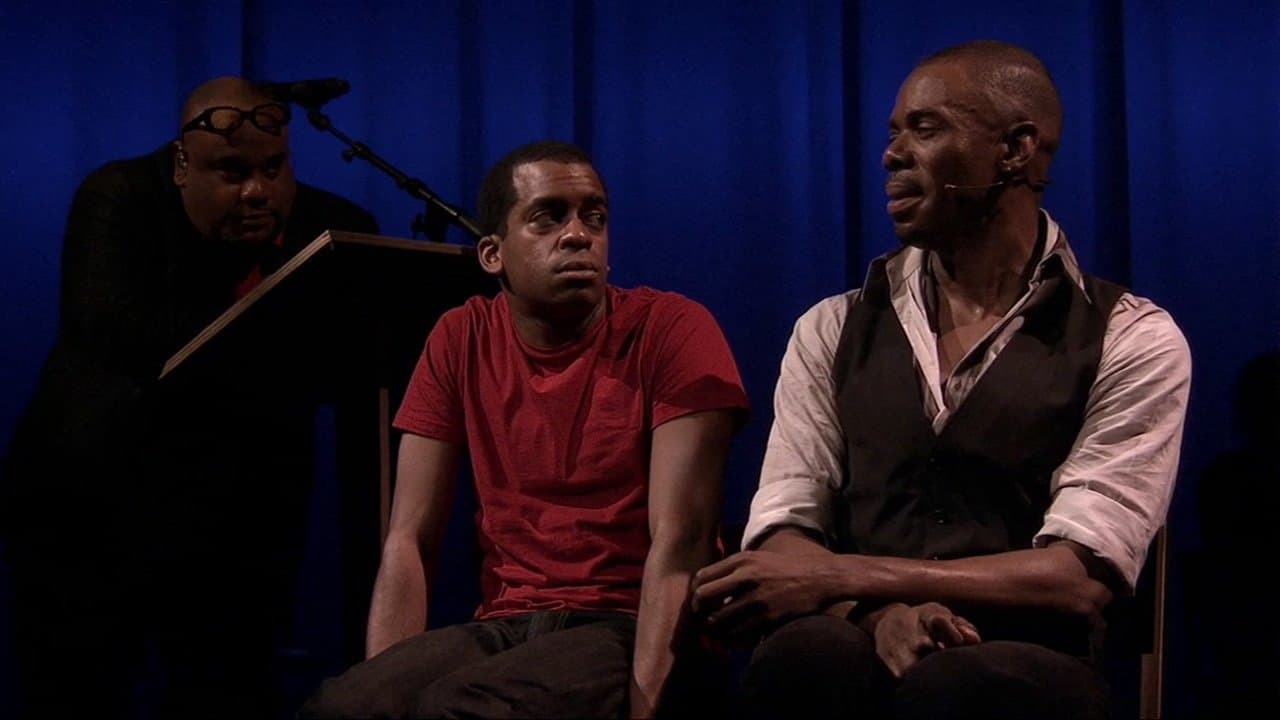
Passing Strange originated as a stage musical created by Stew, who wrote both the book and lyrics, with music and orchestrations by Heidi Rodewald and Stew himself. Director Annie Dorsen shaped the work's distinctive theatrical sensibility—a blend of rock concert energy and meta-theatrical commentary that keeps audiences off-balance. The 2009 film adaptation captures the original Broadway production, preserving the raw immediacy of live performance while translating it to screen. Produced by 40 Acres and a Mule Filmworks (Spike Lee's production company), Apple Core Holdings, and The Shubert Organization, the project carried real institutional weight behind it, though mainstream audiences largely overlooked it upon release. The runtime stretches to 135 minutes—not a quick streaming pick, but necessary breathing room for a work that refuses to rush its ideas or simplify its emotional landscape. Stew's dual role as writer and performer gives the piece an autobiographical texture that's hard to fake; you're watching someone excavate their own artistic anxieties on stage, which creates an intimacy that most musicals never achieve.
What Makes Passing Strange Stand Out
What's striking about Passing Strange is how it refuses to be comforting. Most musicals—even the ambitious ones—want to earn your applause, to make you feel like you've learned something uplifting. Stew's work does the opposite. It's structured around discomfort, around the gap between who we think we are and who we actually become. The performances anchor everything: there's an earnestness here that cuts through the rock-and-roll posturing, a willingness to look foolish in pursuit of something real. The songs don't exist to provide relief from the narrative—they are the narrative, pushing forward with lyrics that function like confessional monologues set to muscular, angular rock arrangements. What nobody mentions is how the musical's self-aware, almost fourth-wall-breaking quality actually deepens rather than distances the emotional core. When characters step out of the scene to comment on what's happening, they're not being clever for cleverness's sake—they're modeling the kind of honest self-examination the whole piece is demanding. The existentialist philosophy woven through the book (echoes of Sartre, Camus, and continental café culture) could've felt pretentious in less skilled hands, but Stew grounds it in real doubt, real stakes. It's comedy and heartbreak happening simultaneously, which is probably why mainstream audiences found it so hard to categorize.
Where to Stream Passing Strange Online
If you're ready to experience Passing Strange, the film is currently available on major OTT services—check the Where to Watch widget at the top of this page for real-time platform availability in your region. Movie OTT tracks current streaming status across all the major services, so you'll know instantly whether it's on your existing subscription or if you need to rent it separately. The 135-minute runtime means you'll want to carve out dedicated viewing time; this isn't background-watching material. Given that Passing Strange demands attention and rewards it generously, settling in for the full experience—without phone distractions—makes a real difference in how the work lands.
Frequently Asked Questions
Q: Who wrote and performed in Passing Strange?
Stew wrote the book and lyrics and also stars in the film, alongside composer and orchestrator Heidi Rodewald. Director Annie Dorsen shaped the theatrical production that was adapted to screen, giving the work its distinctive meta-theatrical energy.
Q: Is Passing Strange based on a true story?
While not a strict autobiography, Passing Strange draws heavily from Stew's own experiences as a young artist navigating identity, authenticity, and artistic ambition. The specificity of the emotional terrain suggests real lived experience, even as the narrative takes theatrical liberties.
Q: How long is Passing Strange?
The film runs 135 minutes, which gives the musical room to breathe and develop its ideas without rushing. Plan for a full evening's viewing rather than a quick stream.
Q: What's the IMDb rating for Passing Strange?
The film holds a 4.875 out of 10 on IMDb, which reflects how polarizing it is—audiences either connect deeply with its unconventional approach or find it alienating and self-indulgent. Don't let the rating alone determine whether you'll appreciate it.
Q: Is Passing Strange a comedy or a drama?
It's genuinely both, often simultaneously. The musical blends rock music, comedy, existential philosophy, and genuine emotional vulnerability into something that resists easy categorization—which is partly the point.
Final Thoughts on Passing Strange
Passing Strange won't be for everyone. It's weird, it's ambitious, it's occasionally frustrating, and it doesn't resolve neatly. But that's precisely why it matters. In a streaming landscape crowded with content designed to soothe and comfort, here's a work that wants to provoke, challenge, and make you sit with uncomfortable truths about identity, authenticity, and artistic aspiration. If you're willing to meet it halfway, it'll stick with you long after the credits roll.