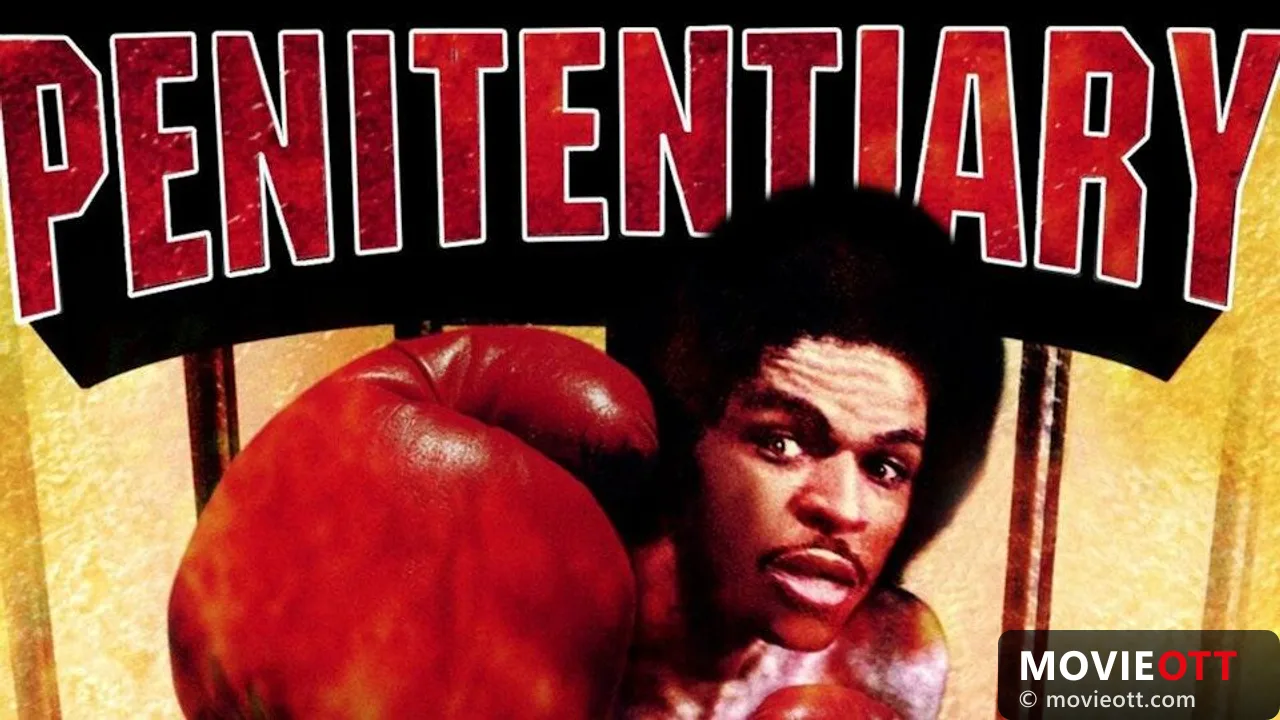

The story of Penitentiary II
Penitentiary II picks up where the original left off: Too Sweet has earned his freedom through boxing and is trying to start fresh. But the streets don't let go that easily. When his old adversary Half Dead resurfaces—carrying grudges and violence in equal measure—Too Sweet finds himself with no choice but to fight back. The film isn't interested in redemption arcs that feel neat or comfortable. Instead, it's a gritty exploration of what happens when you can't outrun your past, when the people you've hurt (or who've hurt you) have long memories and even longer reach.
What makes this premise work is its refusal to soften the edges. Too Sweet isn't a tragic hero waiting for his moment of grace. He's a man caught between two worlds—the institutional one he's escaped and the street one that won't let him leave. That tension drives everything that follows, even when the plot mechanics feel familiar to anyone who's watched a boxing drama or crime thriller before.
Production, cast and box office of Penitentiary II
Director Jamaa Fanaka returned to helm the sequel after the original's 1979 success, bringing his unflinching perspective on urban struggle and systemic violence back to the material. Released on April 2, 1982, Penitentiary II arrived during a specific moment in American cinema—when blaxploitation was evolving beyond its exploitation roots into something with more social commentary, though still operating within genre constraints. The film earned $3,178,542 at the box office, a respectable return for an independent production, though hardly the breakout success that might've positioned it as a major studio franchise.
Leon Isaac Kennedy carries the film as Too Sweet, bringing a physicality and weariness to the role that suggests he understands the character's exhaustion. Glynn Turman, Ernie Hudson, and a young Mr. T round out a cast that reflects the era's approach to casting—mixing seasoned character actors with rising stars and celebrity draws (Mr. T's presence here, before his mainstream breakthrough, adds an interesting historical layer). Peggy Blow, Sephton Moody, and Donovan Womack complete the ensemble. The R rating gave Fanaka room to depict violence and language without studio interference, which matters when you're trying to capture the rawness of street life.
The film's 109-minute runtime allows for character development and world-building rather than rushing toward climax after climax. That pacing choice—whether intentional or born from budget constraints—actually serves the material well. You're spending real time in these characters' lives, not just watching set pieces unfold.
What makes Penitentiary II stand out
Here's what's striking about Penitentiary II: it doesn't pretend to be something it's not. This isn't prestige cinema, and it's not trying to win over critics who'd already dismissed blaxploitation as inherently exploitative. What it does is commit fully to its world—the boxing scenes have real weight, the dialogue feels lived-in rather than scripted, and there's an underlying current of social observation that runs through the whole thing. The film understands that for Too Sweet and people like him, violence isn't a choice—it's a language, a currency, sometimes the only way to communicate when everything else has failed.
The performances don't always hit with the same intensity (the IMDb rating of 4.3/10 reflects a certain critical dismissal that's partly fair, partly rooted in genre bias), but Kennedy's work carries genuine conviction. When he's in the ring, you believe he's fought before, that his body remembers pain. There's a specificity to how he moves, how he carries himself—not the choreographed grace of a trained actor playing a boxer, but something rougher, more authentic. The thing nobody mentions is how much the supporting cast anchors the film's credibility. Turman and Hudson bring gravitas to roles that could've been one-dimensional, and that grounding makes the more melodramatic moments land better than they probably should.
Fanaka's direction, while not always polished, shows a real interest in capturing texture and atmosphere. He's not trying to make art cinema here—he's trying to make a film that feels true to its setting and its characters, and that commitment shows. The boxing sequences in particular have a brutal clarity that avoids the glossy choreography of mainstream sports films.
Where to stream Penitentiary II online
If you're looking to watch Penitentiary II, you can find it on Prime Video—the platform's deep catalog includes plenty of '80s genre fare, and this film sits comfortably within that collection. The Where to Watch widget at the top of this page will show you current availability across streaming services. Movie OTT tracks these listings in real time, so if you're hunting for where a title's available right now, that's the place to check. Availability does shift, especially for older independent films, so it's worth confirming before you settle in to watch. Prime Video's streaming quality is generally solid, and the 109-minute runtime means this isn't a massive time commitment—perfect for a weeknight or a weekend afternoon when you want something grittier than the usual mainstream fare.
Frequently asked questions
Q: Is Penitentiary II a sequel, and do I need to watch the first film?
Yes, it's the second in a trilogy (Penitentiary III followed in 1987). While you could watch this standalone—the plot's self-contained enough—watching the original first gives you the context for Too Sweet's character arc and makes the emotional stakes clearer. It's worth tracking down if you're interested in the full story.
Q: Who directed Penitentiary II?
Jamaa Fanaka directed both the original and this sequel, bringing continuity and a consistent vision to the series. His work in blaxploitation cinema, while not always celebrated in mainstream circles, shows a real commitment to depicting urban life with unflinching honesty.
Q: What's the deal with Mr. T in this film?
Mr. T appears in the cast during an interesting moment in his career—before he became a mainstream celebrity through The A-Team and Rocky III. His presence here is a historical curiosity and shows how the film was drawing on emerging talent to boost its profile.
Q: Is Penitentiary II based on a true story?
No, it's a fictional drama. However, Fanaka drew from real observations about the criminal justice system, street life, and the boxing world to inform the film's authenticity, even if the specific plot is invented.
Q: Why is the IMDb rating so low?
Genre bias plays a role—blaxploitation films have historically been underrated by critics and audiences who dismiss the category wholesale. That said, the film does have pacing issues and moments where the script feels thin. It's worth watching despite the rating if you're interested in '80s cinema or boxing dramas.
Final thoughts on Penitentiary II
Penitentiary II isn't perfect. It's rough around the edges, sometimes clumsy in its storytelling, and it doesn't have the polish of bigger-budget productions. But it's also honest in a way that matters. It doesn't apologize for its characters or its setting, and it refuses to make violence pretty or redemption easy. If you're looking for a gritty '80s drama that doesn't pull punches—literally or figuratively—this is worth your time. It's the kind of film that sticks with you, not because it's flawless, but because it commits so fully to what it's trying to say.