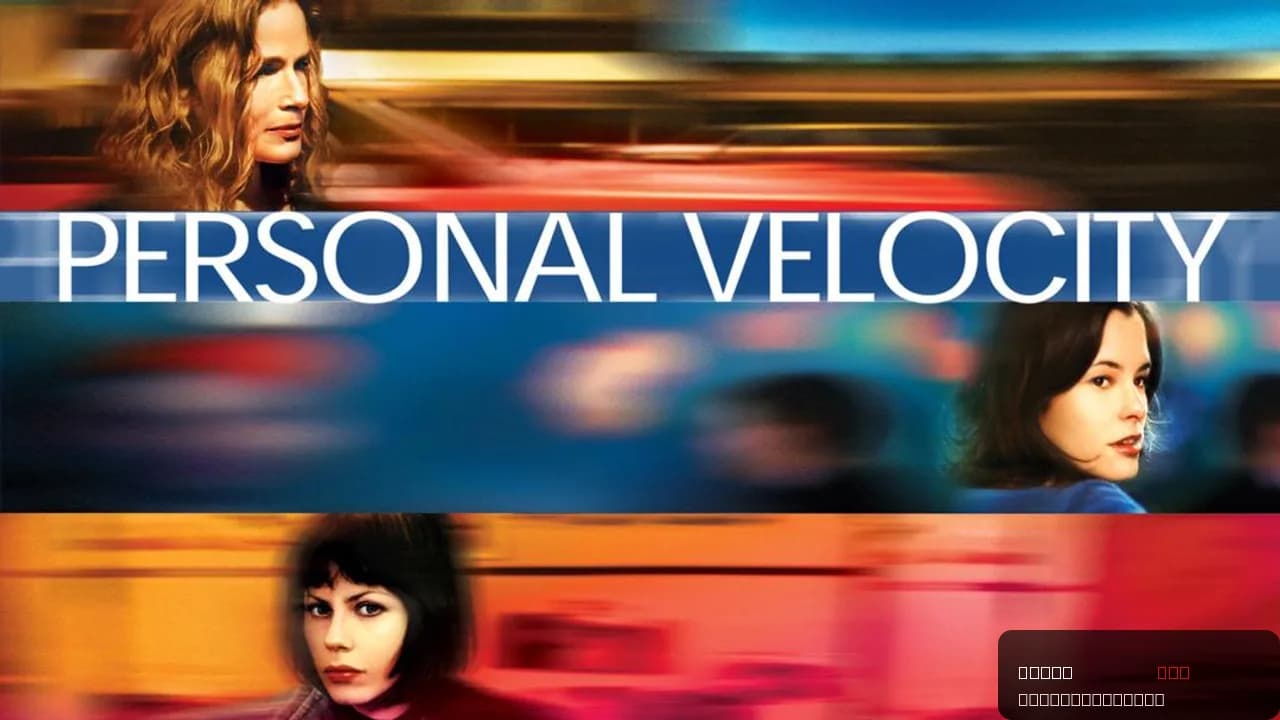
The story of Personal Velocity: Three women escaping their afflicted lives
Personal Velocity tells the interconnected stories of three women who've reached their breaking points. Each one is trapped by a man—a husband, a boyfriend, a father figure—who's drained her autonomy and sense of self. What Miller captures isn't melodrama. Instead, it's the quiet accumulation of small humiliations, the way control operates through habit rather than just violence, the moment when staying becomes impossible. The film moves between their narratives like a triptych, each woman's escape a different shade of the same desperation and hope.
The structure itself matters here. Rather than a linear narrative, Miller weaves three separate but thematically linked portraits, allowing each woman's story to breathe without competing for screen time. That's a bold choice—one that risks losing viewers who want a single throughline—but it's also what makes the film feel honest. Life doesn't resolve in neat arcs. Sometimes it's just three separate people, in three separate moments, finally deciding they're worth more than the life that's been assigned to them.
Behind the making of Personal Velocity: Rebecca Miller's Sundance breakthrough
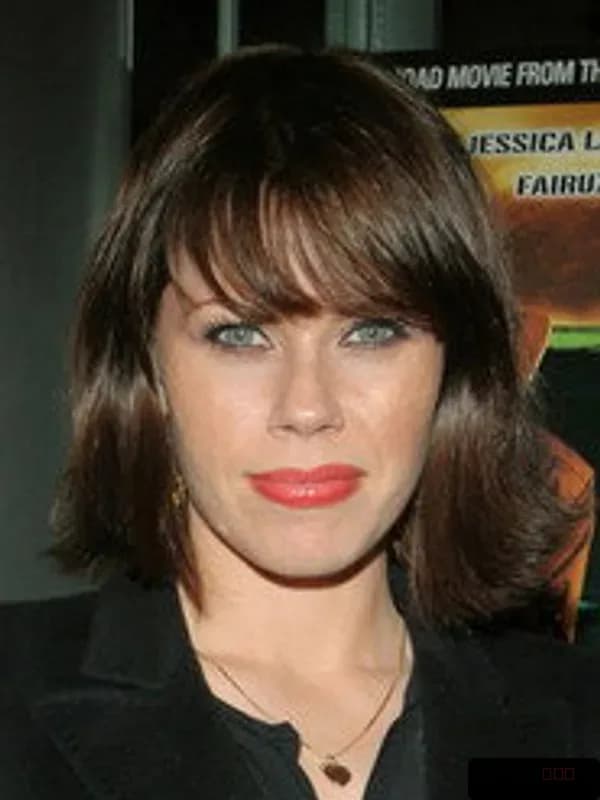
Rebecca Miller wrote and directed Personal Velocity in 2002, and the film became a landmark moment in her career—a Sundance Grand Jury Prize winner that announced her as a major voice in American independent cinema. The cast assembled around her vision was deliberately strong: Kyra Sedgwick, Parker Posey, and Fairuza Balk, three actresses known for their intensity and willingness to inhabit complicated, unglamorous characters. Sedgwick plays Daphne, a suburban mother reaching the end of her rope; Posey is Greta, a volatile woman fleeing a relationship built on lies; Balk inhabits Paula, a younger woman trying to escape her father's shadow.
The supporting ensemble—John Ventimiglia, Ron Leibman, Wallace Shawn, and David Warshofsky—rounds out the world with men who aren't cartoonish villains but rather ordinary people whose ordinariness makes them, in some ways, more damning. Miller's screenplay doesn't ask us to hate them; it asks us to understand how systems of control can feel normal, even inevitable, to those inside them. The film runs 85 minutes, lean and purposeful, shot with a documentary-like intimacy that makes every scene feel eavesdropped-upon rather than performed. Movie OTT tracks where independent films like this find their audience across streaming platforms, and Personal Velocity's journey to digital availability has made it accessible to viewers who might never have caught it in theaters.
What makes Personal Velocity stand out: Three performances that anchor the film
What's striking is how Miller refuses to rank her three heroines by sympathy or likability. Sedgwick's Daphne is a mother, yes, but she's also selfish—she leaves her children behind, which the film doesn't soft-pedal or excuse. Posey's Greta is angry and sometimes cruel, lashing out at people who don't deserve it. Balk's Paula is younger, more naive, and her escape feels less earned than the others'. And yet Miller trusts us to hold all of that complexity at once. These aren't victims waiting to be rescued. They're flawed people making imperfect choices to reclaim their lives.
The performances are spare and unsentimental. There's a scene where Sedgwick's character sits in a car, engine running, and you can see the entire weight of her decision on her face—no music swell, no dramatic pause, just a woman deciding. That's the film's register throughout. It doesn't ask for tears; it asks for recognition. Critics and festival audiences responded to that honesty. The film's IMDb rating of 6.2/10 reflects a certain divisiveness—some viewers find it too bleak, too slow, too unwilling to offer cathartic resolution—but that resistance is partly the point. Miller's interested in the texture of entrapment and the terror of freedom, not in neat redemption arcs.
I keep coming back to how the film treats its male characters. They're not monsters. They're men who believe they're entitled to shape the women around them, and the film suggests that entitlement is the real problem—not cruelty, but assumption. That's a subtler argument than a lot of films want to make, and it's part of why Personal Velocity has aged well. It's not about a particular era or a particular kind of abuse. It's about the baseline ways power gets exercised in intimate relationships.
Where to stream Personal Velocity online
Personal Velocity is currently available on Prime Video, making it accessible to anyone with an Amazon Prime subscription. The film's presence on a major streaming platform means it's no longer relegated to festival archives or specialty video stores—it's there, waiting, for anyone curious about early-2000s independent cinema or interested in Miller's body of work. If you're browsing Movie OTT, you'll find the Where to Watch widget at the top of this page showing current availability, which we update regularly as streaming rights shift. At 85 minutes, it's also a film that doesn't demand a huge time commitment, which makes it perfect for a weeknight watch when you want something that'll stick with you.
Frequently asked questions
Q: Who directed Personal Velocity?
Rebecca Miller wrote and directed Personal Velocity in 2002. It became her breakthrough feature and won the Grand Jury Prize at the Sundance Film Festival.
Q: What is the runtime of Personal Velocity?
The film runs 85 minutes, a lean runtime that Miller uses to keep the narrative focused and the emotional impact sharp.
Q: Is Personal Velocity based on a true story?
No, Personal Velocity is an original screenplay written by Rebecca Miller. While the stories feel intimate and lived-in, they're fictional portraits rather than adaptations of real events.
Q: Where can I watch Personal Velocity?
Personal Velocity is currently streaming on Prime Video. Check the Where to Watch widget at the top of this page for current availability and any platform updates.
Q: Who stars in Personal Velocity?
The film features Kyra Sedgwick, Parker Posey, and Fairuza Balk in the three leading roles, with supporting performances by John Ventimiglia, Ron Leibman, Wallace Shawn, and David Warshofsky.
Final thoughts on Personal Velocity
Personal Velocity isn't a feel-good movie. It's not even a movie that wraps things up neatly. But that's exactly why it matters. Rebecca Miller made a film about women claiming agency in a world that's designed to deny it to them, and she did it without sentimentality, without easy answers, without asking us to forgive the men or celebrate the women. She just showed us three lives in crisis and trusted us to understand. That kind of restraint, that faith in the audience, is rare. If you're looking for something challenging and honest on a streaming platform, Personal Velocity deserves your time.