

The Story of Philadelphia
Philadelphia tells the story of Andrew Beckett, a rising star attorney at a prestigious Philadelphia law firm who finds himself suddenly fired — ostensibly for incompetence on a major case, but really because his employers discovered he's gay and living with AIDS. Rather than disappear quietly, Beckett seeks out Joe Miller, a personal injury lawyer with a reputation for taking on lost causes and an admitted homophobic streak. What unfolds is a courtroom battle that forces both men to confront their deepest prejudices while fighting against institutional discrimination and the ticking clock of Beckett's deteriorating health. It's a film that doesn't shy away from the physical and emotional toll of the disease, nor does it let the legal system off the hook for its complicity in workplace discrimination.
The narrative structure is deceptively simple — we're in familiar legal-drama territory with depositions, evidence gathering, and courtroom theatrics — but Demme uses that familiar framework to smuggle in something far more subversive: a direct challenge to how mainstream America was ignoring, stigmatizing, and actively harming people living with HIV and AIDS in the early 1990s. The film refuses easy sentiment. It's uncomfortable. It's angry. And it doesn't pretend that one lawsuit fixes systemic homophobia.
Behind the Making of Philadelphia
Jonathan Demme directed and produced Philadelphia from a screenplay by Ron Nyswaner, and the film was shot on location in its namesake city — a choice that grounds the story in real streets and real institutions rather than generic courthouse sets. Released in December 1993, the film became a commercial success, grossing $77.4 million worldwide, a remarkable figure for a serious drama tackling AIDS and homophobia when mainstream audiences were still deeply uncomfortable with both subjects.
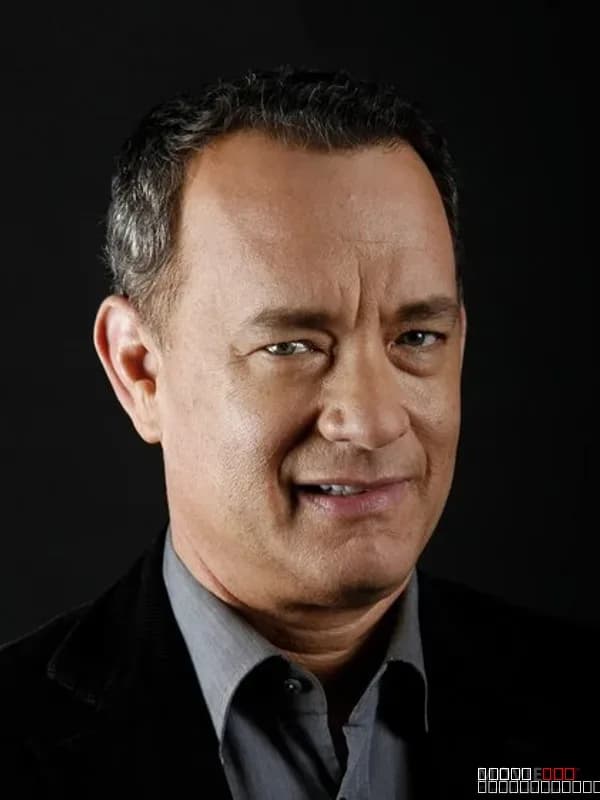
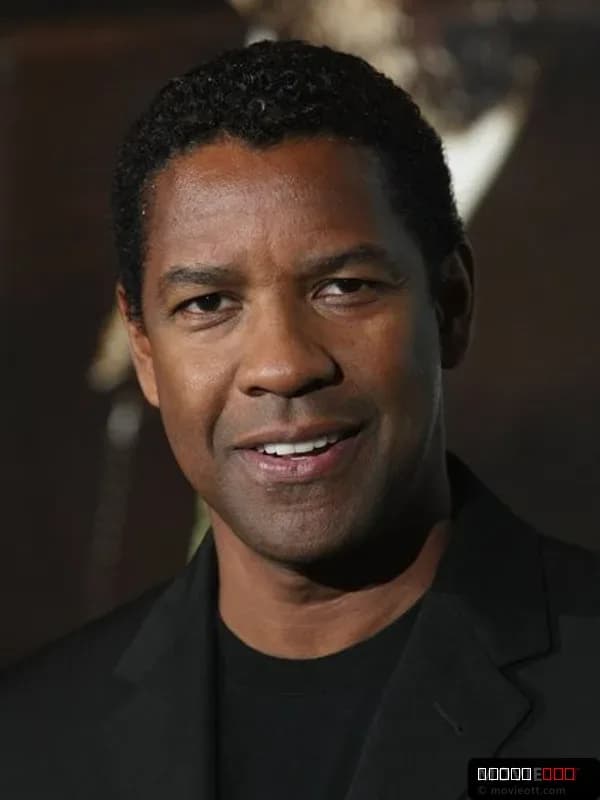
The cast assembled around Tom Hanks and Denzel Washington included Jason Robards as the judge, Mary Steenburgen as Beckett's mother, Antonio Banderas as Beckett's partner Miguel, and Ron Vawter in a pivotal supporting role. Hanks had already proven his range in dramatic roles, but Philadelphia gave him the space to anchor a film about a character facing mortality — he's visibly wasting away on screen, a choice that was controversial at the time but remains visceral and necessary to the film's impact. Washington, meanwhile, brought a gruff authenticity to Miller, a man who has to actively work against his own biases to do the right thing. That's harder, in some ways, than playing a character who's always been enlightened.
The film earned widespread recognition, winning two Academy Awards (Best Original Song for Neil Young's "Philadelphia" and Best Actor for Hanks) and receiving 21 wins and 23 nominations across all major awards bodies. The Metascore sits at 66, while Rotten Tomatoes certified it Fresh at 81%, reflecting solid critical approval even if some reviewers felt the film played it safer than it might have. It's rated PG-13, a decision that allowed the film to reach a broader audience — something Demme clearly saw as part of the mission.
What Makes Philadelphia Stand Out
What's striking about Philadelphia, even three decades later, is how it refuses to let anyone off the hook — not the law firm, not the legal system, not even the audience. The courtroom scenes are genuinely tense, not because of legal maneuvering but because of what's being asked of the jury: to look at a dying man and recognize his humanity when their culture has been telling them to look away.
Hanks delivers one of his finest performances, and I keep coming back to a scene where he's explaining to Miller what it's like to have his medical records exposed in court, to have his body and his private life become evidence. There's no melodrama in it — just a man describing humiliation with quiet precision. That restraint is what makes it devastating. Washington, too, finds layers in Miller that could've been played as a simple arc (prejudiced man learns tolerance) but instead becomes something more complicated: a man struggling with his own discomfort while trying to do right by his client. Their courtroom dance — Beckett coaching Miller on how to talk about homosexuality without flinching, Miller learning to say "partner" without it feeling like a foreign word — is the real drama of the film.
One reviewer noted that the film's big moments sometimes struggle to live up to their potential, and there's truth to that — some of the courtroom speeches feel a touch overwrought by modern standards. But the small moments, the character work, the way Demme frames Beckett's apartment with his partner, the way he shoots the law firm offices as cold and sterile: that's where the film's power lies. It's not trying to be a crowd-pleaser. It's trying to change minds.
Where to Stream Philadelphia Online
Philadelphia is currently available on Prime Video, making it accessible to millions of subscribers. You can check the "Where to Watch" widget at the top of this page to confirm current availability on your preferred platform, as streaming rights shift regularly. Movie OTT tracks these changes across all major services, so you'll always know where your favorite films are streaming. If you're planning a rewatch or discovering the film for the first time, Prime Video is your destination right now — no need to hunt through multiple platforms.
Frequently asked questions
Q: Who directed Philadelphia and when was it released?
Jonathan Demme directed Philadelphia, which premiered in December 1993. The film was shot on location in Philadelphia, Pennsylvania, and marked a significant moment for mainstream American cinema in addressing AIDS and homophobia directly.
Q: Did Philadelphia win any awards?
Yes. Philadelphia won two Academy Awards — Best Original Song (Neil Young's "Philadelphia") and Best Actor for Tom Hanks. The film received 21 wins and 23 nominations across major awards ceremonies, making it one of the most recognized films of the 1990s.
Q: What is Philadelphia's runtime and rating?
Philadelphia runs 115 minutes and is rated PG-13, allowing it to reach a broad audience while maintaining its serious, adult themes about AIDS, homophobia, and workplace discrimination.
Q: Is Philadelphia based on a true story?
While Philadelphia is a fictional narrative written by Ron Nyswaner, it was inspired by real cases of workplace discrimination against people with AIDS during the early 1990s. The film captures the legal and social reality of that era without being a direct adaptation of a single true story.
Q: Where can I watch Philadelphia right now?
Philadelphia is currently available on Prime Video. Check the streaming widget above for the most up-to-date platform availability, as licensing agreements change frequently.
Final Thoughts on Philadelphia
Philadelphia remains essential viewing — not because it's a perfect film (it isn't), but because it represents a moment when mainstream cinema decided to look directly at a crisis and a community that had been largely invisible. It's a legal drama that's really about dignity, about the right to be seen and treated as fully human. Thirty years later, when we can stream it instantly and watch it alone in our homes, it's easy to forget how radical that choice was. Hanks and Washington make you feel the weight of it anyway. If you haven't seen it, now's the time. If you have, it's worth revisiting.