The story of Pieces of a Woman and its unflinching look at loss
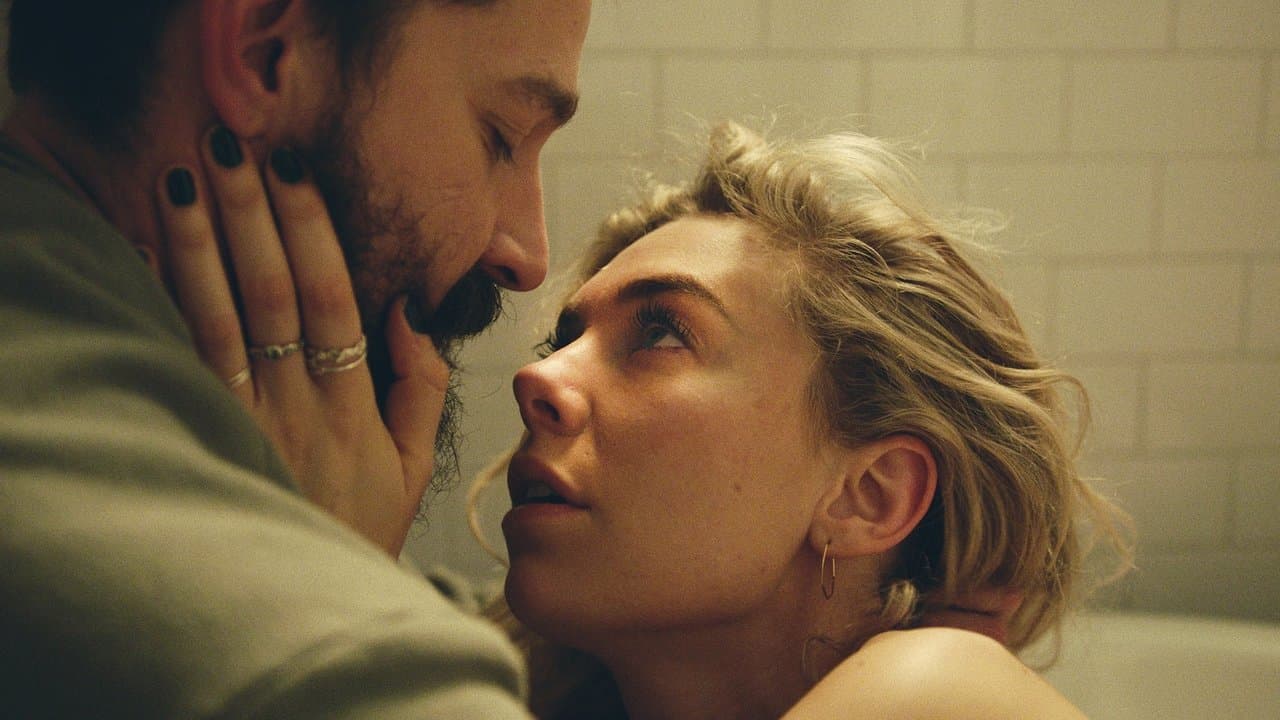
Pieces of a Woman tells the story of Martha, a young mother living in Boston whose planned home birth becomes a catastrophic event that shatters everything she thought she knew about her life, her relationships, and her capacity to endure. The film doesn't shy away from showing the raw mechanics of what happens — the opening sequence is a grueling, intimate 23-minute take that puts you directly into the delivery room with Martha and her partner Sean, their midwife Eva hovering nearby. When tragedy strikes, the narrative doesn't offer easy answers or neat resolution. Instead, it follows Martha through a full year of mourning, watching as grief ripples outward, damaging her marriage, fracturing her relationship with her controlling mother Elizabeth, and forcing her to confront a legal system that demands someone be held responsible for what was, in many ways, a terrible accident. It's a film about the impossibility of moving forward while also having no choice but to do exactly that.
Behind the making of Pieces of a Woman and its acclaimed ensemble cast
Director Kornél Mundruczó brought his distinctive visual language to this deeply personal project, working from a screenplay by Kata Wéber that doesn't feel like typical awards-season material—there's too much anger and contradiction in it for that. The film was produced by Bron Studios, Little Lamb Productions, Proton Cinema, and Creative Wealth Media Finance, with Martin Scorsese and Sam Levinson serving as executive producers, a pedigree that signals the ambition behind the work. Howard Shore, the composer behind The Lord of the Rings and The Silence of the Lambs, scored the film with a sparse, haunting approach that never overwhelms the human drama at its center.
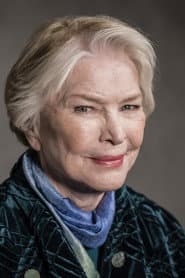
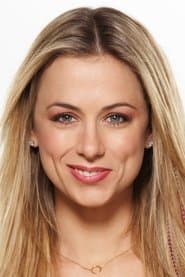
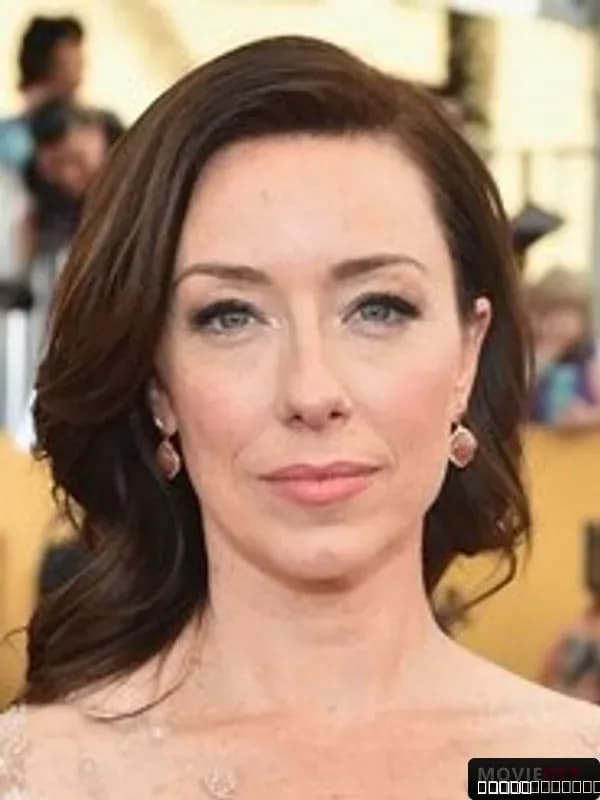
The ensemble cast is genuinely stacked. Vanessa Kirby, best known for her work in The Crown and the Mission: Impossible films, carries the film as Martha—a role that earned her an Oscar nomination and cemented her as one of the most compelling actors working today. Shia LaBeouf plays Sean with a vulnerability that's hard to look away from (though his personal controversies have overshadowed the film's reception). Ellen Burstyn, at 85, is formidable as Martha's mother Elizabeth, a woman whose grief expresses itself as blame and control. Molly Parker brings quiet complexity to Eva, the midwife caught in the center of everyone's rage, while Sarah Snook, Benny Safdie, and Iliza Shlesinger round out a cast that feels lived-in and real. The film earned 10 wins and 64 nominations across major awards bodies, with its Oscar nomination reflecting the industry's recognition of Kirby's performance in particular. It holds a 76% on Rotten Tomatoes, a 66 Metascore, and a 7/10 on IMDb across nearly 59,000 votes—solid critical and audience approval for a film this emotionally demanding.
What makes Pieces of a Woman stand out as a portrait of grief
What's striking about Pieces of a Woman is how it refuses to be comforting. This isn't a film that believes grief has five stages or that time heals all wounds in any neat way. Instead, it shows Martha existing in a state of profound disconnection—from her husband, from her mother, from the world that keeps insisting she "move on" as if that phrase means anything when you've lost a child. The 23-minute opening sequence is brutal partly because it doesn't signal what's about to happen; you're lulled into the relative normalcy of a home birth, the gentle professionalism of Eva, the nervous excitement of Sean and Martha, and then everything changes in a moment that feels both sudden and, in retrospect, inevitable.
What I keep coming back to is how the film doesn't let anyone off the hook—not Martha for her rage, not Sean for his distance, not Elizabeth for her weaponized grief, not even the legal system that demands a villain when sometimes there just isn't one. The courtroom sequences, which could've been heavy-handed, instead feel like watching someone repeatedly bang their head against a wall looking for answers that don't exist. Kirby's performance captures something that's rarely shown in mainstream cinema: the specific loneliness of being the person who experienced the trauma directly, while everyone around you processes it differently. Her face in quiet moments—sitting alone, staring at nothing—says more than dialogue ever could. The supporting performances matter too. Burstyn's Elizabeth is infuriating and heartbreaking in equal measure, a woman whose own grief has calcified into something sharp and weaponized. Parker's Eva, despite being positioned as the potential villain, is given enough humanity that you can't hate her even when Martha and her family do.
The film's strength lies partly in what it doesn't explain. Hard to say if that's a deliberate choice or just how grief actually works—messy, irrational, refusing neat narrative structure. Viewers looking for a traditional three-act redemption arc will be disappointed. Viewers willing to sit with discomfort and ambiguity will find something more honest than most films dare attempt.
Where to stream Pieces of a Woman online
Pieces of a Woman is available on major OTT services, and you can check the "Where to Watch" widget at the top of this page to see which platforms currently have it in your region. The film's journey to streaming was significant—Netflix acquired the distribution rights, which is partly why it found such a wide audience despite its emotionally punishing subject matter. When you're looking for where to watch Pieces of a Woman, Movie OTT tracks current streaming availability across Netflix, Prime Video, and other major platforms, so you don't have to hunt across multiple sites. The film's availability does shift by region and season, so checking that widget before you settle in is worth a minute of your time.
Frequently asked questions
Q: Who directed Pieces of a Woman?
Kornél Mundruczó directed the film from a screenplay by Kata Wéber. Mundruczó is known for his visually distinctive and emotionally intense work, and his direction here is restrained in a way that lets the performances do the heavy lifting.
Q: Is Pieces of a Woman based on a true story?
The film isn't based on a specific true story, though it draws on real experiences and fears around home birth and the legal aftermath of medical tragedy. Kata Wéber's screenplay comes from a deeply personal place, though the specific characters and narrative are fictional.
Q: Why is the opening scene so long?
The 23-minute opening take is intentional—it immerses you in the experience of the birth without cutting away, building a false sense of normalcy before the tragedy. This stylistic choice makes the shift in the film's tone more jarring and emotionally impactful.
Q: What's the MPAA rating for Pieces of a Woman?
Pieces of a Woman is rated R for language and some sexual content. The rating doesn't capture the film's real intensity, which is emotional rather than graphic.
Q: Did Pieces of a Woman win any major awards?
Vanessa Kirby was nominated for an Academy Award for Best Actress, and the film earned 10 wins and 64 nominations across major awards ceremonies. While it didn't take home the Oscar, its recognition across the industry reflects the quality of the performances and the film's artistic ambition.
Final thoughts on Pieces of a Woman
If you're in the mood for something challenging and beautifully acted, Pieces of a Woman is worth your time—just go in knowing it won't leave you feeling uplifted or resolved. This is cinema about the specific, grinding work of learning to live alongside loss rather than moving past it. Kirby's performance alone justifies the runtime, and the film's refusal to offer easy answers feels increasingly rare in mainstream drama. Not every film needs to comfort you. Some just need to tell the truth.