

The Story of Platoon: A Soldier's Descent into Moral Chaos
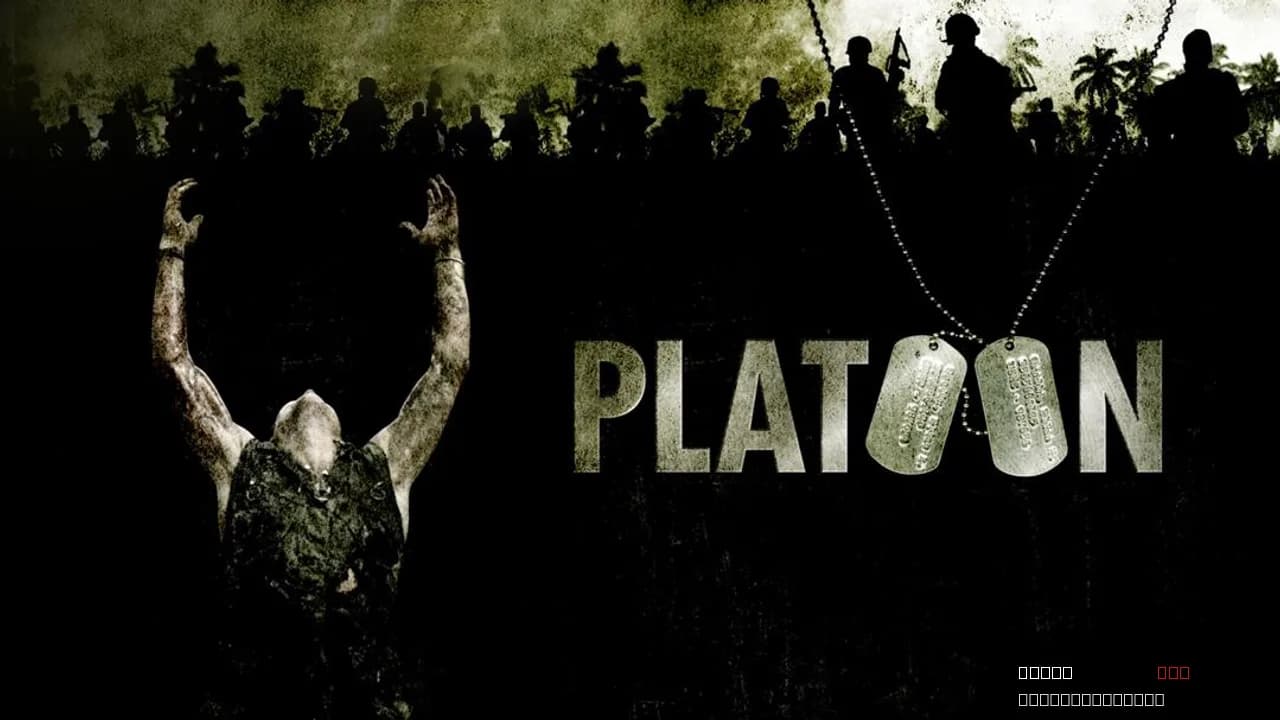
Platoon follows Chris Taylor, a young, idealistic American volunteer who arrives in South Vietnam with little more than naïveté and a sense of duty. What he encounters isn't the clean narrative of good versus evil he'd imagined back home—it's something far messier, far darker. Within his own platoon, two powerful figures wage a quiet war over the soul of the unit: Sergeant Barnes, a hardened veteran with a trigger-happy philosophy, and Sergeant Elias, a more humane soldier who questions the very nature of the conflict they're fighting. Caught between them, Taylor must navigate not just an elusive enemy in the jungle, but the moral corruption festering within his own ranks. The 119-minute runtime doesn't feel long; it feels like a tour of duty compressed into a fever dream.
Behind the Making of Platoon: Oliver Stone's Vietnam Testament
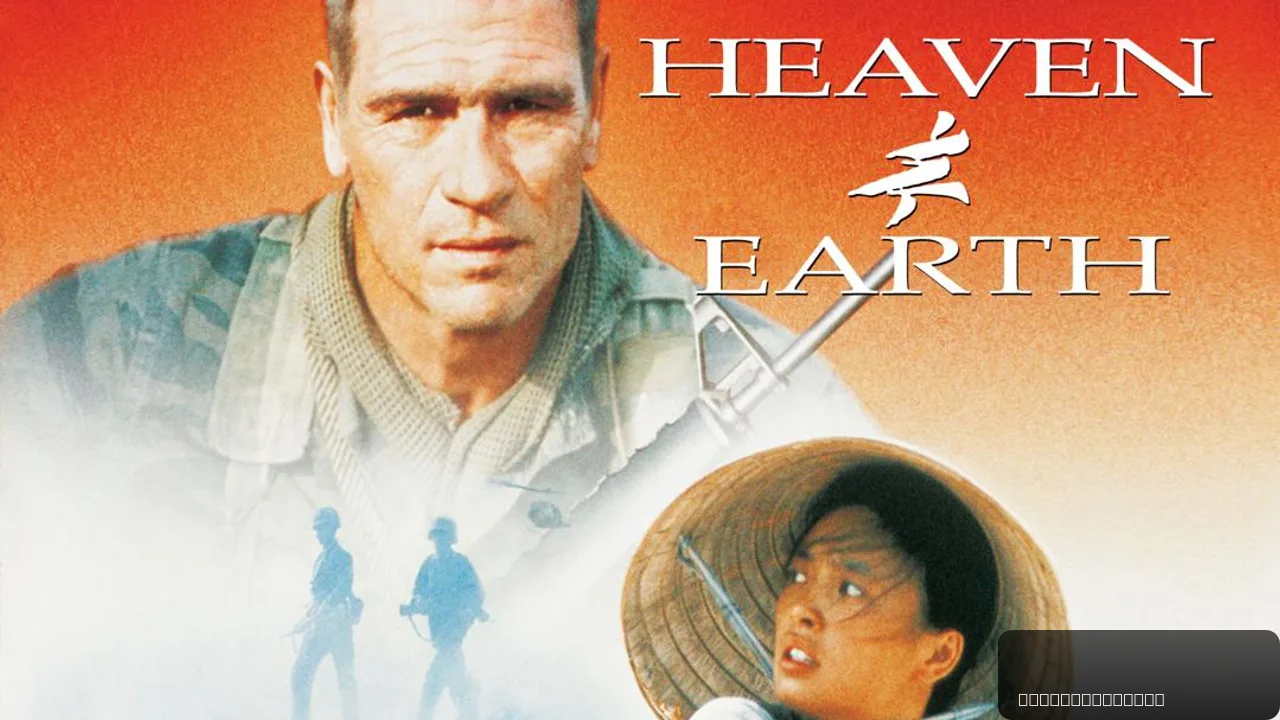
Oliver Stone didn't just direct Platoon—he lived it. The film is rooted in Stone's own experiences as a soldier in Vietnam, a biographical foundation that bleeds authenticity into every frame. Released in 1986, Platoon became Stone's breakthrough feature and the first installment of his Vietnam trilogy, followed by Born on the Fourth of July (1989) and Heaven & Earth (1993). The production itself was a careful orchestration: military adviser Captain Dale Dye, who'd become a fixture on virtually every major war film since, trained the cast extensively to move, speak, and think like soldiers. That attention to detail shows.
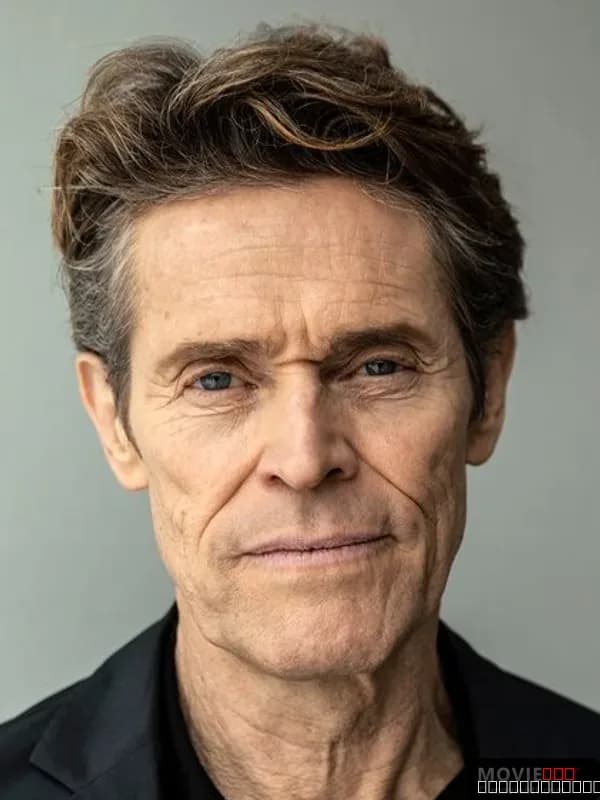
The ensemble cast was deliberately chosen to balance established names with relative unknowns. Tom Berenger and Willem Dafoe anchor the film as the two sergeants locked in philosophical opposition, while Charlie Sheen, then best known for television work, carries the film as the moral center. The supporting cast—Forest Whitaker, Kevin Dillon, Keith David, and a young Johnny Depp in a smaller role—adds texture and weight. Platoon earned over $140 million worldwide, a substantial sum for a downbeat war drama, and won four Academy Awards including Best Picture and Best Director. The MPAA rated it R for language and graphic war violence, a rating that felt both necessary and earned.
What Makes Platoon Stand Out: Performance, Craft, and Unflinching Honesty
What's striking about Platoon is how it refuses to mythologize war or offer easy answers. The film doesn't celebrate heroism in the traditional sense; instead, it shows you how quickly moral lines blur when survival is at stake. Tom Berenger's Sergeant Barnes isn't a cartoon villain—he's a man who's been broken by the war and has chosen to break others. Willem Dafoe's Sergeant Elias isn't a saint, either; he's just trying to hold onto his humanity in an inhuman situation. That moral ambiguity is the film's greatest strength. You can't simply pick sides and feel good about it. The thing nobody mentions is how quiet the film gets in its most devastating moments—there's a scene where Taylor witnesses something so horrible that the camera just holds on his face, and no score swells, no dramatic music tells you how to feel. That restraint is more powerful than any bombast could be.
Charlie Sheen's performance as the audience surrogate is deliberately unpolished. He doesn't flash movie-star charisma; he looks confused, scared, and gradually hollowed out by what he's seeing. Forest Whitaker brings a spiritual dimension to his role that contrasts sharply with the brutality around him. The cinematography captures the jungle as both beautiful and suffocating—you can almost feel the humidity and the weight of the vegetation closing in. Stone's direction doesn't shy away from the grotesque realities of combat, but he's also interested in the small moments of camaraderie, the dark humor soldiers use to cope, the way fear and boredom alternate in combat zones. Critics have consistently praised the film's authenticity; Variety reported at the time that Vietnam veterans found it to be the most realistic depiction of their experience to date.
Where to Stream Platoon Online
If you're ready to experience Platoon, it's currently available on Prime Video. Movie OTT tracks streaming availability across all major platforms, so you can check the Where to Watch widget at the top of this page to confirm current access and any rental or subscription requirements. Since streaming catalogs shift frequently, that widget will always show you the most up-to-date information on where you can watch this essential war film. Whether you're a longtime admirer returning for another viewing or discovering it for the first time, the platform information is right there—no hunting required.
Frequently Asked Questions
Q: Who directed Platoon and is it based on a true story?
Oliver Stone both wrote and directed Platoon, and yes—it's rooted in his own experiences as a soldier in Vietnam. While the characters and specific events are fictional, the emotional and moral landscape of the film comes directly from Stone's tour of duty.
Q: What are the main themes of Platoon?
Platoon explores the corruption of morality in war, the clash between different philosophies of combat, and the loss of innocence. It's fundamentally anti-war—not in a preachy way, but by showing you the cost of conflict on the individual soldier's conscience.
Q: How long is Platoon and what's the MPAA rating?
The film runs 119 minutes and is rated R for language and graphic war violence. It's a commitment in length and intensity, but neither feels wasted.
Q: Is Platoon the first Vietnam War film Oliver Stone directed?
Yes, Platoon (1986) is the first of Stone's Vietnam trilogy. He followed it with Born on the Fourth of July in 1989 and Heaven & Earth in 1993, creating a comprehensive cinematic exploration of the war from different perspectives.
Q: What awards did Platoon win?
Platoon won four Academy Awards, including Best Picture and Best Director for Oliver Stone. It was also nominated for several others and won numerous international film awards, cementing its status as one of the greatest war films ever made.
Final Thoughts: Why Platoon Still Matters
Thirty-seven years later, Platoon hasn't dated. It doesn't rely on special effects or modern cinematography tricks—it relies on performance, moral clarity, and the willingness to sit with discomfort. The film's refusal to offer heroes or villains, only human beings making impossible choices in impossible circumstances, feels more relevant now than ever. If you haven't seen it, don't wait. It's a masterclass in filmmaking and a necessary reckoning with one of America's darkest chapters.