The story of Pluto's Party and its chaotic celebration
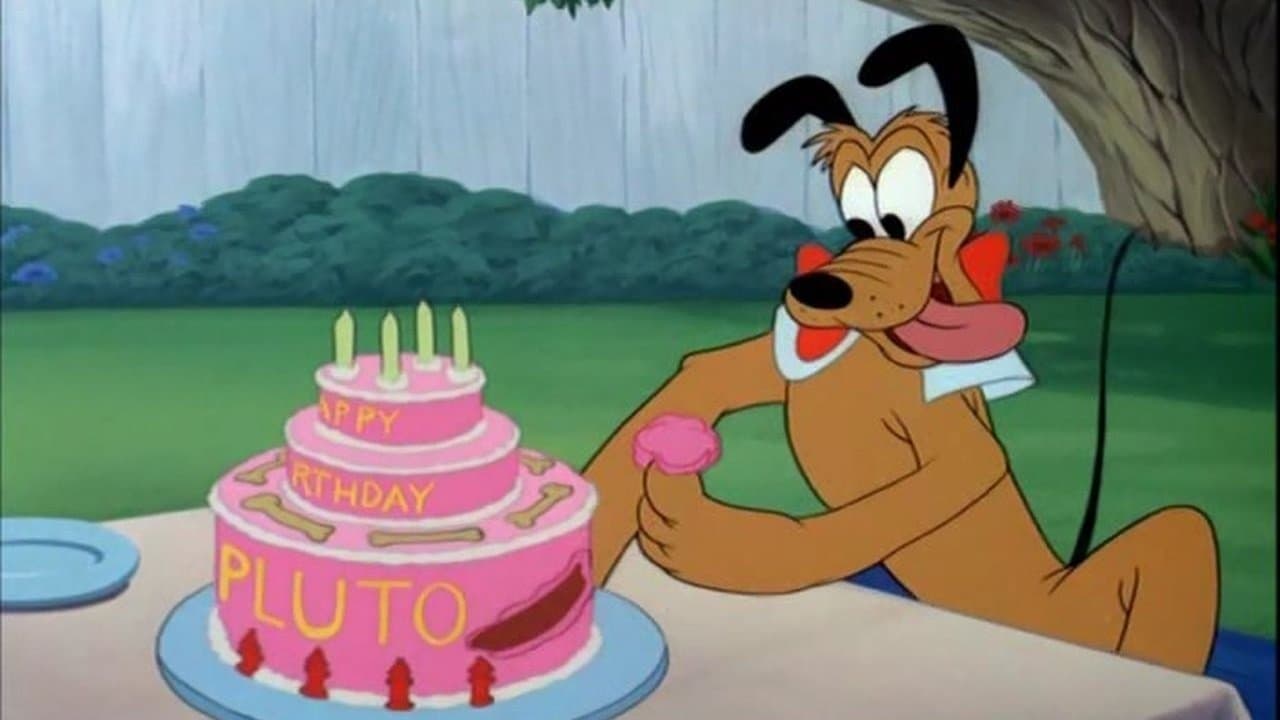
Pluto's Party opens with the kind of simple, perfect premise that Disney animators understood instinctively: it's Pluto's birthday, Mickey's throwing him a party, and everything that can go wrong absolutely will. What starts as an intimate celebration quickly devolves into controlled pandemonium when a dozen or so of Mickey's nephews show up with a wagon as a gift—ostensibly so Pluto can pull them around. The short doesn't waste time with exposition. Within seconds, you're watching the birthday boy get tangled up in the logistics of his own party, watching the other kids monopolize the festivities, and waiting to see if he'll ever actually get that birthday cake he's been promised. It's a premise you could pitch in one sentence, and that economy of storytelling is exactly why it works.
Behind the making of Pluto's Party in 1952
Pluto's Party premiered on September 19, 1952, as the 124th short in the Mickey Mouse film series and marked the first theatrical release of that year for the franchise. Released by RKO Radio Pictures, the seven-minute short was a product of Walt Disney Productions at a moment when the studio was still cranking out theatrical shorts alongside its growing feature-film ambitions. By 1952, the Disney animation department had refined its craft to a near-science—the timing of gags, the fluidity of character movement, the way a single frame could telegraph emotion before a line of dialogue landed. The short's runtime of just seven minutes meant every second counted; there's no fat here, no scene that doesn't either advance the gag or set up the next one. The voice work and physical comedy were handled by Disney's seasoned team, though what's striking is how little dialogue the short actually needs. Pluto doesn't speak—he's all expressions, yelps, and exasperated body language—which meant the animators carried the entire emotional weight of the piece through movement alone. That's a skill that takes years to develop, and it shows.
What makes Pluto's Party stand out as 1950s animation
Why does Pluto's Party still hold up? I think it comes down to something fundamental about how the short understands chaos. The nephews aren't villains; they're just kids being kids, which makes their obliviousness to Pluto's suffering feel both funnier and more sympathetic than if they were deliberately mean-spirited. There's a real tension running through the piece—Pluto genuinely wants to have a good time at his own party, but he keeps getting sidelined, and the accumulation of small humiliations builds to something genuinely poignant by the end. The "Pin the Tail on Pluto" sequence is a masterclass in physical comedy: imagine the indignity of having actual children pin things to your actual body while you're blindfolded. It shouldn't work, and yet it does, because the animators commit to the bit completely. What's remarkable is that underneath all the slapstick, there's a quiet acknowledgment that sometimes the person the party's supposed to be for doesn't get to enjoy it—and that's just how these things go sometimes. That bittersweet undercurrent, mixed with genuine laugh-out-loud moments, is what separates good animation from great animation. As Movie OTT tracks across its database, shorts like this one reveal how much craft went into even the most seemingly disposable entertainment of the era.
Where to stream Pluto's Party online
Pluto's Party is available on major OTT services, and you can find the exact platforms currently carrying it using the "Where to Watch" widget at the top of this page. Movie OTT's streaming aggregator keeps that information updated in real time, so you won't waste time hunting through multiple apps wondering where this classic ended up. Since it's a seven-minute short, it's the kind of thing you can slot into almost any evening—a perfect palate cleanser between heavier viewing, or a nostalgic hit if you're revisiting the Disney canon. The short's brevity actually works in its favor for modern streaming: it's long enough to feel substantial but short enough that you can rewatch it without a major time commitment, which means you'll probably catch jokes you missed the first time around.
Frequently asked questions
Q: Who directed Pluto's Party?
The short was produced by Walt Disney Productions as part of the Mickey Mouse theatrical series. While specific directorial credits for shorts from this era can be murky, the film represents the collaborative animation work that Disney's studio was known for in the early 1950s.
Q: How long is Pluto's Party?
The short runs exactly seven minutes, making it a quick but packed little piece of animation that doesn't overstay its welcome.
Q: Is Pluto's Party based on a true story?
No—it's a fictional comedy short. The premise is pure Disney imagination: a birthday party that spirals into slapstick chaos, with no real-world events behind it.
Q: What year was Pluto's Party released?
Pluto's Party premiered on September 19, 1952, and was the first Mickey Mouse theatrical short released that year.
Q: Where can I watch Pluto's Party right now?
Check the "Where to Watch" widget at the top of this page for current availability across streaming platforms. Movie OTT keeps those listings up to date as licensing changes.
Final thoughts on Pluto's Party
Pluto's Party is a small film that proves you don't need elaborate plot machinery or emotional manipulation to make something memorable. It's just a dog, a birthday, and everything going sideways—but it's executed with such confidence and warmth that you can't help but root for Pluto even as you're laughing at his misfortune. The short reminds us why Disney's theatrical shorts mattered, and why they still do. If you haven't seen it in a while, it's worth revisiting. You'll probably laugh at the same moments you did years ago, and you'll probably catch something new too.