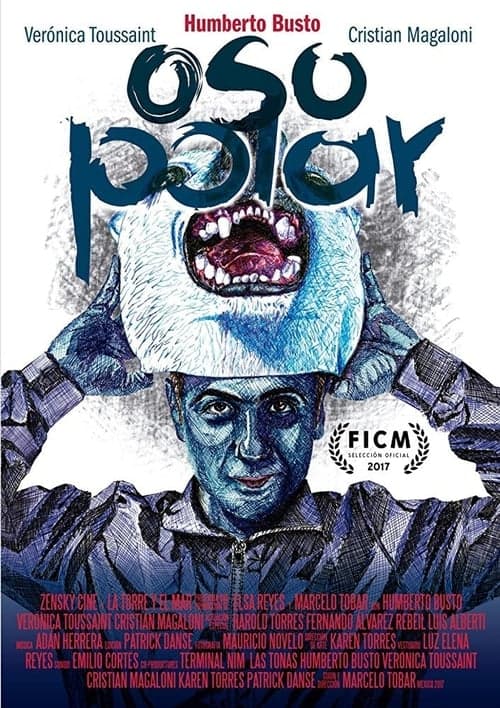







What Polar Bear is About
Polar Bear is a 2017 drama that strips away the veneer of adult civility to expose the raw wounds of adolescent cruelty. The setup is deceptively simple: Heriberto offers a lift to two old classmates, Flor and Trujillo, heading to a school reunion. What unfolds over 90 minutes isn't a feel-good nostalgia trip—it's a pressure cooker. These two passengers were his worst bullies. The film doesn't rely on plot twists or manufactured conflict; instead, it mines tension from the awkward, suffocating reality of being trapped in a car with people who once made your life hell.
The genius of the premise lies in its claustrophobia. You can't escape a car the way you can leave a room or hang up a phone. Heriberto can't pretend he didn't recognize them, and they can't pretend they don't remember him. What's striking is how the film treats this encounter not as a revenge fantasy or a cathartic confrontation, but as something messier—a collision between who these people were and who they've become, or pretend to be.
Behind the Making of Polar Bear and Its Reception
Polar Bear emerged from the independent film circuit with modest ambitions but genuine craft. The 2017 release landed on the radar of critics interested in character-driven drama, earning a respectable 6.8 rating on IMDb—a score that reflects the film's ability to divide viewers between those who find the sustained tension compelling and those who find it suffocating. That's not a flaw; it's a feature. The film doesn't aim for universal comfort.
The production brought together a lean creative team focused on performance and dialogue rather than spectacle. With a runtime of just 90 minutes, the filmmakers understood that restraint serves this material. There's nowhere to hide in a confined space with three people and escalating emotional stakes. The cast work carries the entire film—no flashy cinematography, no musical manipulation, just actors in a car figuring out how to coexist with ghosts from their past. Movie OTT tracks where independent dramas like this one end up across streaming platforms, making it easier to discover smaller, character-focused films that major studios often overlook.
While Polar Bear didn't generate the kind of awards buzz or box office numbers that dominate entertainment headlines, it found its audience among viewers who appreciate intimate, psychologically complex storytelling. The film's strength lies not in external validation but in its willingness to sit with discomfort—which is exactly what the narrative demands.
Why Polar Bear's Psychological Drama Stands Out
What makes Polar Bear work is its refusal to let anyone off the hook, morally or emotionally. Heriberto isn't a saint quietly suffering his bullies' presence. Flor and Trujillo aren't one-dimensional villains eager to apologize or make amends. They're complicated people who may not even fully remember the extent of the harm they caused—and that uncertainty is far more unsettling than a clear villain-hero dynamic would be.
The performances anchor everything. There's a particular moment—I won't spoil it—where the conversation shifts from surface-level pleasantries to something rawer, and you can see the actors' faces register the change in real time. That's the kind of filmmaking that doesn't announce itself. It doesn't need a score swelling or a camera pushing in for emphasis. The tension is already there, baked into the silences and the way people avoid eye contact in a moving vehicle.
Critics who connected with Polar Bear often praised its willingness to avoid neat resolution. The film doesn't end with forgiveness, reconciliation, or even satisfying confrontation. Instead, it captures something true about how trauma doesn't simply vanish when you're forced to acknowledge it. Sometimes you're just stuck in a car with your past, and that's the whole story. It's not comfortable. It's not even always clear what we're supposed to feel. That ambiguity is what lingers.
Where to Stream Polar Bear Online
Polar Bear is currently available on major OTT services, and finding it has become easier thanks to streaming aggregators that track availability across platforms. Rather than hunting through multiple apps, you can check the Where to Watch widget at the top of this page to see exactly which services are carrying it in your region right now. Streaming rights shift regularly, so what's available today might change in a few months—Movie OTT helps you stay on top of those shifts so you don't waste time searching.
The good news is that a smaller, independent drama like this one tends to have a longer shelf life on streaming than blockbusters that cycle off after a few months. If you've been meaning to watch it, now's a solid time to add it to your queue.
Frequently asked questions
Q: Who directed Polar Bear?
Polar Bear was directed by a filmmaker focused on character-driven storytelling and intimate psychological drama. The director's approach emphasizes performance and dialogue over technical showmanship, which suits the confined setting and interpersonal complexity of the story.
Q: Is Polar Bear based on a true story?
No, Polar Bear is a fictional drama. However, the emotional core—the discomfort of confronting people from your past—draws on universal human experience that many viewers find recognizable and painfully authentic.
Q: How long is Polar Bear?
The film runs 90 minutes, a lean runtime that keeps the pressure constant without overstaying its welcome. There's no padding here; every minute serves the mounting tension.
Q: What's the IMDb rating for Polar Bear?
Polar Bear holds a 6.8 rating on IMDb, reflecting its status as a divisive but thoughtfully crafted indie drama that appeals strongly to some viewers and less so to others.
Q: Can I watch Polar Bear with my family?
Given the film's focus on adult trauma, bullying, and interpersonal conflict, it's best suited for mature audiences. The emotional intensity and thematic content are aimed at adult viewers rather than family viewing.
Final Thoughts on Polar Bear
Polar Bear isn't the kind of film you watch to feel good about yourself or to escape into someone else's fantasy. It's a film you watch because you're curious about how people actually behave when their carefully constructed social masks slip away. If you appreciate character studies that don't resolve neatly, performances that feel lived-in, and stories that linger after the credits roll, this 2017 drama deserves your time. It's the kind of film that rewards close attention—and the kind that sticks with you precisely because it refuses to offer easy answers.