







The Story of Population 436
Population 436 opens with a simple premise that grows increasingly unsettling: a census bureau worker from Chicago (Jeremy Sisto) is dispatched to a remote town in North Dakota to investigate an administrative anomaly. The town of Rockwell Falls has maintained exactly 436 residents for the past 100 years—a statistical impossibility that shouldn't exist in the real world. As the census-taker digs deeper into the town's records and interviews its eerily polite inhabitants, he discovers that something far more sinister than bureaucratic error is keeping the population locked in place. The film unfolds as a slow-burn mystery where every interaction feels slightly off, every smile hiding something darker beneath the surface.
How Population 436 Came Together
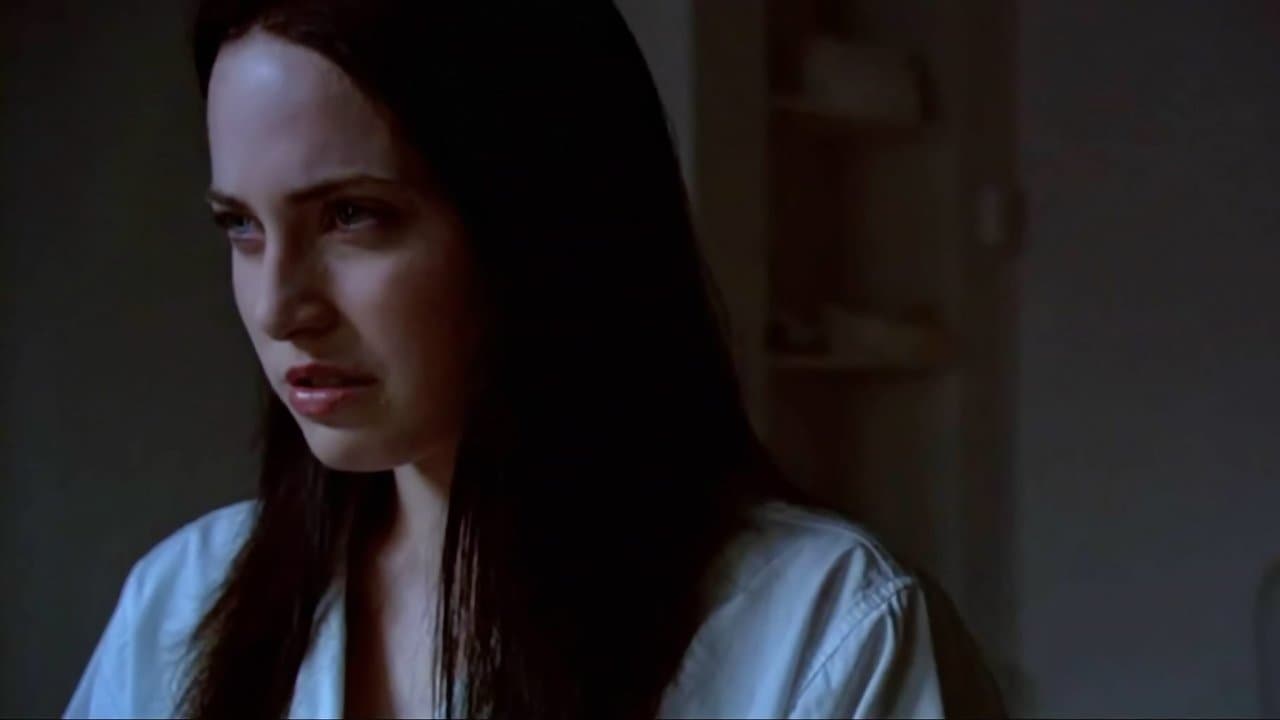
Population 436 was directed by Michelle MacLaren, a filmmaker who'd go on to work extensively in prestige television, bringing that same meticulous attention to character and tension here. The film stars Jeremy Sisto, who carries the picture with the everyman vulnerability required to make the audience's growing dread feel earned. Fred Durst—yes, the Limp Bizkit frontman—plays against type as a local authority figure, while Peter Outerbridge and Charlotte Sullivan round out the ensemble cast of suspicious townsfolk. Shot on location in Steinbach, Manitoba, the production used the historic Mennonite Heritage Village museum as a key setting, which lends the film an authentic, isolated atmosphere that feels genuinely remote and cut off from the outside world. The film was released direct-to-video in 2006, a distribution choice that meant it largely flew under the radar for mainstream audiences—a shame, given the craft on display. Runtime clocks in at 88 minutes, lean and efficient storytelling that doesn't waste a frame.
What Makes Population 436 Stand Out
The thing nobody mentions about Population 436 is that it's genuinely about ideology and control masquerading as community. What's striking is how the film doesn't rely on jump scares or gore to unsettle you—instead, it builds dread through the mundane. A town meeting feels threatening. A potluck dinner becomes sinister. The performances anchor this perfectly; Sisto's growing unease mirrors the audience's own creeping realization that something's profoundly wrong, and the townspeople's relentless niceness becomes its own kind of horror. The film works in the tradition of The Wicker Man (1973), that other masterpiece about outsiders stumbling into closed communities with twisted rules and darker purposes. Like that film, Population 436 suggests that the real horror isn't monsters or gore—it's the systematic dehumanization that happens when a group decides that tradition and control matter more than individual autonomy. Fred Durst's performance is genuinely effective here; he plays authority with a chilling pleasantness that makes you understand how ordinary evil can take root. The cinematography captures the bleakness of a Canadian prairie town in winter, all grey skies and empty roads, which reinforces the isolation that's central to the plot.
Where to Stream Population 436 Online
Population 436 is available on major OTT services, and you can check the Where to Watch widget at the top of this page to see exactly which platforms currently have it in your region. Since streaming availability shifts frequently, Movie OTT tracks current availability across services to save you the hunt. The film's direct-to-video release means it's found a second life on streaming platforms, where it's discovered by viewers looking for smart horror that doesn't insult their intelligence. Whether you're browsing late at night or planning a themed horror marathon, the convenience of streaming means you can access this underrated gem without leaving your couch—though I'd recommend watching with the lights on.
Frequently asked questions
Q: Is Population 436 based on a true story?
No, it's a fictional horror film, though the premise—a town with an impossible demographic constant—is what makes the concept work so effectively. The film uses this impossible scenario to explore themes of control and isolation.
Q: Who directed Population 436?
Michelle MacLaren directed the film. She's since become known for her work in prestige television, bringing cinematic sensibilities to shows like Breaking Bad and Game of Thrones.
Q: What's the runtime of Population 436?
The film runs 88 minutes, a tight runtime that keeps the pacing brisk without sacrificing atmosphere or character development.
Q: Where was Population 436 filmed?
The movie was shot on location in Steinbach, Manitoba, including scenes at the historic Mennonite Heritage Village museum, which gives the film its authentic small-town feel.
Q: Is Population 436 a remake?
No, it's an original screenplay. While it shares thematic DNA with films like The Wicker Man, it's its own story with its own mythology.
Final Thoughts on Population 436
Population 436 deserves more recognition than it's received. It's a smart, atmospheric horror film that trusts its audience to sit with discomfort and think about what's happening beneath the surface. If you're tired of jump-scare horror and want something that lingers—something that makes you question community, tradition, and the price of belonging—this is worth your time. The film won't hold your hand, and it doesn't explain everything away neatly, which is exactly what makes it work.