



The story of Posse from Hell
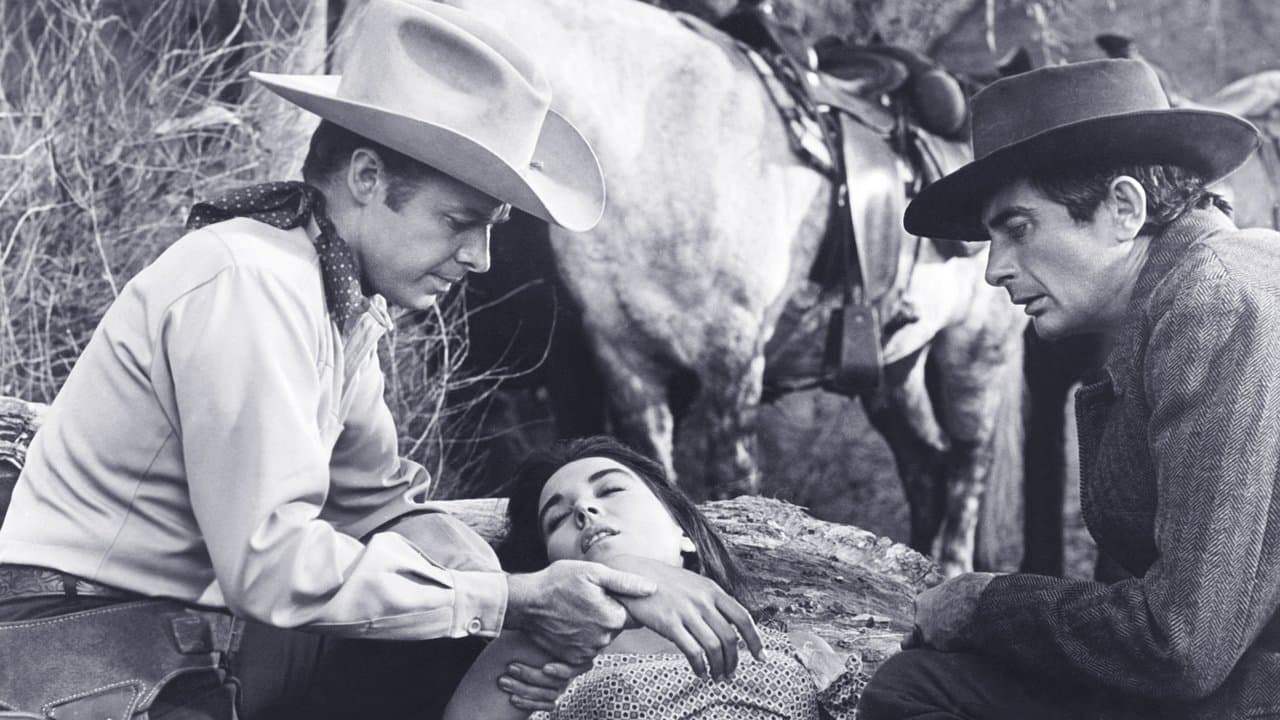
Posse from Hell follows Banner Cole, a steely sheriff's deputy who doesn't hesitate when duty calls. After four death-row escapees kill the sheriff and three other men—and kidnap a woman with violent intent—Cole assembles a small, determined group to track them down. What could've been a straightforward revenge tale becomes something more layered: a meditation on justice, frontier morality, and the men willing to cross lines to protect their community. The 89-minute runtime moves with purpose, never wasting a frame as the posse pursues their quarry across unforgiving landscape. It's the kind of Western that doesn't announce its themes but lets them breathe through action and character.
Behind the making of Posse from Hell
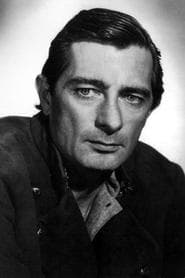
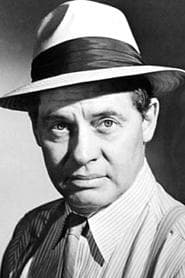
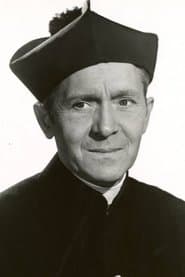
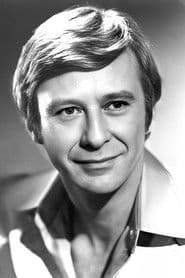
Posse from Hell arrived in 1961 from Universal International Pictures, the studio's answer to the changing Western landscape of the early sixties. Director Herbert Coleman brought a television sensibility to the material—he'd cut his teeth on episodic work—which gives the film a lean, efficient narrative structure. Clair Huffaker adapted his own novel for the screenplay, a smart move that kept the source material's thematic weight intact while streamlining for cinema. The cast carried real weight: Audie Murphy, the decorated war hero turned actor, anchored the picture as Cole, while John Saxon brought intensity and moral ambiguity to his role. Royal Dano, Robert Keith, Rodolfo Acosta, and Vic Morrow rounded out the ensemble—all working actors who understood how to move a scene without unnecessary dialogue. Shot in Eastman Color, the film's visual palette captures the dusty, sun-bleached terrain that becomes almost a character itself. The production values sit squarely in that mid-budget Universal sweet spot: professional craftsmanship without Hollywood excess, which is exactly what the material needed.
What makes Posse from Hell stand out
Here's what strikes me about Posse from Hell: it refuses to make villainy simple or heroism clean. The escapees aren't cardboard cutouts—they're desperate men, and the film doesn't shy away from showing why they're dangerous, which makes them far more interesting than typical Western antagonists. What's genuinely compelling is how the deputy's posse mirrors the criminals in structure if not morality; both groups are bound by loyalty and survival. The performances anchor everything. Murphy carries a quiet, weathered authority—he's not flashy, but you believe he's seen hard things and won't blink at harder ones still. Saxon and Morrow provide counterweight, their characters wrestling with whether vengeance and justice are the same thing, a question the film never quite answers, which is its strength.
The cinematography deserves mention too. The color work—unusual for many Westerns of the era—gives the landscape a kind of bleached, almost hostile beauty that mirrors the moral landscape the characters inhabit. There's a sequence where the posse tracks the escapees through rocky terrain, and the way Coleman stages it, you feel the heat, the desperation, the narrowing options on both sides. Audiences who discovered Posse from Hell over the decades have consistently noted that it's more thoughtful than its pulp premise suggests, which says something about how the filmmakers trusted their material and their audience's intelligence.
Where to stream Posse from Hell online
Posse from Hell is currently available on major OTT services—you can check the "Where to Watch" widget at the top of this page to see exactly which platforms carry it in your region. Movie OTT tracks streaming availability across services in real time, so you'll always know where to find it without hunting through multiple apps. Whether you're a Western completist or someone stumbling onto this gem by accident, the good news is it's accessible. The film's lean runtime makes it a perfect evening watch, and the thematic depth means it rewards a second viewing once you've caught the ending.
Frequently asked questions
Q: Who directed Posse from Hell?
Herbert Coleman directed the film. Coleman was known for his television work, which shows in the efficient, dialogue-light storytelling that keeps the narrative moving at a steady pace throughout the 89-minute runtime.
Q: Is Posse from Hell based on a true story?
No, it's based on a novel by Clair Huffaker, who also wrote the screenplay. Huffaker adapted his own work for the screen, preserving the story's thematic complexity while tailoring it for cinema.
Q: What's the IMDb rating for Posse from Hell?
The film holds a 6.2/10 rating on IMDb, which reflects its status as a solid mid-tier Western that audiences appreciate more for its moral ambiguity than its action sequences alone.
Q: Who stars in Posse from Hell?
The ensemble cast includes Audie Murphy as deputy Banner Cole, along with John Saxon, Zohra Lampert, Rodolfo Acosta, Royal Dano, Robert Keith, and Vic Morrow—all accomplished character actors of the era.
Q: How long is Posse from Hell?
The film runs 89 minutes, a tight runtime that serves the story well by eliminating excess and maintaining momentum from setup through climax.
Final thoughts on Posse from Hell
Posse from Hell doesn't get mentioned in the same breath as the genre's acknowledged classics, but that's partly because it operates on a different wavelength. It's not interested in mythmaking or grand statements about the frontier. Instead, it examines what happens when good people are forced into morally complicated situations—and doesn't pretend there's an easy answer. If you're tired of Westerns that treat their characters as types rather than people, or if you simply want a well-crafted revenge thriller that doesn't insult your intelligence, this 1961 Universal picture deserves your time. It's the kind of film that lingers.