The Story of Priest of Love
Priest of Love tells the biographical story of D.H. Lawrence, the controversial British novelist whose work challenged social and sexual conventions in the early 20th century. Following the banning and burning of his novel The Rainbow, Lawrence and his wife Frieda become exiles, moving first to the United States, then to Mexico, and eventually settling in Italy. The film doesn't shy away from Lawrence's personal turmoil—his tuberculosis, his fractious marriage, his defiant creativity—as he continues writing even as his health deteriorates. It's a story about an artist who couldn't stop creating, even when the world wanted him silenced. The narrative arc carries us through Lawrence's most productive and destructive years, culminating in the composition of Lady Chatterley's Lover, the work that would define his legacy and ensure his name lived on in infamy.
Behind the Making of Priest of Love
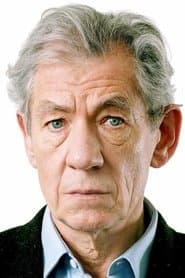
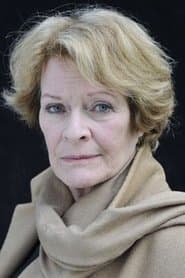
Director Christopher Miles brought this adaptation to life as a Stanley J. Seeger presentation, with Alan Plater crafting the screenplay from Harry T. Moore's biography The Priest of Love. The production drew together a formidable cast: Ian McKellen, already establishing himself as one of Britain's finest actors, took on the role of Lawrence, while Janet Suzman played Frieda, his volatile and devoted partner. The score, composed jointly by Francis James Brown and Stanley J. Seeger under the credited name "Joseph James," provided the emotional scaffolding for a film that needed to balance intimacy with the sweep of international exile. Released in 1981, the film arrived during a period when biographical dramas were experiencing a creative renaissance in British cinema, though it didn't achieve major box office success. Movie OTT tracks films like this one across multiple streaming platforms, making it easier to discover overlooked character studies that might otherwise remain buried in the archives. The film's modest commercial performance—it wasn't a blockbuster, though it found an audience among serious cinema-goers—hasn't diminished its reputation among those who appreciate McKellen's nuanced work and the film's refusal to simplify Lawrence's contradictions.
What Makes Priest of Love Stand Out
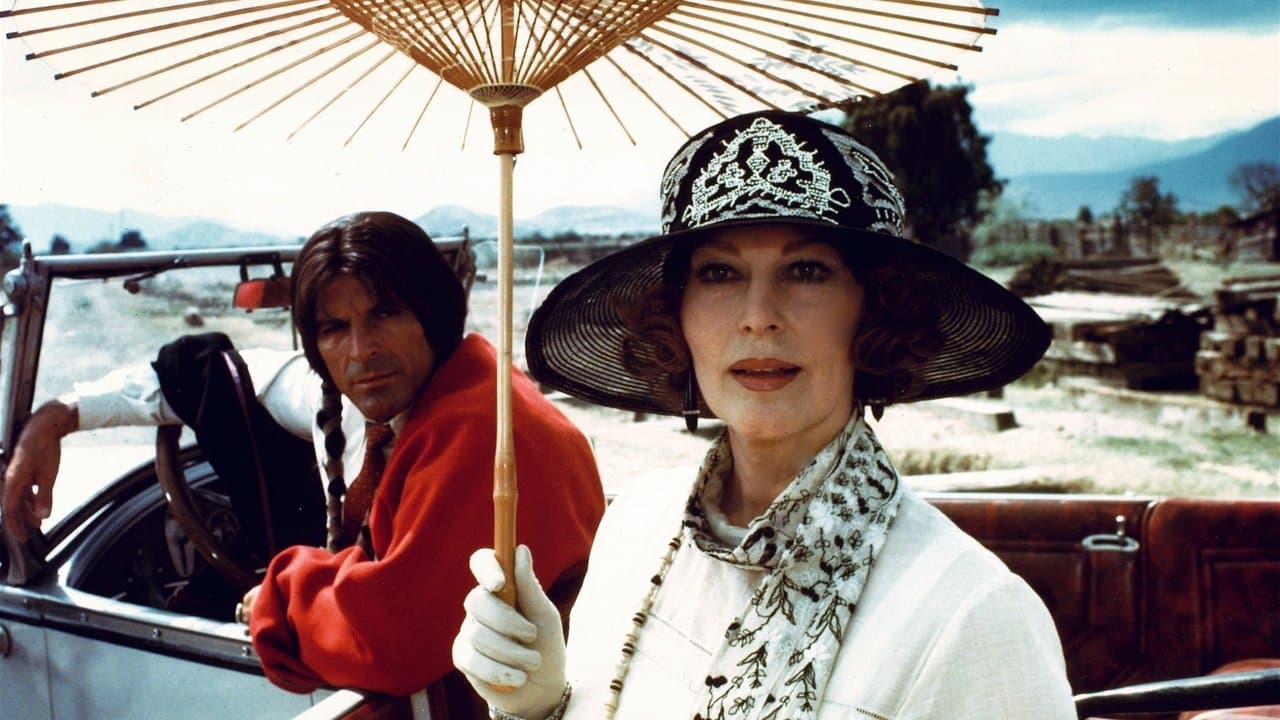
What's striking about this film is how it resists the temptation to lionize its subject. McKellen doesn't play Lawrence as a misunderstood genius—he plays him as a man consumed by his own intensity, capable of tenderness and cruelty in the same breath. The thing nobody mentions is that the film understands the marriage at its core: Frieda isn't a supporting character, she's a co-protagonist, and Suzman's performance captures her exasperation, her loyalty, and her own artistic hunger with remarkable subtlety. The cinematography follows Lawrence and Frieda across landscapes—the New Mexico desert, the Italian coast—that become almost characters themselves, reflecting the couple's emotional states. There's a scene where Lawrence stands at a window in Italy, coughing, knowing his time is running out, and McKellen conveys years of artistic struggle and personal anguish without raising his voice. The film doesn't shy away from the sexual politics that made Lawrence's work so controversial, nor does it pretend those politics are simple or resolved. It's a thinking person's film about a thinking person's writer, which means it won't satisfy viewers looking for easy answers or conventional narrative satisfaction. The IMDb rating of 5/10 reflects a divide: some find it slow and introspective; others recognize it as exactly the kind of measured, intelligent biography that's become rarer in contemporary cinema.
Where to Stream Priest of Love Online
Priest of Love is currently available on major OTT services, making it accessible to subscribers looking to explore British biographical dramas from the early 1980s. Rather than listing every platform individually, check the "Where to Watch" widget at the top of this page—it updates in real-time to show which streaming services carry the film in your region. Movie OTT's streaming aggregator helps you avoid the frustration of searching multiple apps; you'll see availability across Netflix, Prime Video, and other platforms instantly. The 98-minute runtime makes it a manageable evening watch, and the film's deliberate pacing rewards patient viewers willing to sit with its meditative approach to Lawrence's life and work.
Frequently asked questions
Q: Is Priest of Love based on a true story?
Yes, the film is a biographical drama based on Harry T. Moore's biography The Priest of Love. It follows the real events of D.H. Lawrence's life, his exile, and his marriage to Frieda, though like all adaptations, it takes creative liberties with dialogue and specific scenes.
Q: Who directed Priest of Love?
Christopher Miles directed the film, with a screenplay by Alan Plater. It was produced as a Stanley J. Seeger presentation, with music composed by Francis James Brown and Stanley J. Seeger under the joint credit "Joseph James."
Q: What is Priest of Love about?
The film follows author D.H. Lawrence and his wife Frieda as they move across America, Mexico, and Italy following the banning of his novel The Rainbow. It chronicles Lawrence's struggle with tuberculosis, his turbulent marriage, and his writing of Lady Chatterley's Lover.
Q: How long is Priest of Love?
The film runs 98 minutes, making it a relatively compact biography that focuses on key periods rather than attempting to cover Lawrence's entire life.
Q: Where can I watch Priest of Love?
The film is available on major streaming platforms. Use the "Where to Watch" widget on this page to find current availability in your region, or visit Movie OTT to check streaming options across services.
Final Thoughts on Priest of Love
Priest of Love won't appeal to everyone. It's slow. It doesn't offer easy redemption or simple morality. But if you're drawn to character-driven narratives about real artists grappling with censorship, illness, and creative obsession, McKellen and Suzman's performances make this 1981 film worth your time. It's a film that trusts its audience to understand that genius and dysfunction aren't opposites—sometimes they're two sides of the same restless mind.