



The Story of Rambo and His Reluctant Rescue Mission
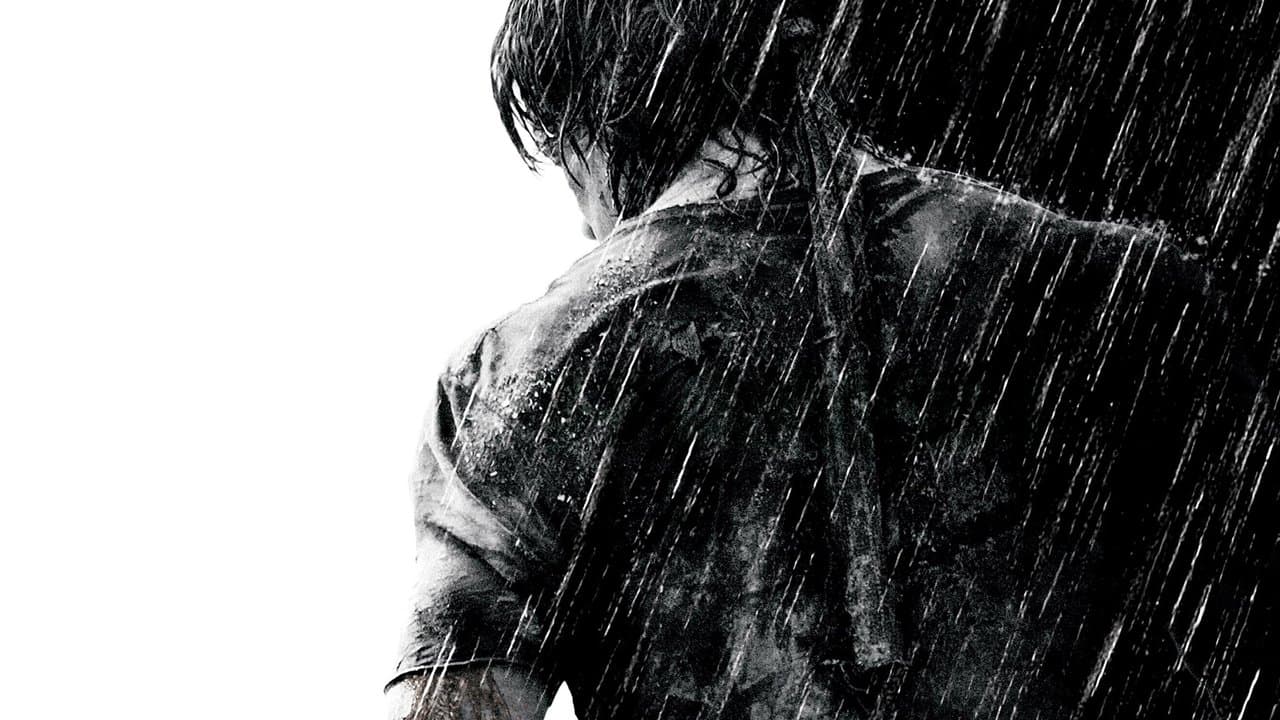
Rambo isn't your typical franchise revival. After nearly two decades of silence, John Rambo has traded the spotlight for solitude in Thailand, where he lives a quiet, hand-to-mouth existence piloting a ramshackle PT boat on the Salween River. He's bitter. He's isolated. He's done with the world. But when a group of Christian missionaries approach him to charter his boat into neighboring Myanmar—where political instability and military brutality have claimed countless lives—Rambo finds himself drawn back into the kind of conflict he'd hoped to leave behind. The film's setup is deceptively simple: rescue the hostages, survive the chaos, get out alive. Yet what unfolds is far more than a straightforward extraction. It's a meditation on a man who can't escape his nature, no matter how hard he tries.
Behind the Making of Rambo and Stallone's Creative Control
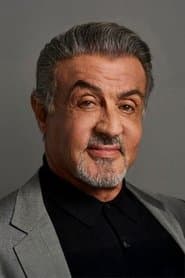
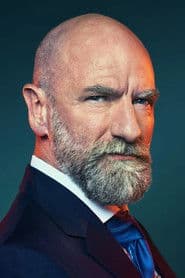
What sets this entry apart is that Sylvester Stallone didn't just star in Rambo—he co-wrote and directed it. That's a significant creative move for a 62-year-old actor returning to an iconic character, and it shows. Released in 2008, the film arrived at a moment when action cinema was shifting, yet Stallone doubled down on practical brutality rather than chasing the glossy spectacle other franchises were embracing. The production brought together Millennium Media, Lionsgate, The Weinstein Company, and Nu Image Entertainment, a constellation of studios betting on Stallone's vision. The supporting cast included Julie Benz, Paul Schulze, Matthew Marsden, and Graham McTavish—solid character actors rather than A-list names, which kept the focus squarely on Rambo himself. The film was dedicated to Richard Crenna, who'd played Colonel Trautman in the previous three films and passed away in 2003, lending the project a poignant sense of legacy and closure. While the film earned a 6.7/10 on IMDb and landed an R rating for its graphic violence, it found its audience among action enthusiasts who appreciated Stallone's willingness to make something genuinely brutal.
What Makes Rambo Stand Out in the Action Genre
Here's what's striking: Rambo works because it doesn't waste time on character development in the traditional sense. The story is basic. The dialogue is sparse. What you get instead is pure, unfiltered action—and what's remarkable is how Stallone uses that restraint to his advantage. When Rambo finally snaps and goes to war against the Burmese military, the violence is sudden, overwhelming, and (yes) heavily CGI'd in places, but it lands because we've spent ninety minutes watching a man pushed to his absolute limit. The film doesn't ask you to sympathize with the mercenaries or the missionaries—it asks you to watch what happens when a trained killer decides the time for negotiation has ended. Viewers have noted that beneath the surface carnage, there's more depth than you might expect. The political backdrop of Myanmar isn't just window dressing; it's a genuine geopolitical crisis that gives the violence context. Stallone's performance, too, is understated in a way that works. He doesn't deliver rousing speeches or crack jokes. He grunts, he grimaces, he acts. The finale is a masterclass in action filmmaking—chaotic, visceral, and exhausting in the best possible way. Movie OTT tracks where you can stream this and other action classics, making it easy to revisit Stallone's most personal entry in the franchise.
Where to Stream Rambo Online
Rambo is currently available on major OTT services, which means you've got flexibility in how you access it. Rather than hunting across multiple platforms yourself, Movie OTT's Where to Watch widget at the top of this page shows you exactly where the film is streaming right now—whether that's on a subscription service you already pay for or a platform offering a rental option. Availability shifts over time and varies by region, so checking that widget gives you real-time accuracy instead of guessing. The 92-minute runtime makes it easy to fit into an evening, and the film's lean structure means there's no bloat—just action, story, and impact.
Frequently asked questions
Q: Is Rambo (2008) a direct sequel to Rambo III?
Yes, it's the fourth installment in the Rambo film series, arriving twenty years after Rambo III (1988). Stallone both directs and stars, bringing a personal vision to what could've been a cynical cash grab.
Q: Who directed Rambo (2008)?
Sylvester Stallone co-wrote and directed the film, marking his first time behind the camera for the franchise. This creative control is part of what makes it feel different from the earlier entries.
Q: Is Rambo based on a true story?
The character John Rambo was created by author David Morrell, and the films adapt that fictional creation. However, the 2008 film's backdrop—the conflict in Myanmar and the persecution of Christian aid workers—draws from real geopolitical tensions.
Q: How violent is Rambo (2008)?
It's rated R for strong bloody violence and language. The film doesn't shy away from gore, particularly in the climactic sequences. If you've seen the earlier Rambo films, expect this one to match that intensity.
Q: What's the runtime of Rambo?
The film runs 92 minutes, making it one of the tighter action films in the franchise. There's minimal downtime—it moves.
Final Thoughts on Rambo
Rambo isn't trying to reinvent the wheel or offer social commentary wrapped in action spectacle. It's a straightforward, brutal film about a man who never wanted to be a hero but can't help becoming one when the stakes are high enough. Stallone's willingness to direct himself—to sit in the editing room and shape how his character moves through the world—gives the film an authenticity that matters. If you're looking for a no-nonsense action film that respects your time and doesn't apologize for its violence, this deserves a spot on your watchlist. It's a fitting capstone to a character's journey, even if—as is often the case with franchises—there's always room for another chapter.