






The story of Razakar: The Silent Genocide of Hyderabad
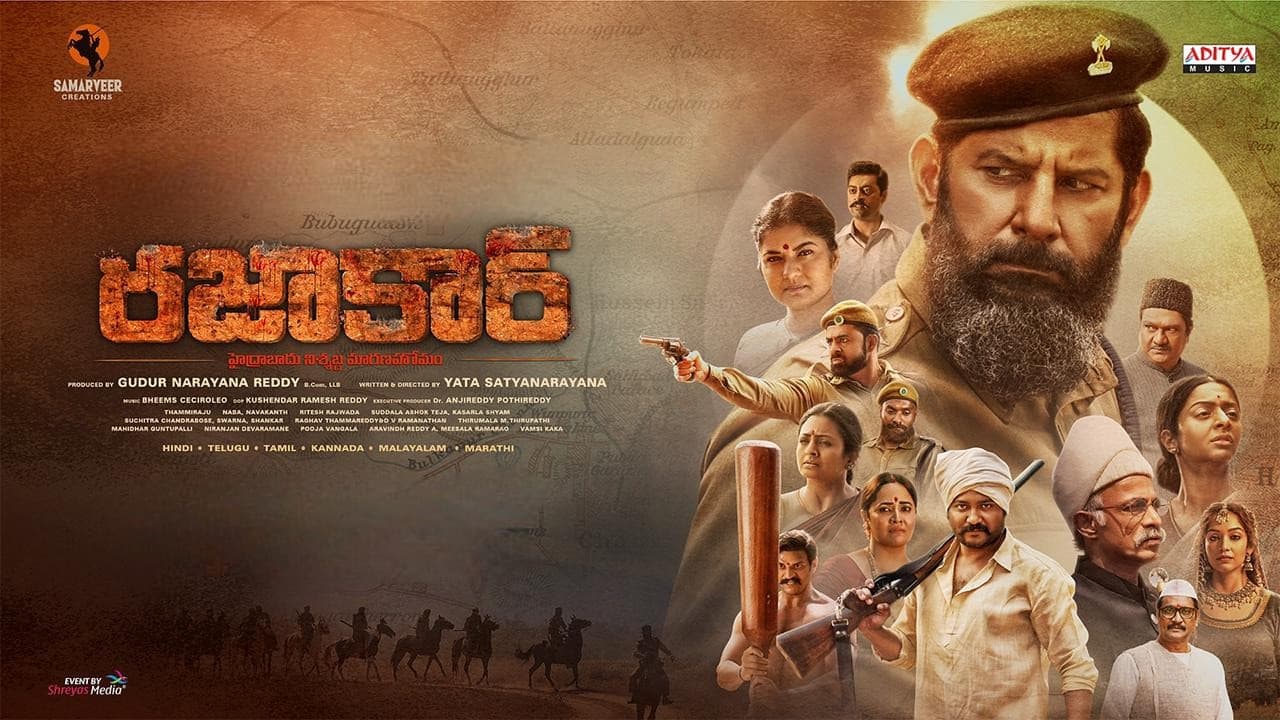
Razakar: The Silent Genocide of Hyderabad unfolds against one of independent India's most turbulent and least discussed moments—the 1948 annexation of the princely state of Hyderabad. The film centers on the Hyderabad Liberation Movement, a period when the region became a flashpoint of violence, resistance, and political upheaval. Rather than offering a sanitized version of history, the 2024 drama confronts the brutal episodes that defined this era, including the documented atrocities in villages like Gundrampally, Parkala, and Bhairanpally. What makes this narrative compelling isn't just the historical scope—it's the way the film attempts to give voice to those whose stories were buried or forgotten. The title itself carries weight. "Razakar" refers to the militia groups that terrorized civilians during this period, and the film doesn't shy away from depicting their actions. This is a story about power, survival, and the cost of liberation when it comes soaked in blood.
Behind the making of Razakar: The Silent Genocide of Hyderabad
Produced by Gudur Narayana Reddy under the banner Samarveer Creation LLP, Razakar: The Silent Genocide of Hyderabad arrived in theaters on March 15, 2024, as an ambitious Telugu-language production with significant production values backing its historical scope. Director Yata Satyanarayana wrote and helmed the project, bringing a singular vision to material that demanded both research and sensitivity. The film was crafted as an epic historical action drama—a genre hybrid that signals the filmmakers' intent to reach both arthouse audiences interested in historical revisionism and mainstream viewers seeking spectacle. While box office figures for regional Indian cinema can be opaque (especially for films tackling contested historical narratives), the film's theatrical release and subsequent streaming availability across major OTT platforms suggest a deliberate push toward wider recognition. The production design and cinematography work to establish the period authentically, from costume work to the architectural texture of 1940s Hyderabad. That kind of commitment to verisimilitude doesn't happen by accident—it reflects a team that understood the stakes of getting history, or at least the emotional truth of history, right.
What makes Razakar: The Silent Genocide of Hyderabad stand out
Here's the thing about historical dramas: they live or die on whether you believe the world they're building and whether you care about the people in it. Razakar attempts to do something that's genuinely difficult—it tries to honor the gravity of real atrocities while still functioning as cinema, which means finding emotional throughlines and character arcs in events that are, by definition, tragic and fragmented. The film doesn't shy away from depicting violence, but it also doesn't exploit it for spectacle alone. What's striking is the film's commitment to specificity: naming actual villages, referencing documented incidents, treating the Gundrampally and Parkala episodes as more than just background color. The performances anchor the narrative in human consequence rather than abstraction. I keep coming back to how hard it is to make a film about a historical genocide that doesn't either minimize the suffering or turn it into melodrama, and Razakar seems aware of that tightrope. The action sequences, when they come, serve the story rather than interrupt it—they're the physical manifestation of conflict that's also political and moral. The IMDb rating of 4/10 suggests the film hasn't achieved universal critical acclaim, which is worth noting. Not every ambitious historical project lands equally with all audiences, and regional cinema—especially work that challenges established narratives—can struggle to find consensus.
Where to stream Razakar: The Silent Genocide of Hyderabad online
Razakar: The Silent Genocide of Hyderabad is available across major OTT platforms, making it accessible for viewers who want to engage with this historical narrative from home. Since streaming catalogs shift—titles move between services, regional availability varies—Movie OTT tracks current availability in real time, so you can see exactly which platform has it in your region right now. The film's presence on multiple services reflects the production's ambition to reach beyond theatrical audiences, which matters for a regional-language drama tackling contested history. Streaming availability also means you're not locked into a specific release window; you can approach the film on your own schedule, which is especially valuable for material that rewards focused, undistracted viewing. The "Where to Watch" widget at the top of this page shows you live platform availability—check there for the most current information on which service has Razakar in your area.
Frequently asked questions
Q: Who directed Razakar: The Silent Genocide of Hyderabad?
Yata Satyanarayana wrote and directed the film. He brought a historical focus to the project, researching the 1948 Hyderabad Liberation Movement extensively to ground the narrative in documented events and real village names.
Q: Is Razakar: The Silent Genocide of Hyderabad based on a true story?
Yes. The film depicts real events from the 1948 annexation of the princely state of Hyderabad, including documented atrocities in villages like Gundrampally, Parkala, and Bhairanpally during the Hyderabad Liberation Movement.
Q: What language is Razakar: The Silent Genocide of Hyderabad filmed in?
The film is a Telugu-language production, reflecting the regional context of the story and its intended primary audience, though it's available on streaming platforms across India and internationally.
Q: What does "Razakar" mean?
Razakar refers to the militia groups that operated during the Hyderabad period and became associated with violence against civilians. The title frames these groups as central to understanding the historical moment.
Q: Where can I watch Razakar: The Silent Genocide of Hyderabad?
The film is available on major OTT streaming services. Use the "Where to Watch" widget on this page or visit Movie OTT's streaming tracker to see which platform currently has it available in your region.
Final thoughts on Razakar: The Silent Genocide of Hyderabad
Razakar: The Silent Genocide of Hyderabad isn't a film for everyone—that's not a criticism, just reality. It's a regional-language historical drama that refuses to look away from uncomfortable truths, and that kind of unflinching approach won't always land with mainstream audiences or critics. But for viewers interested in Indian history beyond the standard textbook narrative, or those seeking regional cinema that grapples with real trauma, it's worth seeking out. The film stakes a claim on a moment that deserves more attention than it typically receives. Watch it if you care about how stories get told—and who gets to tell them.