
The Story of Rear Window (1998)
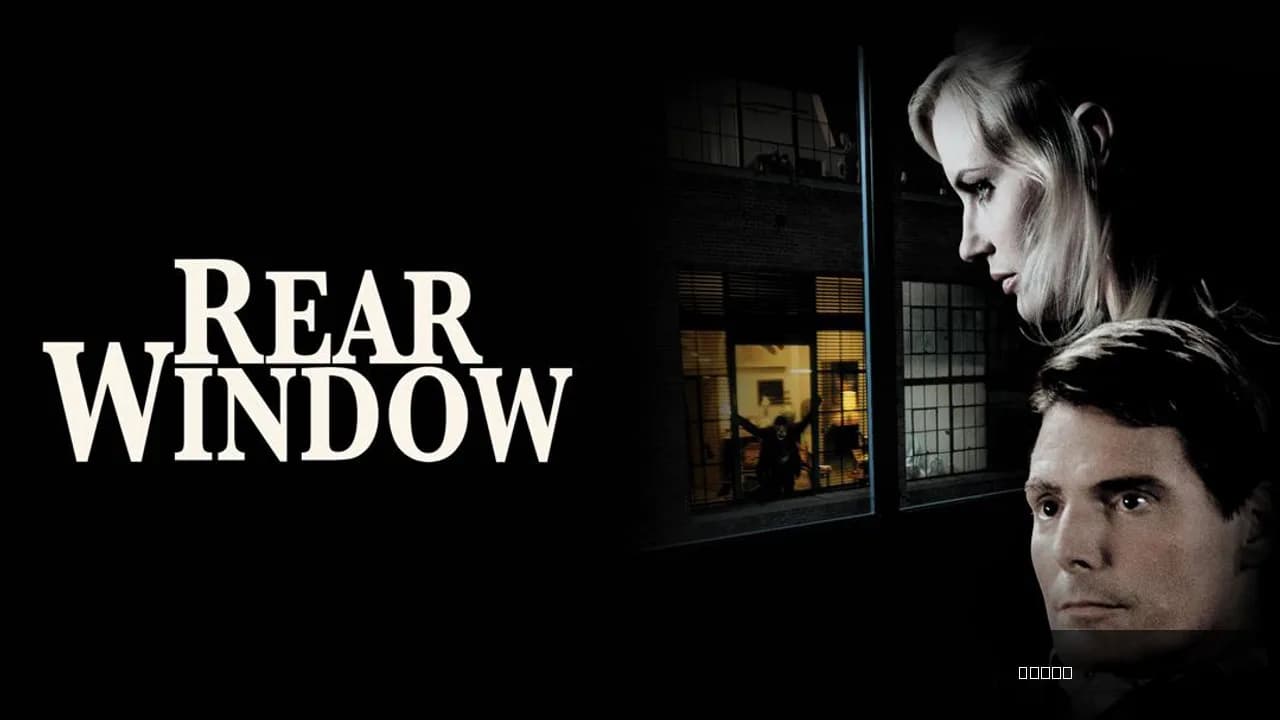
The 1998 version of Rear Window takes the core premise of Hitchcock's 1954 classic and transplants it into a contemporary setting where technology—rather than mere circumstance—becomes the protagonist's window into the world. Christopher Reeve plays a paralyzed man confined to his apartment, forced to rely on assistive devices and the help of those around him to piece together what he believes is a murder unfolding in a neighboring building. It's a setup that trades the voyeuristic thrill of the original for something more grounded in modern disability and isolation. The mystery pulls him deeper into obsession as he watches from behind glass, unable to act directly, dependent on others to verify what his eyes have already convinced him is true.
Behind the Making of Rear Window (1998)
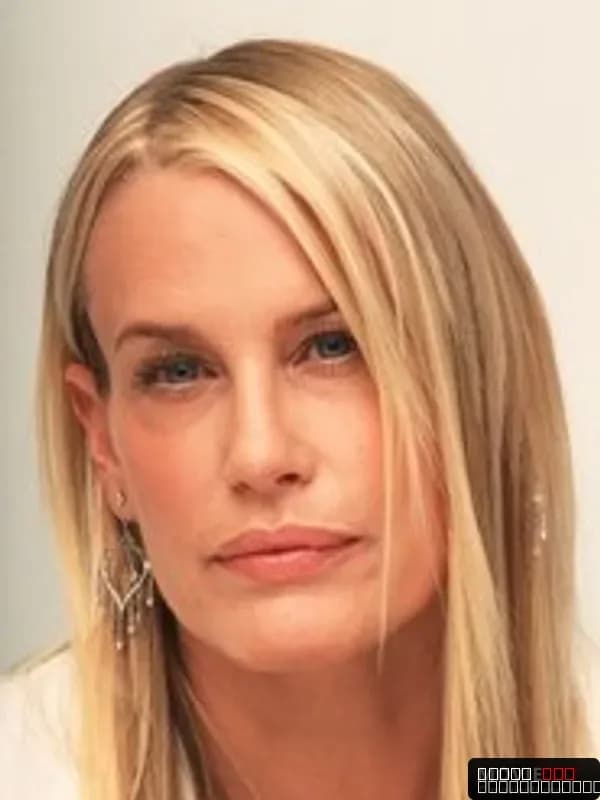
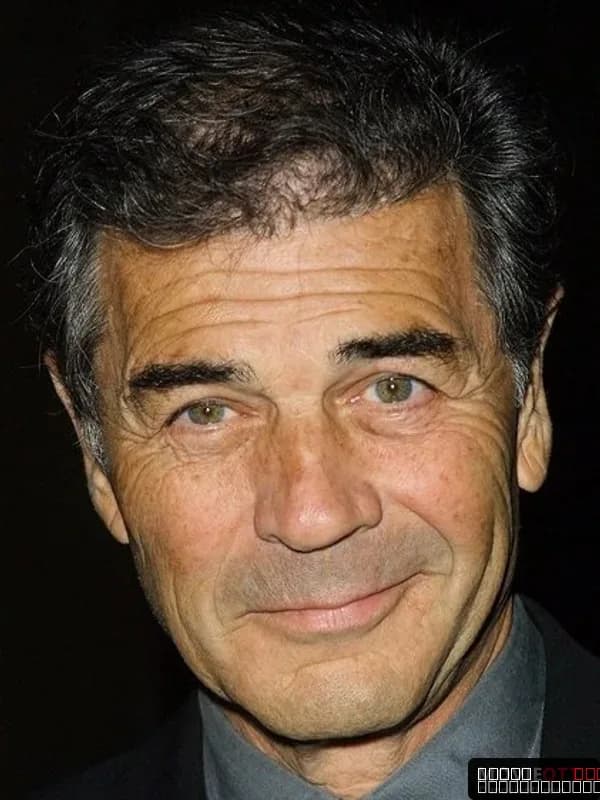
Director Jeff Bleckner helmed this adaptation as a made-for-television production that aired on ABC on November 22, 1998. The teleplay came from Larry Gross and Eric Overmyer, who took Cornell Woolrich's original short story—"It Had to Be Murder"—and filtered it through a 1990s lens. This wasn't a theatrical release chasing box-office returns; it was a prestige television event, the kind that networks used to greenlight for sweeps week. Casting Christopher Reeve was itself a statement. Reeve, best known for playing Superman, had become a powerful advocate for spinal cord injury awareness following his own 1995 riding accident. His casting here wasn't mere stunt-casting—it brought a layer of authenticity and gravitas that a lesser actor might have squandered. The supporting ensemble, including Daryl Hannah, Robert Forster, and Ruben Santiago-Hudson, provided solid dramatic weight throughout the 89-minute runtime. While the film didn't generate significant awards buzz or box-office numbers (being a television movie), it represented a meaningful creative choice to update a beloved property rather than simply remake it frame-for-frame.
What Makes the 1998 Rear Window Stand Out
What's striking about this version is how it grapples with the ethics of surveillance in an era when technology was beginning to reshape daily life. Reeve's character doesn't just watch passively—he's actively investigating, using cameras and monitors to extend his reach beyond his physical limitations. That's different from Jimmy Stewart's protagonist in the original, who was simply bored and nosy. Here, there's a moral complexity: is he solving a crime or exploiting his neighbors? The performances anchor this tension beautifully. Reeve brings a quiet intensity to the role, conveying frustration and determination without melodrama. Hannah, as his love interest, has to carry much of the physical action, and she does so with genuine concern rather than mere plot mechanics. The thing that keeps this version from achieving Hitchcock's level of suspense is partly its television constraints—there's less room for the kind of sustained dread that a feature film can build—but also its earnest desire to be about something beyond just thrills. That ambition doesn't always work, and critics at the time found the pacing uneven and the mystery less satisfying than the original. Still, Movie OTT recognizes that this remake deserves credit for attempting something more than a hollow echo of a masterpiece.
Where to Stream Rear Window (1998)
If you're looking to watch this 1998 adaptation, you'll find it available on Prime Video. The streaming availability of older television movies can be spotty—they drift in and out of catalogs depending on licensing agreements—so if it's currently on your watchlist, it's worth catching it while it's there. Movie OTT tracks current streaming availability across major platforms, so you can check the "Where to Watch" widget at the top of this page to confirm the latest status. Prime Video's library includes a surprising depth of made-for-TV films from the 1990s and 2000s, and this Rear Window sits comfortably among them, available on-demand whenever you're ready to revisit or discover it for the first time.
Frequently asked questions
Q: Is the 1998 Rear Window a direct remake of Hitchcock's original?
Yes, it's an adaptation of the same Cornell Woolrich short story, "It Had to Be Murder," that inspired Hitchcock's 1954 film. However, this version updates the setting and technology to the 1990s, making it a modern reimagining rather than a shot-for-shot remake.
Q: Why was Christopher Reeve cast in the lead role?
Reeve's casting brought authenticity to the role of a paralyzed protagonist. Following his own spinal cord injury in 1995, Reeve became an advocate for disability awareness, and his involvement in the project added meaningful depth beyond typical casting choices.
Q: How long is the 1998 Rear Window?
The film runs 89 minutes, making it a relatively compact thriller compared to Hitchcock's original, which reflected its origins as a made-for-television production rather than a theatrical release.
Q: Where can I watch Rear Window (1998)?
The film is currently available on Prime Video. Check the "Where to Watch" widget on this page for the most up-to-date streaming availability across all platforms.
Q: How does the 1998 version differ from the 1954 Hitchcock film?
Beyond the obvious setting update, this version explores themes of surveillance and technology in a modern context. It also centers more explicitly on the protagonist's physical limitations and dependence on others, whereas Hitchcock's version played voyeurism as a more playful vice.
Final Thoughts on Rear Window (1998)
This 1998 adaptation isn't trying to unseat Hitchcock—it can't, and it knows it. What it does instead is ask what the story means when you strip away the golden-age glamour and place it in a world of surveillance cameras, assistive technology, and moral ambiguity. It's imperfect, sometimes clunky, occasionally underpowered. But it's also earnest and thoughtful in ways that pure nostalgia-driven remakes rarely are. If you're curious about how classic stories evolve across decades, or if you're interested in seeing Reeve in a dramatic role that plays against his Superman legacy, it's worth the 89-minute investment.