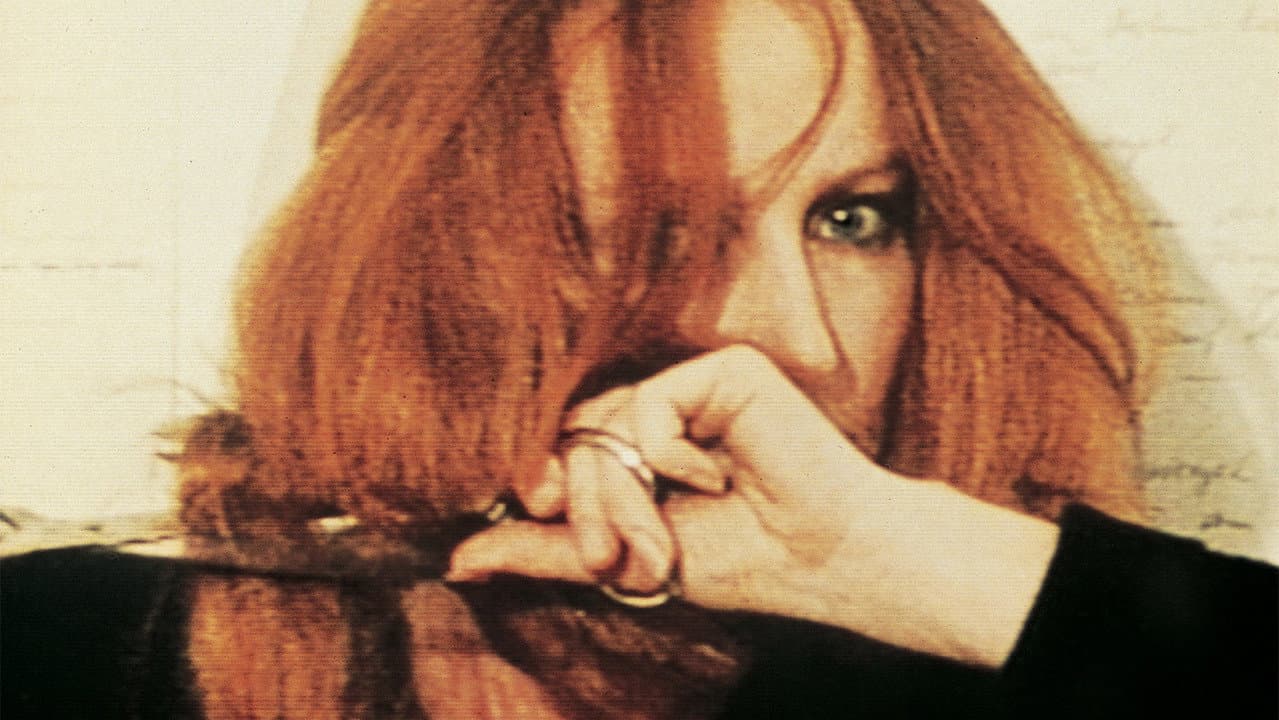
Rebecca Horn – The Secret Life of Things
Director: Claudia Müller | Year: 2026 | Runtime: 90 minutes | Genre: Documentary
What you actually need to know before watching
Here's the thing about Rebecca Horn — The Secret Life of Things: it's not a greatest-hits reel dressed up with a voiceover. This 2026 documentary from director Claudia Müller asks a much harder question: how did one artist's obsession with feathers, machines, mercury, and the boundaries of the human body end up reshaping what art could do in the 20th century?
The film doesn't just catalog Horn's kinetic sculptures and large-scale installations. It treats them as arguments — working claims about what art is allowed to be. You'll watch a pendulum installation unfold with no narration, just the camera holding steady, and feel something genuinely unsettling. That's Müller's approach throughout: show, don't explain.
Is it worth your time? If you've ever wondered how artists went from painting on canvas to building machines that move and think, yes. You don't need an MFA to watch it. The documentary brings you along without dumbing anything down.
Why this film stands out from the usual artist biography
Most documentaries about artists fail the same way: they're reverential to the point of uselessness. They tell you the work matters without ever making you feel why. Müller avoids that trap entirely.
What strikes me watching this is how she lets Horn's practice breathe across multiple forms. Horn made films, yes — but she also made body-extension pieces (feathered suits she wore during a year of isolation after a lung condition left her bedridden). She built mechanized sculptures that seemed almost alive. These weren't separate careers. They were one inquiry about the relationship between bodies, objects, and time — and Müller shows you the connective tissue without spelling it out.
The film's central argument — that Horn's work paved the way for immersive, participatory installation art now found in major museums worldwide — isn't small. But she earns it by tracing the lineage, not asserting it. You see how her early 1970s body-extension work connects to the kind of interactive installations that dominate contemporary art now. The through-line feels real because you're watching it happen.
I keep thinking about the sequences where Müller integrates Horn's film work into the larger narrative. She didn't let the cinema strand overwhelm the sculpture and installation focus — the balance feels like it cost some editorial thought, and it paid off.
Where to watch (and why it matters that you know your options)
Rebecca Horn — The Secret Life of Things is currently on major OTT platforms, which means you're not hunting through obscure arthouse streaming sites. The where-to-watch widget at the top of this page tracks live availability across services and updates regularly.
Here's the practical thing: streaming rights for arts documentaries shift. A title lands on a major platform for a window, then moves. Checking availability in your region before you plan your evening takes thirty seconds and saves frustration. Movie OTT aggregates that data across services so you don't refresh a dozen tabs yourself.
One note on viewing: this isn't a background-watch film. The cinematography and the detail in Horn's installations lose impact if you're half-watching on a phone. A decent home setup — even a laptop at full screen — does right by the work. Müller's camera work respects Horn's sculptures, and they deserve that same respect from your viewing setup.
The context: why Horn matters now
Here's what nobody mentions: Horn made her breakthrough work in the late 1960s and 1970s, a moment when artists everywhere were testing the boundaries between performance, sculpture, cinema, and installation. Müller doesn't treat Horn as an isolated genius (that framing's tired and inaccurate anyway). Instead, she positions her in deep conversation with her historical moment.
There's a sequence early on where we see those feathered body-suits — worn during Horn's recovery from her lung condition. Müller lets the biographical fact exist without reducing the art to autobiography. That distinction matters. The suits aren't interesting because Horn wore them while recovering. They're interesting because they ask: what happens when a body and an object become a single work of art?
The 90-minute runtime works hard here. Müller could've made a three-hour deep dive. Instead, she picked the argument she wanted to make — how did Horn expand what art could do? — and built the film around that question rather than trying to catalog everything. That discipline keeps you moving.
Questions you're probably asking
Q: Is this only for art-school people?
Not remotely. Müller structures the film around Horn's life and ideas in a way that pulls non-specialists along. You don't need to know postmodern theory to understand why a machine that moves like it's thinking is weird and compelling.
Q: How recent is this?
Released in 2026, produced by CALA Film West GmbH and CALA Filmproduktion GmbH. It's one of the more significant arts documentary releases that year, arriving as curators and critics are reassessing Horn's legacy.
Q: What's the runtime?
90 minutes. Long enough to do real work, short enough that it doesn't overstay its welcome.
Q: If I liked [other film], will I like this?
If you've watched documentaries about artists who push formal boundaries — say, something about Yoko Ono or Carolee Schneemann — this will click for you. The difference here is Müller doesn't treat the artist as a personality first and a maker second. The work is the subject.
Q: Where can I find current streaming info?
Check the where-to-watch widget above, or visit Movie OTT's streaming tracker for region-specific platforms and availability windows.
What makes this worth an evening
This is the documentary that makes you want to book a flight to see the actual work in person. That's the highest compliment you can pay a film about a visual artist. Claudia Müller has made something genuinely useful: a 90-minute case for why Rebecca Horn matters, delivered with enough formal intelligence to honor the subject without treating it as a lecture.
If you care about how 20th-century art arrived at where we are now, don't skip it. Watch it on a decent screen. Let it breathe. The machines will do the rest.