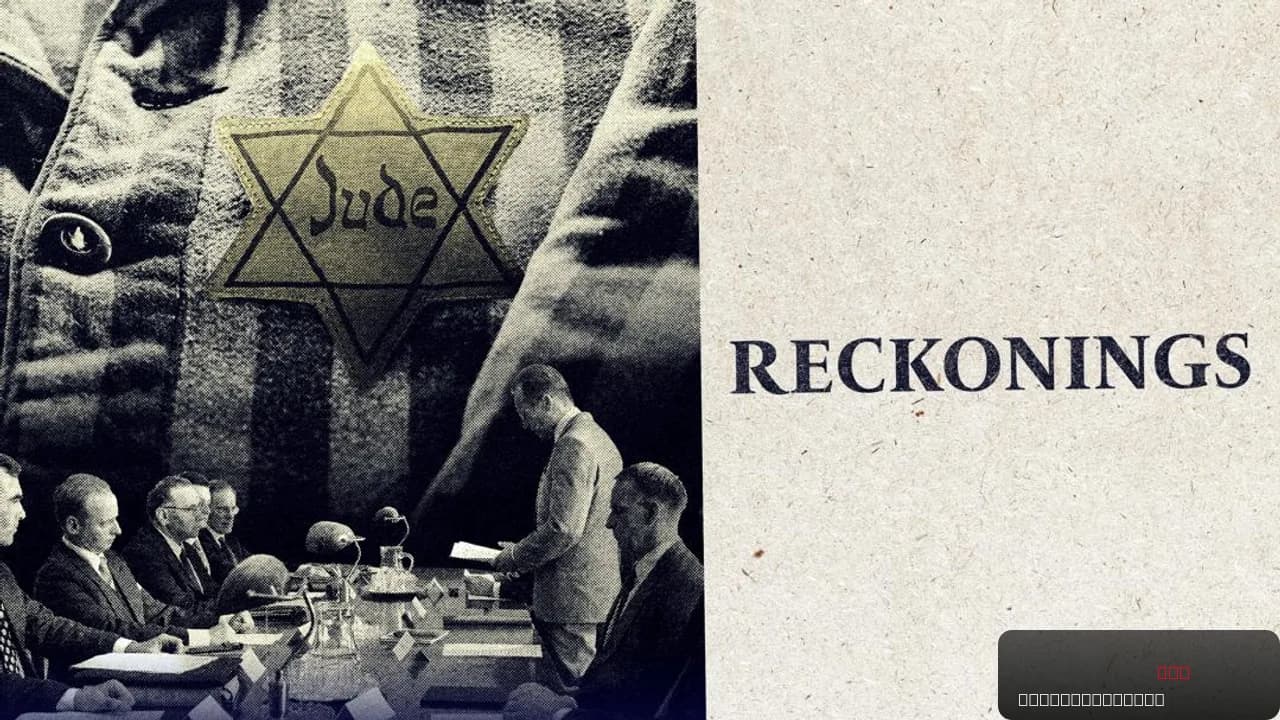
The story of Reckonings and post-Holocaust diplomacy
Reckonings tells the story of what happened when the unthinkable became necessary. In the immediate aftermath of the Holocaust, with survivors displaced, traumatized, and stripped of everything, German and Jewish leaders faced an unprecedented question: Could money repair the irreparable? The film follows these secret negotiations that led to the first reparations agreement in history—a moment that fundamentally changed how the world thinks about accountability and compensation for genocide. Director Roberta Grossman examines not just what was agreed upon, but the moral weight of the conversations themselves, the competing interests at play, and the survivors whose voices shaped these historic discussions.
Behind the making of Reckonings and its historical significance
Roberta Grossman has built a career documenting untold Jewish historical narratives, and Reckonings represents one of her most ambitious projects. Released in 2022, this 72-minute documentary draws on archival footage, interviews, and historical documents to reconstruct conversations that were deliberately kept private at the time. The film doesn't rely on dramatic reenactment—instead, Grossman lets primary sources speak, creating an intimate portrait of diplomacy under extraordinary pressure. What's striking is that this story, despite its global importance, remains largely absent from popular historical consciousness. The reparations agreement established a precedent that would influence how nations address historical atrocities decades later, yet the human negotiations behind it are rarely examined. Movie OTT tracks where documentaries like this one are currently streaming, making it easier to discover important historical work that might otherwise slip past mainstream audiences.
The film doesn't shy away from the contradictions embedded in these negotiations. On one side, survivors needed recognition and material support. On the other, Germany faced questions about whether reparations implied admission of guilt, and Jewish leaders wrestled with whether accepting money dishonored the dead. These weren't simple conversations. The documentary captures the tension between pragmatism and principle—between what was achievable and what felt morally sufficient. That's a lot to unpack in 72 minutes, and Grossman manages it without ever feeling rushed or didactic.
What makes Reckonings stand out as a historical documentary
Most Holocaust documentaries focus on the atrocities themselves or on survival stories. Reckonings takes a different angle entirely. Instead of asking "What happened?" the film asks "What comes next?" and "How do you measure the immeasurable?" This shift in perspective is genuinely rare. I keep coming back to the fact that the film treats its subjects—the negotiators, the survivors, the officials—as complex human beings rather than historical cardboard cutouts. They disagree. They compromise. They struggle with impossible choices.
The archival material Grossman assembles is haunting in its specificity. You're not watching a polished history lesson; you're witnessing the raw conversations, the hesitations, the moments where people are clearly thinking through something for the first time in real time. What the film does exceptionally well is avoid the trap of presenting these negotiations as a triumph or a failure. Instead, it holds the ambiguity. The reparations agreement was both necessary and insufficient, both morally significant and fundamentally inadequate. That contradiction isn't a weakness in the film—it's its greatest strength. Honest, unflinching storytelling. The performances, if you can call them that, come from the archival voices and the contemporary interviews with people who lived through these moments.
There's also something to be said for Grossman's restraint. She doesn't overscore the footage or manipulate the emotional register artificially. The weight comes from the material itself, from the historical stakes and the human voices grappling with them. When you're watching people negotiate the terms of an apology for genocide, you don't need a swelling violin to understand why it matters.
Where to stream Reckonings online
Reckonings is currently available on Prime Video, making it accessible to anyone with an Amazon Prime subscription. The film's availability on a major streaming platform means this important historical documentary can reach audiences who might not seek it out in a traditional cinema or festival setting. If you're tracking where documentaries like this one are available, the "Where to Watch" widget at the top of this page shows you all current streaming options. Prime Video's documentary catalog has expanded significantly in recent years, and Reckonings deserves space in any serious viewer's queue. At 72 minutes, it's lean enough to watch in one sitting, but substantial enough to warrant reflection and discussion afterward.
Frequently asked questions
Q: Who directed Reckonings?
Roberta Grossman directed the film. She's known for her documentaries exploring Jewish history and identity, bringing a deep contextual understanding to her work on these negotiations.
Q: Is Reckonings based on a true story?
Yes. Reckonings documents the actual secret negotiations between German and Jewish leaders in the aftermath of the Holocaust that resulted in the first reparations agreement in history. The film uses archival materials and interviews to reconstruct these real events.
Q: How long is Reckonings?
The documentary runs 72 minutes, making it a focused, digestible exploration of a complex historical moment without unnecessary padding.
Q: What year was Reckonings released?
Reckonings premiered in 2022 and has since become available on streaming platforms like Prime Video for broader audiences.
Q: What's the main subject of Reckonings?
The film explores the behind-the-scenes negotiations between German and Jewish leaders that led to the establishment of reparations for Holocaust survivors—a precedent-setting moment in how nations address historical atrocities.
Final thoughts on Reckonings
Reckonings won't be for everyone. It's a slow-burn historical documentary that asks viewers to sit with uncomfortable questions about justice, compensation, and accountability. But if you're interested in how history actually gets made—not the triumphant narratives we tell, but the messy human conversations that precede them—this film is essential viewing. It's a reminder that even the most important decisions in human affairs are made by people who don't have all the answers, who disagree, and who do their best anyway. That's not a weakness. That's what history looks like from the inside.