What Reclaiming the Blade is really about
Reclaiming the Blade isn't your typical historical documentary—it's a love letter to the sword, told through the eyes of the people who've wielded them on screen and studied them in archives. Director Daniel McNicoll crafted a 77-minute film that weaves together interviews with Hollywood heavyweights, combat historians, and stunt professionals to trace how the sword evolved from battlefield weapon to cinematic icon. The film doesn't just talk about swords; it shows them. You'll see clips from some of cinema's most memorable sword fights, broken down and contextualized by people who actually know what they're talking about. It's the kind of documentary that works whether you're a sword enthusiast, a film geek, or someone who's just curious about why we're still obsessed with blades after centuries of technological progress.
Behind the making of Reclaiming the Blade
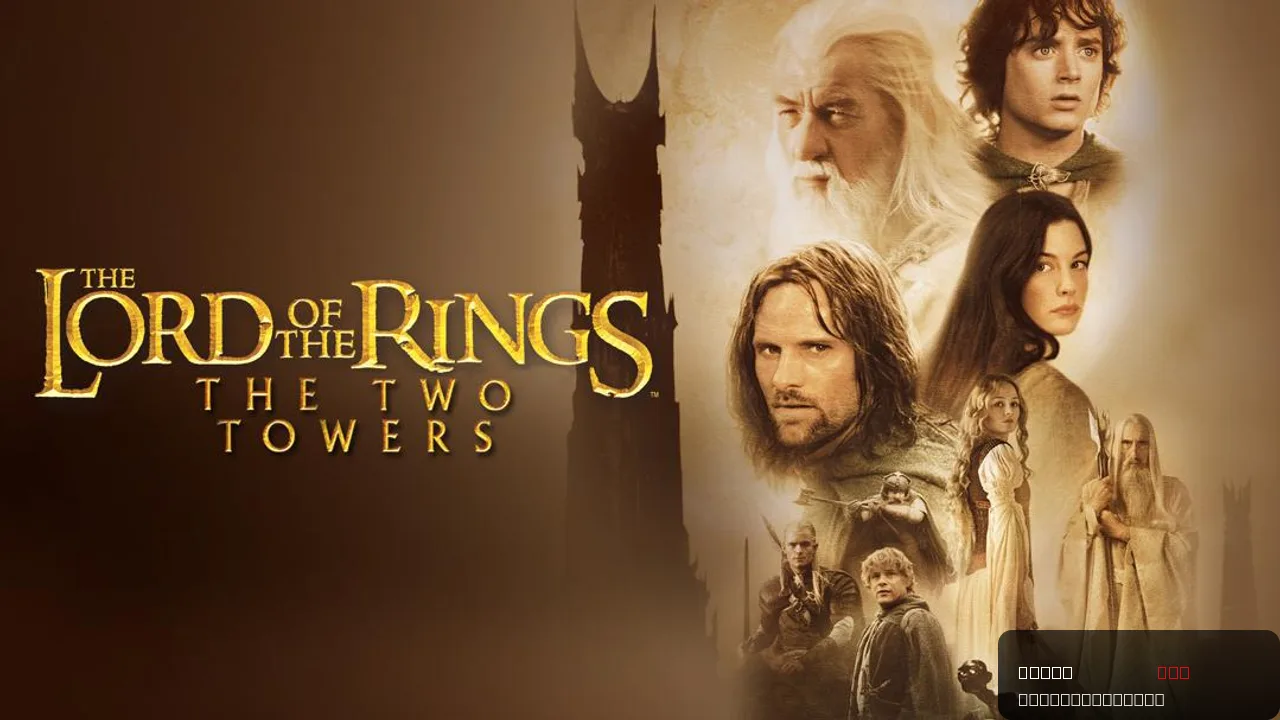
Produced by Galatia Films and distributed by Starz and Anchor Bay Entertainment, Reclaiming the Blade arrived in 2009 as a genuinely unique entry in the documentary space. The film's roster of talking heads reads like a who's who of sword-wielding cinema: John Rhys-Davies (who's swung swords in everything from Lord of the Rings to Indiana Jones), Viggo Mortensen (whose commitment to sword work in the Aragorn role became legendary), and Karl Urban (who'd go on to bring similar intensity to his own blade-heavy roles). The documentary also features Bob Anderson, the legendary sword master and stunt coordinator whose fingerprints are all over the most iconic sword fights in film history. What's striking is how McNicoll managed to assemble this caliber of talent for what could've been a niche project. The film became a number one movie rental on iTunes, proving there was genuine appetite for this kind of behind-the-scenes, expert-driven content—and it wasn't just reaching sword nerds. Movie OTT tracks films like this across multiple platforms, and Reclaiming the Blade's journey from iTunes success to wider distribution shows how documentaries can find unexpected audiences when they're made with real passion.
Why Reclaiming the Blade cuts through the noise
Here's what makes this documentary work: it respects both its subject and its audience. Rather than treating swords as purely historical artifacts or pure fantasy nonsense, McNicoll's approach acknowledges that the sword occupies this fascinating space where real combat technique and cinematic storytelling collide. The interviews aren't just talking heads reciting facts—they're practitioners and artists discussing their craft. When Mortensen talks about sword work, he's not reading from cue cards; he's genuinely passionate about the physicality and discipline involved. The documentary structure, built around clips from famous sword fights, gives the film momentum and visual variety that keeps it from feeling static. You're not just hearing about sword history; you're watching it unfold on screen, seeing the progression from early cinema's sometimes clumsy choreography to the intricate, balletic fight sequences that defined films like The Lord of the Rings trilogy. The film earned a 7.7 IMDb rating from nearly 1,700 votes—respectable for a niche documentary—and it scored a nomination that validated McNicoll's vision. What's interesting is how the film manages to be both educational and entertaining without sacrificing either quality. It doesn't talk down to viewers, but it also doesn't assume you're already an expert in historical weaponry.
Where to stream Reclaiming the Blade online
If you're ready to watch, Reclaiming the Blade is currently available on Prime Video. The film's relatively short runtime—just 77 minutes—makes it perfect for a weeknight viewing session or a lunch-break deep dive if you're the type who gets pulled into documentaries. You can check the Where to Watch widget at the top of this page for current availability, as streaming platforms shift their catalogs regularly. Movie OTT keeps those listings updated in real time, so you'll always know where your favorite documentaries are living at any given moment. The unrated status means there's no content warning to navigate—it's straightforward documentary filmmaking without MPAA restrictions.
Frequently asked questions
Q: Who directed Reclaiming the Blade?
Daniel McNicoll wrote and directed the film, bringing together a compelling vision of sword history that balances academic rigor with cinematic appeal. His ability to secure interviews with major Hollywood figures speaks to the respect he earned for the project.
Q: Is Reclaiming the Blade available to stream?
Yes, the documentary is currently streaming on Prime Video. Check the Where to Watch widget above for the most up-to-date platform availability, as streaming rights can change.
Q: What's the runtime of Reclaiming the Blade?
The film runs 77 minutes, making it a lean, focused documentary that doesn't overstay its welcome while still covering substantial ground on sword history and cinema.
Q: Who appears in Reclaiming the Blade?
The documentary features interviews with major Hollywood figures including Viggo Mortensen, Karl Urban, and John Rhys-Davies, alongside legendary sword master Bob Anderson and various historians and combat experts.
Q: How highly rated is Reclaiming the Blade?
The film holds a 7.7/10 rating on IMDb based on nearly 1,700 user votes, indicating solid reception from both documentary enthusiasts and general audiences interested in film history.
Final thoughts on Reclaiming the Blade
Reclaiming the Blade is the kind of documentary that sneaks up on you. You might think you're just watching a film about swords, and suddenly you're genuinely invested in understanding the relationship between historical combat technique and cinematic storytelling. It's smart, it's well-made, and it doesn't waste time. Whether you're a Lord of the Rings devotee, a film history buff, or someone who's just curious about why sword fights still feel so compelling in 2024, there's something here for you. The film respects both the weapon and the art form equally—that's rare, and it's worth your 77 minutes.