


The Story of Red Dawn: Invasion and Resistance
Red Dawn drops viewers into an alternate 1984 where the unthinkable has happened — Soviet and Latin American forces have launched a coordinated invasion of the continental United States. The film opens in the small town of Calumet, Colorado, where a group of high school students witness paratroopers descending from the sky. What begins as confusion and panic quickly transforms into something darker: the realization that their country is at war, their town is occupied, and they're among the few who might fight back. These aren't soldiers or trained resistance fighters. They're teenagers — kids who were worrying about homework and dates just hours earlier — suddenly forced to become guerrillas in their own backyard. The film follows their desperate attempts to organize, survive, and strike back against an invading force that vastly outguns them.
Behind the Making of Red Dawn: Production, Cast, and Cold War Zeitgeist
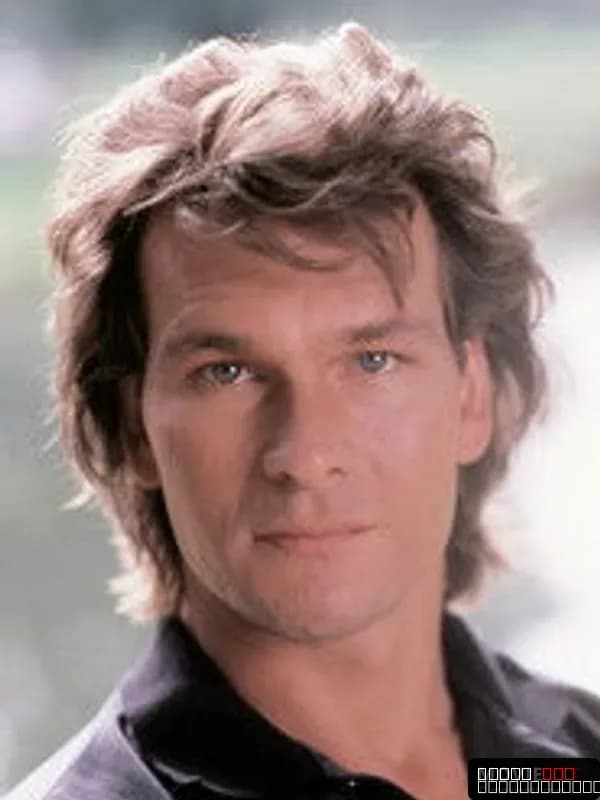
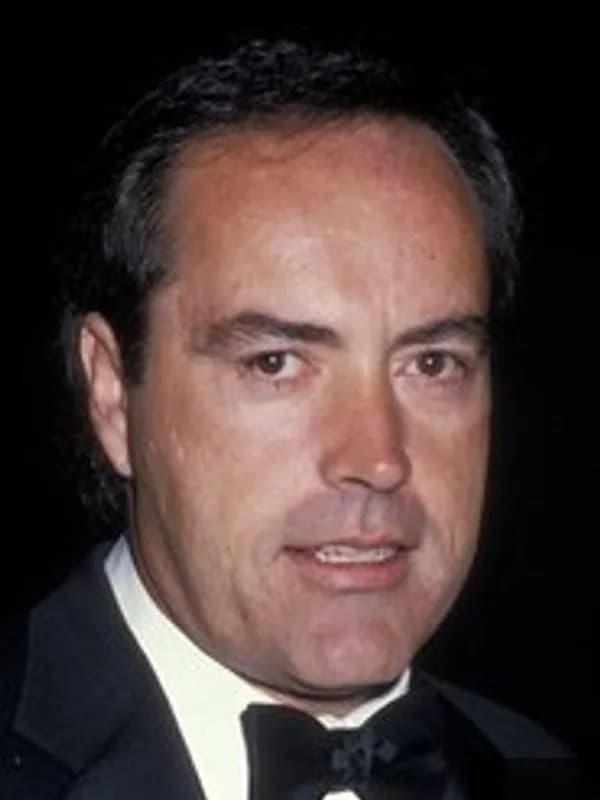
Director John Milius, working from a screenplay he co-wrote with Kevin Reynolds, crafted Red Dawn as a distinctly Reagan-era action film. The project arrived at a moment of genuine Cold War tension, and Milius leaned hard into the ideological stakes — this isn't a subtle film. The cast assembled around Patrick Swayze included rising talent like Charlie Sheen, C. Thomas Howell, and Jennifer Grey, alongside Lea Thompson and Powers Boothe in supporting roles. Swayze, fresh off his success in The Outsiders, anchored the film as Jed Eckert, the de facto leader of the teenage resistance. The supporting ensemble brought real chemistry and youthful vulnerability to roles that could've felt cartoonish in less capable hands.
The film hit theaters in August 1984 and became a modest commercial success, earning over $38 million domestically against its production budget — respectable for an action thriller of that era. It received an R rating for language and violence, which didn't hold back audiences curious about this high-concept premise. Critics were divided even then. The movie didn't land major awards recognition, and it's never been championed as a masterpiece by serious film institutions. What it did become, though, was a cultural artifact — a window into how American popular culture processed Cold War paranoia and the fantasy of armed civilian resistance. Movie OTT tracks where films like this one remain accessible today, and Red Dawn's availability on streaming platforms has introduced new generations to its particular brand of 1980s action cinema.
What Makes Red Dawn Stand Out: Performance and Ideological Conviction
Honestly, Red Dawn isn't a particularly good film — and yet there's something undeniably watchable about it. The performances matter more than you'd expect. Swayze brings a quiet intensity to Jed, a young man thrust into leadership without training or experience, and the actor's physical presence carries scenes that could've fallen flat. Charlie Sheen, as his younger brother Matt, provides the hothead counterweight, and their sibling dynamic gives the film an emotional anchor that pure action spectacle wouldn't provide. C. Thomas Howell's Daryl Dalton is the vulnerable one, the kid who breaks under pressure, and his scenes add real stakes to what might otherwise be pure wish-fulfillment fantasy.
What's striking is how earnestly the film commits to its premise — there's no winking at the camera, no acknowledgment that the scenario is absurd. Milius treats the invasion as a serious military and political problem, which lends the whole thing a weird credibility. The guerrilla tactics the Wolverines employ (that's the name they give their resistance cell) are grounded in actual counterinsurgency theory, not Hollywood nonsense. The film doesn't shy away from the brutality of what these teenagers are forced to do. There's a school shooting scene that remains deeply uncomfortable to watch, even now — not gratuitous, but a reminder that the film understood something about how violence corrupts those who deploy it, even in "righteous" defense.
The thing nobody mentions is that Red Dawn is genuinely about the cost of resistance. These kids don't become action heroes in any triumphant sense. By the film's end, they're traumatized, exhausted, and facing impossible odds. That's not typical 1980s action-movie territory, and it's part of why the film lingers despite its narrative and technical roughness.
Where to Stream Red Dawn Online
Red Dawn is currently available to stream on Prime Video, making it accessible for anyone with an Amazon Prime subscription. You can check the "Where to Watch" widget at the top of this page for the most up-to-date streaming availability, since platforms rotate titles regularly. If you're hunting for 1980s action cinema or Cold War-era thrillers, Movie OTT helps you track where these films are currently streaming across multiple services, so you don't waste time searching.
Frequently Asked Questions
Q: Who directed Red Dawn and what was his vision for the film?
John Milius directed Red Dawn from a screenplay he co-wrote with Kevin Reynolds. Milius brought a serious, ideologically committed approach to the Cold War invasion premise, treating it as a genuine military and political scenario rather than camp or parody.
Q: Is Red Dawn based on a true story?
No, Red Dawn is entirely fictional. It imagines an alternate-history scenario in which Soviet and Latin American forces invade the United States during a fictional World War III. The film was a product of 1980s Cold War anxieties and served as a kind of political fantasy.
Q: What's the runtime of Red Dawn, and is it a long watch?
Red Dawn runs 111 minutes, so just under two hours. It's a brisk action thriller that doesn't overstay its welcome, though the pacing slows in the middle section as the Wolverines establish their base and plan operations.
Q: Why do the teenage resistance fighters call themselves the Wolverines?
The name comes from their high school mascot — it's a small detail that grounds the film's premise, reminding us these are ordinary kids from an ordinary town who've been forced into extraordinary circumstances.
Q: How does Red Dawn compare to other 1980s action films?
Red Dawn is more ideologically explicit and slower-paced than typical 1980s action fare. Films like Rambo or The Terminator prioritize spectacle and one-liners; Red Dawn prioritizes scenario and consequence, making it feel more like a political thriller dressed in action-movie clothing.
Final Thoughts on Red Dawn
Red Dawn isn't essential viewing, and it won't change your life. But it's a fascinating artifact of a specific moment in American popular culture — a moment when invasion felt possible, when resistance felt necessary, and when teenagers seemed like plausible soldiers. Patrick Swayze and the ensemble cast elevate material that could've been pure propaganda into something more human and conflicted. If you're interested in 1980s action cinema, Cold War paranoia, or just want to see how Hollywood imagined conflict forty years ago, it's worth your time. Don't expect greatness. Expect something stranger and more interesting than that.