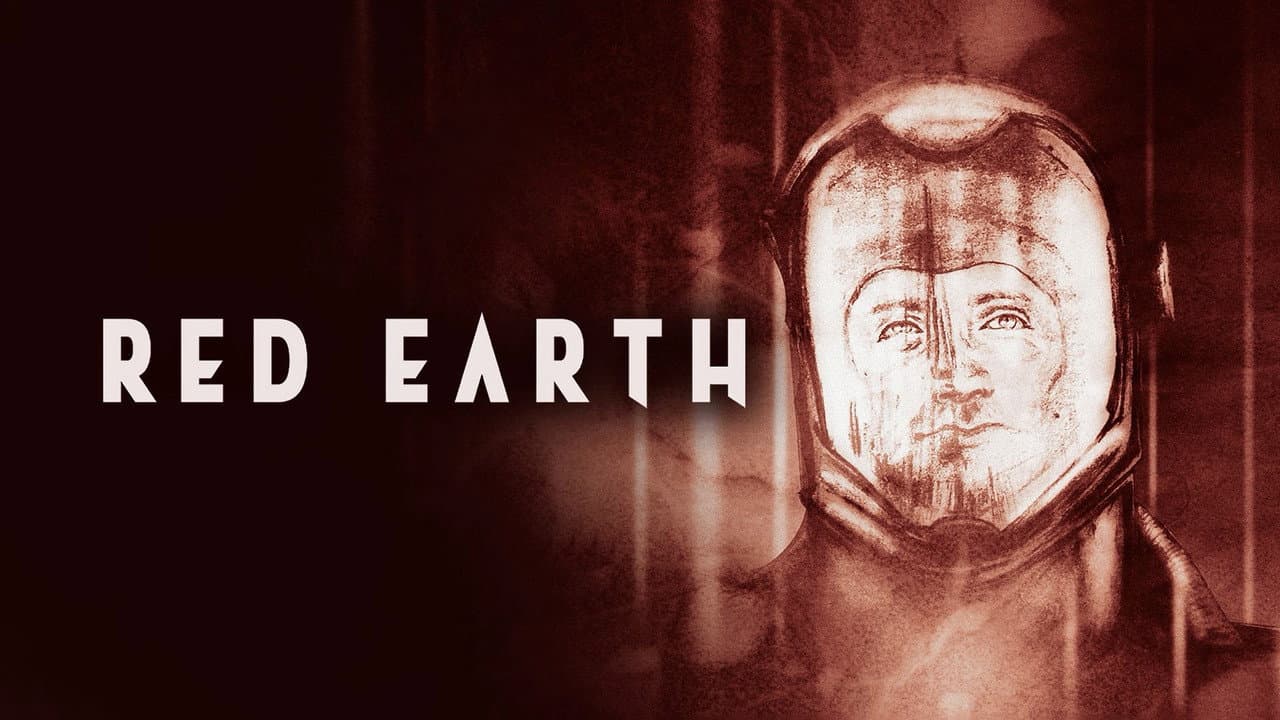
The story of Red Earth: Three generations facing an impossible homecoming
Red Earth imagines a world in the late Anthropocene—a future where large parts of Earth have become inhospitable to life. The narrative unfolds across three generations of Martians, from the first colonists who fled a dying world to their descendants who embark on the first expedition back to an Earth decimated by interplanetary war. It's a premise that carries real weight: what do you owe a home you've never known? What does "home" even mean when you were born in exile? The film explores these questions not through action or spectacle, but through the quiet, complicated emotional terrain of characters who must reconcile memory with reality, inheritance with identity.
The tagline captures the film's central tension perfectly: "It's both a blessing and a curse to remember Earth." That duality shapes everything. Memory becomes both anchor and burden—the thing that keeps a culture alive and the thing that might destroy it.
Behind the making of Red Earth: Production, vision, and independent filmmaking
Red Earth comes from Substream Films and Lunar Kitchen Productions, independent outfits committed to speculative storytelling that refuses easy answers. The film's 64-minute runtime is deliberate—not a constraint, but a choice to prioritize density over sprawl. In an era when streaming platforms favor the three-hour prestige drama or the eight-episode limited series, a focused hour of cinema feels almost radical.
The production emerges from a particular moment in independent sci-fi filmmaking, where filmmakers are increasingly skeptical of the blockbuster template and more interested in philosophical inquiry. There's no mention of major box-office performance or awards recognition in the traditional sense, which actually positions Red Earth in a lineage of cult sci-fi films that find their audience slowly—through word-of-mouth, through Movie OTT's aggregation and discovery tools, through the kind of organic enthusiasm that builds when a film says something genuine rather than something calculated.
The production design and visual language had to do a lot of heavy lifting on what was clearly a modest budget. The filmmakers chose to make that constraint work for them: the aesthetic is deliberately sparse, almost austere, which serves the thematic material about a world stripped of abundance. That's smart filmmaking.
What makes Red Earth stand out: Philosophy over plot, atmosphere over action
What's striking about Red Earth is how willing it is to sit with discomfort. This isn't a film about heroes saving the day or even about characters learning neat lessons. Instead, it's an exploration of how we carry the past, how we're shaped by histories we didn't live through, and whether return is ever actually possible—even if you're returning to your species' ancestral home.
The performances anchor something genuinely unsettling. The actors don't play these roles for sympathy or likability; they inhabit characters grappling with existential vertigo. There's a moment—I won't spoil it—where a character touches Earth's soil for the first time, and the camera holds on their face long enough that you feel the weight of three generations pressing down in that single instant. That's the kind of restraint that separates Red Earth from more conventional sci-fi fare.
The film's thematic reach is ambitious. It's wrestling with questions about climate collapse, the legacies of war, what we owe to places we've abandoned, and whether memory can ever be a reliable guide to reality. Hard to say if every thread lands perfectly—the 64 minutes sometimes feel like they're compressing material that could breathe more—but the ambition itself is admirable. You don't get many films, especially at this length and budget level, willing to interrogate the mythology of return and homecoming so directly.
Where to stream Red Earth online and check availability
Red Earth is currently available on major OTT services. The exact platforms rotate based on licensing agreements, so Movie OTT tracks current streaming availability across Netflix, Prime, and other major players—check the Where to Watch widget at the top of this page for real-time listings in your region. One of the advantages of streaming platforms is that a film like this, which might've struggled to find theatrical distribution, can reach audiences globally. The 64-minute runtime also makes it ideal for the streaming context, where viewers often want something substantial but not overwhelming.
Frequently asked questions
Q: What is Red Earth about?
Red Earth follows three generations of Martian colonists returning to Earth after it's been devastated by war and environmental collapse. The film explores themes of memory, homecoming, and what it means to return to a world you've never known but have inherited stories about.
Q: How long is Red Earth?
The film runs 64 minutes, a deliberate runtime that prioritizes focused storytelling over sprawl. It's designed to work within the streaming context while maintaining thematic density.
Q: Who made Red Earth?
Red Earth is a production of Substream Films and Lunar Kitchen Productions, independent studios focused on speculative and philosophical science fiction.
Q: Is Red Earth based on a true story?
No. Red Earth is entirely fictional—a speculative meditation on climate collapse, interplanetary war, and the concept of homecoming in a future where Earth itself has become a foreign land.
Q: Where can I watch Red Earth right now?
Check the Where to Watch widget at the top of this page for current availability on your preferred streaming platform. Availability varies by region and changes regularly.
Who should watch Red Earth and why
Red Earth is for viewers who want their sci-fi to ask questions rather than provide answers. Don't watch it expecting action sequences or plot twists. Watch it if you're interested in how cinema can explore philosophical ideas through atmosphere, performance, and visual restraint. It's a film that trusts its audience to sit with ambiguity, to find meaning in what's left unsaid. That's increasingly rare—and increasingly necessary. If you're tired of sci-fi that mistakes spectacle for substance, Red Earth offers something different: a quiet, haunting meditation on memory and loss that lingers long after the credits roll.