


The Story of Red Hot Riding Hood
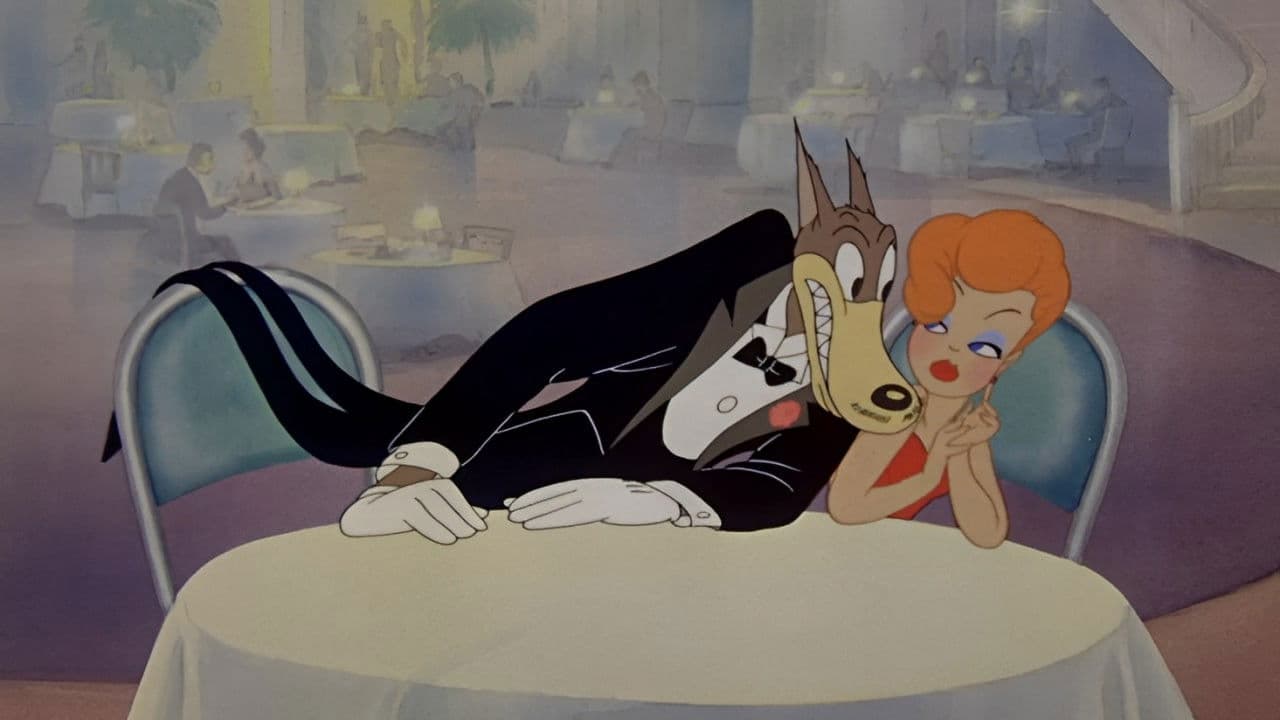
What happens when the characters of a beloved fairy tale get tired of playing by the rules? That's the premise that launches Red Hot Riding Hood, a 1943 animated short where Little Red Riding Hood, her grandmother, and the Wolf all decide they're done with the stale old story. They want something new, something that actually speaks to them. So the film resets entirely—no more deep forest, no more cottage in the woods. Instead, we're dropped into a vibrant, contemporary urban setting where Red Riding Hood works as a pin-up girl at a nightclub, and the Wolf? He's suddenly very interested in a completely different kind of hunt. It's a premise that sounds almost absurd on paper, but it works with a kind of anarchic energy that was rare in animation, even then.
Behind the Making of Red Hot Riding Hood
Red Hot Riding Hood arrived in May 1943 as part of Metro-Goldwyn-Mayer's theatrical short program, released alongside Dr. Gillespie's Criminal Case. But the real story is who made it: Tex Avery, one of animation's most fearless directors, working at the peak of his creative powers. Avery had already proven himself a master of subversion and physical comedy at Warner Bros., and by the time he landed at MGM, he was ready to push even further. This short became one of his signature achievements—a seven-minute film that somehow manages to be simultaneously crude, clever, and surprisingly sophisticated in its humor. The film's influence rippled outward for decades. In 1994, animation professionals voted it the seventh greatest cartoon of all time, making it the highest-ranked MGM cartoon on that prestigious list. That kind of staying power doesn't happen by accident. The craftsmanship on display here—the timing of gags, the exaggerated character animation, the way Avery orchestrates comedic chaos—shows why this short has inspired countless sequels and influenced cartoons and feature films well beyond its own era.
What Makes Red Hot Riding Hood Stand Out
What's striking is how Red Hot Riding Hood works on multiple levels at once. On the surface, it's slapstick and burlesque humor—the Wolf literally loses his mind when he sees the protagonist, his eyes popping out of his head, his tongue unfurling like a red carpet. It's crude, it's physical, it's the kind of gag that wouldn't survive modern network standards. But underneath that surface comedy is something sharper: a genuine critique of tired storytelling itself. The characters aren't just rebelling against their narrative; they're asserting their right to be something other than what tradition demands of them. The grandmother wants to be glamorous, not decrepit. The Wolf wants to be a seducer, not a villain. And Red Riding Hood? She's got agency—she's working, she's performing, she's living in the city. Audiences respond to this because there's a real irreverence baked into the premise. The film doesn't mock the fairy tale out of meanness; it mocks it out of genuine exasperation. And the voice work, the music, the breakneck pacing—everything serves that anarchic energy. I keep coming back to how much personality Avery stuffed into seven minutes without the film ever feeling crowded or exhausting.
How to Stream Red Hot Riding Hood Online
Red Hot Riding Hood is available on major OTT services, so you've got options depending on your current subscriptions. Rather than hunt through a dozen different apps, Movie OTT tracks exactly where this title is streaming right now—the Where to Watch widget at the top of this page will show you every platform carrying it. Since it's a classic MGM short, it often appears as a bonus feature on related releases or as part of broader animation collections. If you're building a classic animation library or just want to see what all the fuss is about, checking Movie OTT's availability tracker is your fastest route to actually watching it today.
Frequently Asked Questions
Q: Who directed Red Hot Riding Hood?
Tex Avery directed Red Hot Riding Hood. Avery was one of animation's most innovative and anarchic directors, known for pushing the boundaries of what cartoons could do comedically. This 1943 short is considered one of his masterpieces.
Q: When was Red Hot Riding Hood released?
Red Hot Riding Hood was released on May 8, 1943, by Metro-Goldwyn-Mayer as a theatrical animated short. It was distributed alongside the live-action film Dr. Gillespie's Criminal Case.
Q: How long is Red Hot Riding Hood?
The film runs seven minutes, which is standard length for theatrical animated shorts of that era. Despite its brevity, it packs in a remarkable amount of comedy and visual storytelling.
Q: Is Red Hot Riding Hood based on a true story?
No, it's an animated reimagining of the classic fairy tale "Little Red Riding Hood." The film's conceit is that the traditional characters grow tired of the old story and demand a modern, contemporary version instead.
Q: What's the IMDb rating for Red Hot Riding Hood?
Red Hot Riding Hood has an IMDb rating of 7.263 out of 10, reflecting its status as a well-regarded classic. The 1994 ranking by animation professionals placing it seventh on the greatest cartoons list speaks to its enduring critical reputation.
Final Thoughts on Red Hot Riding Hood
If you haven't seen Red Hot Riding Hood, it's worth the seven-minute investment—especially if you care about animation history or just want a reminder of what anarchic, fearless comedy looks like. It's not precious about its source material. It's not trying to be reverent. It's trying to be funny, surprising, and a little bit outrageous, and it succeeds on all three counts. That's the kind of creative confidence that doesn't date, even when the specifics of the humor feel very much of their moment.