
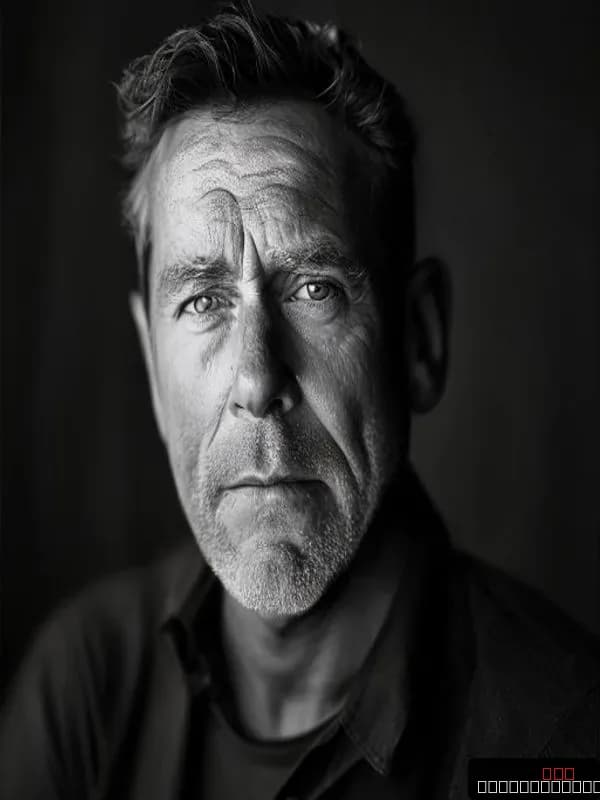
The story of Refuge: Life after displacement
Refuge tells the story of a community living in a refugee settlement, people who've fled the devastating civil war in South Sudan and found themselves rebuilding lives in Europe. Director Sara Hofstein doesn't frame this as a grand narrative arc—instead, she lets the settlement exist as it is, through interviews and observational footage that pull you into the everyday rhythms of displacement. What's striking is how the film treats its subjects not as victims to be pitied, but as individuals navigating the practical, emotional, and bureaucratic realities of starting over. You'll see people cooking, talking with neighbors, dealing with uncertainty about their futures. It's unglamorous and honest.
The documentary's 63-minute runtime works in its favor. It doesn't overstay its welcome or pile on manipulative music cues. Instead, Hofstein lets silences and small moments carry weight—a conversation over tea, a child playing in a confined space, the weight of waiting. There's no voiceover explaining what you're seeing or how you should feel about it. The refugees themselves are the narrators, and their words matter more than any filmmaker's interpretation could.
Behind the making of Refuge: Production, direction, and recognition
Refuge is a co-production between Austria and France, directed by Sara Hofstein, a filmmaker whose work has consistently centered on human displacement and social margins. The film earned five nominations at international film festivals, recognition that speaks to its craft and emotional authenticity—though exact festival details vary by region. The cast includes Katharina Sporrer, David Wurawa, Susanne Gschwendtner, Doina Weber, Christian Schiesser, Martin Bermoser, and Fiona Ristl, all of whom are residents of the settlement itself, not professional actors. That's crucial. Hofstein's decision to work with the community rather than casting outside performers grounds the film in reality.
Filming in a refugee settlement required trust, sensitivity, and time—you can't rush that kind of access. The production team had to navigate complex ethical questions: what story are we telling, and who gets to tell it? Hofstein's background as a woman director working in documentary gives her a particular lens. Women filmmakers in this space often bring a different sensibility to institutional critique and intimate portraiture, and that shows here. The film doesn't lecture or perform moral superiority. It simply says: these are people, this is their life, pay attention. Movie OTT tracks where films like this are available across platforms, making it easier to find documentaries that matter.
What makes Refuge stand out: Presence over exposition
The thing nobody mentions about refugee documentaries is how easy it is to make them feel exploitative—to turn real suffering into content that flatters the viewer's conscience. Refuge doesn't fall into that trap. Hofstein's refusal to dramatize or manipulate is actually radical in a genre that often depends on emotional overwhelm. She's interested in presence, not performance. When someone talks about missing home, or worrying about family still in South Sudan, or struggling with the slow pace of asylum processing, the camera holds steady. No sad strings. No montage of hardship. Just witness.
That restraint is what gives the film its power. It trusts you to understand that displacement is complicated—that it's not just about trauma, though trauma is there. It's also about boredom, about bureaucracy, about the strange liminal space of waiting for a decision that could take years. It's about maintaining dignity when systems are designed to strip it away. Katharina Sporrer, David Wurawa, and the others aren't performing their lives for the camera; they're living them, and we're allowed to see. The performances—if you can even call them that—feel true because they are. This is documentary at its most honest.
What's also striking is the film's visual language. It's not flashy or self-consciously artistic, but it's careful. Hofstein frames her subjects with respect. She doesn't use wide shots to make them look small or vulnerable. She gets close, lets you see their faces, their expressions, the specificity of their humanity. That's a choice, and it matters. Movie OTT readers looking for documentaries that challenge conventional storytelling will find something rare here—a film that respects both its subjects and its audience.
Where to stream Refuge online
Refuge is currently available on Netflix, where you can stream it as part of your subscription. The film's 63-minute length makes it accessible for a single sitting, though many viewers find themselves rewatching scenes or pausing to sit with what they've seen. Netflix's documentary section has grown significantly, and this is exactly the kind of international, thoughtful nonfiction that deserves visibility. You can check the Where to Watch widget at the top of this page for real-time availability updates across your region—streaming rights vary by location, and platforms rotate titles regularly. If you're a subscriber, it's worth prioritizing this one over the algorithm's usual recommendations.
Frequently asked questions
Q: Who directed Refuge?
Sara Hofstein directed Refuge. She's an Austrian filmmaker whose work focuses on displacement, marginalization, and intimate portraiture. Her approach here is observational and ethics-driven, prioritizing the voices and dignity of the people she's documenting.
Q: Where can I watch Refuge?
Refuge is currently streaming on Netflix. You can check the Where to Watch widget on this page for the most up-to-date availability in your region, as streaming rights vary by location.
Q: Is Refuge based on a true story?
Yes—Refuge is a documentary, not a narrative film. It portrays the real lives of South Sudanese refugees living in a European settlement. The people you see are actual residents of the community, not actors.
Q: How long is Refuge?
The film runs 63 minutes, making it a compact but immersive documentary that doesn't overstay its welcome.
Q: What awards has Refuge won?
Refuge earned five nominations at international film festivals. While it didn't sweep major ceremony circuits, its festival recognition reflects the film's craft and emotional authenticity within the documentary community.
Final thoughts on Refuge
Refuge won't give you easy answers about the refugee crisis, and that's exactly why it's worth watching. It's a film that trusts you to think, to feel without being manipulated, and to see the people in the settlement as fully human. It doesn't solve anything—can't solve anything—but it bears witness with integrity. If you're looking for documentaries that matter, that challenge you without preaching to you, this belongs on your list. Movie OTT recommends seeking it out when you need a reminder of what cinema can do when filmmakers prioritize truth over spectacle.