Reminiscence of a Moviegoer
A documentary about the man who shaped what Germany watched
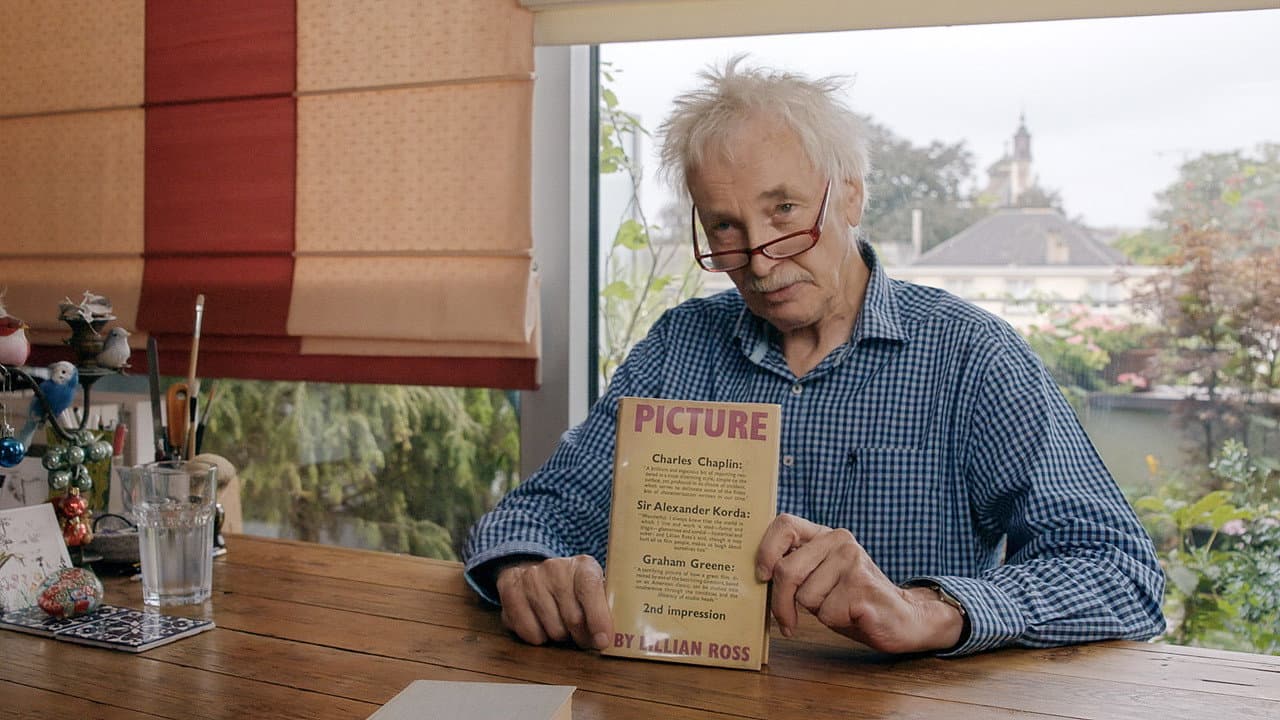
Reminiscence of a Moviegoer is a 100-minute documentary about Werner Dütsch, a commissioning editor at WDR (West German public television) who quietly controlled which films German audiences got to see for decades. He wasn't a director. Wasn't famous. But his influence on postwar cinema culture was enormous — the kind of power that rarely gets documented because it lives entirely behind the scenes.
Director Christiane Büchner built the entire film around extensive interviews with Dütsch, letting his voice and memory carry the whole weight. No talking heads. No archival narration tricks. Just a man describing a film he watched forty years ago as if he saw it yesterday morning.
Why Dütsch matters (and why most people have never heard of him)
Here's the thing that strikes me about this film: it exists to answer a question nobody asks. Film history gets written about directors and actors — the people whose names appear on posters. But the editors, programmers, and commissioning figures who actually decided what got funded and broadcast? They vanish from the record entirely.
Dütsch worked at WDR during the 1950s and 1960s, when West German public television was genuinely one of Europe's most significant patrons of serious cinema. His choices rippled through entire careers — filmmakers who got funded because Dütsch said yes, whose work shaped German culture because Dütsch believed it mattered. And yet his name doesn't appear in most film textbooks.
Büchner's decision to focus on him makes sense precisely because it's counterintuitive. She's not trying to rehabilitate a forgotten genius or correct some historical injustice. She's just paying attention to something that deserved it all along (which, weirdly, is rarer than it should be). The production company behind this — Büchner Filmproduktion GbR — is small and independent, which tracks with the kind of unhurried, intimate documentary this clearly is.
How to watch it, and what to expect
Reminiscence of a Moviegoer is currently streaming on major OTT platforms. Movie OTT's where-to-watch tracker has the most current platform breakdown by region — streaming rights for European documentaries shift faster than you'd think, and that widget updates in real time.
Here's what you need to know before hitting play:
- Runtime: 100 minutes. Not arbitrary. Most festival documentaries land at either 75 minutes or well over 120, so this choice feels deliberate — long enough to develop real depth without testing your patience.
- Pacing: Slow. This isn't a film to have on in the background. Give it your full attention, the way you'd read a long essay.
- Audience: Primarily for people interested in cinema history, German culture, or the institutional side of film. But honestly, anyone drawn to portraits of passionate, dedicated people will connect with it.
- Genre compatibility: If you've watched documentaries like Nostalgia for the Future (which premiered at Cannes 2026) — those meditative films about how we remember and transmit cinematic experience — you'll recognize the form here.
The film doesn't try to be populist. It doesn't announce itself loudly. And that's exactly the point.
Why this film exists right now
There's a real appetite for this kind of work in 2026. The discourse around serious film culture — who preserved it, who championed it, who made space for it when nobody was paying attention — is hungry for exactly these kinds of portraits. Büchner's tapping into something people actually want to understand: what does it mean to give your life to cinema?
What's striking about the interviews is how they're structured and interwoven. A documentary that relies this heavily on one subject's voice needs that voice to be genuinely compelling, and by all indications, Dütsch was. He's the entire film — and the film trusts that to be enough.
Hard to say whether this will catch on with mainstream audiences or rack up festival awards. But the conditions are favorable. Movie OTT tracks documentaries of this kind across streaming platforms precisely because they tend to find their audiences slowly, through recommendation rather than algorithmic push, and this one has that exact profile — a slow-burn discovery waiting to happen.
The questions people actually ask
Is this a biography of Werner Dütsch? Not exactly. It's less about who he was and more about how he watched. The film treats his sensibility — his way of seeing films, remembering them, understanding their cultural weight — as the real subject. His institutional history at WDR matters, but mainly as context for how a person can shape culture without ever being famous.
Do I need to know about German cinema to appreciate it? No. You don't need to be a film buff, though you should care about where film culture comes from. The documentary works because Dütsch's passion translates regardless of how much you know about postwar German television.
Where exactly can I watch this? Check the where-to-watch widget at the top of this page on Movie OTT for your region — availability varies by territory for European productions. Most major OTT services carry it, but the specific platform depends on where you are.
How long is it really? 100 minutes exactly. For a documentary built around extended interviews, that's well-calibrated.
The bottom line
Reminiscence of a Moviegoer won't appeal to everyone, and it doesn't try to. But if you care about cinema history, about the people who kept serious film culture alive during its hardest decades, or about what it looks like to dedicate your life to something that matters — this one's worth your time.
It's the kind of film that earns its 100 minutes through quiet, sustained attention. No spectacle. No manufactured drama. Just a filmmaker paying careful attention to a man who spent his life doing exactly that. The recursion — watching someone watch — is where the real depth lives.
Movie OTT will keep tracking where it's available as it finds its audience. Don't wait for the buzz. It's already here.