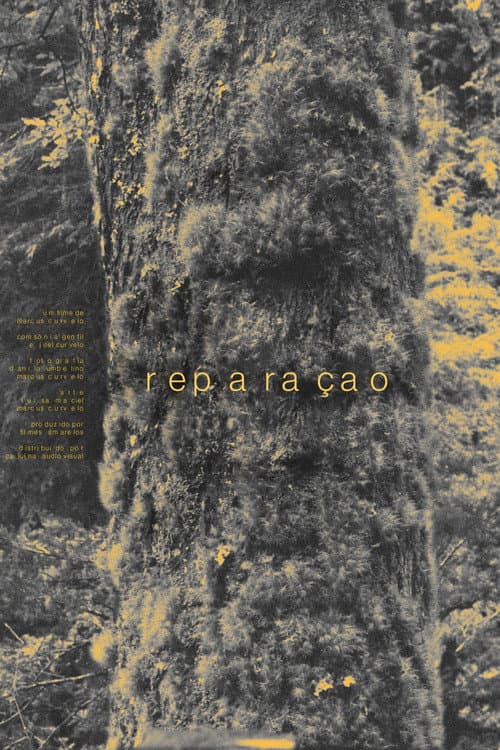
Reparação
The Setup: A 70-Minute Grief Film That Doesn't Flinch
Marcus Curvelo's Reparação (2026) is a Portuguese-language film about a man turning 35 who travels to Bahia with his mother to scatter his father's ashes. That's the plot. What actually happens is quieter — and harder to shake.
When his mother falls ill during the coastal trip, the sea stops being a place of closure and becomes something that takes. The salt, the tide, the ritual of letting go curdle into dread. No dramatic breakdown. No cathartic speech. Just a slow accumulation of the feeling that grief doesn't end when the ashes hit the water — it keeps going. It corrodes. The film doesn't explain this. It just shows it, and trusts you to sit with it.
Runtime: 70 minutes. Shot in black and white. Produced by Filmes Amarelos. Almost nothing is wasted.
Why This Film Exists (And Why It Matters That It Does)
Here's the thing most grief films get wrong — they perform loss. Reparação doesn't perform it. It remembers it.
Director Marcus Curvelo cast his own mother, Sônia Gentil Curvelo, and his late father, Joel Curvelo, in the film. That choice changes everything. The camera isn't watching actors pretend to mourn. It's watching a woman live inside her actual grief, reconstructed and framed for cinema but not faked. Sônia's presence onscreen is one of the film's quiet devastations. She's not playing a widow. She is one.
The film sits in a hybrid space between documentary and experimental autofiction — which sounds pretentious until you realize it's the only honest way Curvelo could have made this work. Black and white strips the Bahian coast of its postcard warmth and leaves something more elemental: rocks, salt, water, light. The visual choice isn't affected. It's earned.
Reparação premiered in the Brazilian Feature Competition at the 15th Olhar de Cinema – Curitiba International Film Festival in 2026, one of Brazil's most respected platforms for arthouse cinema. That's a significant placement. Olhar de Cinema doesn't program lightly, and landing in the national competition signals that Brazilian critics took the film seriously from the start.
What Critics Said (And What They Meant)
Brazilian critics flagged recurring visual motifs — a broken car, a damaged Christ statue — as mirrors of Marcus's interior state. These aren't heavy-handed symbols. They're just things in the world that happen to be broken, which is exactly what makes them work. According to coverage from Andanças, the film was described as a powerful, melancholic portrait of mourning that's emotionally intense and contemplative — language that captures the register without overstating it.
What strikes me about the pacing is this: scenes don't resolve so much as exhaust themselves and stop. There's a stillness that some viewers will find frustrating (fair) and others will find profound (also fair). The 70-minute runtime is deliberate. It doesn't overstay.
Hard to say what the critical consensus looks like right now — the film is still making its way through the festival circuit, and Rotten Tomatoes/Metacritic scores haven't crystallized yet. But the early response from people who've seen it leans toward admiration.
Where to Actually Watch It
Reparação is available on major OTT services, though regional availability varies more than you'd expect. Check Movie OTT's where-to-watch tracker — it pulls live data so you're not chasing outdated information. Streaming rights for festival films shift quickly, and outside South America, availability may be limited to specialist platforms.
The easiest move: check the where-to-watch widget at the top of this page. It updates in real time and shows you exactly what's available in your region right now — subscription, rental, free with ads, whatever applies.
If you're in Brazil, you've got more options. International viewers might need patience (or a VPN conversation with their conscience). Movie OTT tracks these shifts, so bookmark it if you're serious about finding smaller films like this one.
Is This Actually Worth Your Time?
Reparação isn't for everyone. It won't give you the emotional payoff of a conventional drama. If you're looking for narrative momentum or a tidy ending, this film will test your patience.
But if you're drawn to cinema that sits inside grief rather than dramatizing it from a safe distance — the kind of work that feels less like a story and more like a document — this is genuinely worth 70 minutes. It's the kind of film that Movie OTT exists to surface: small in scale, serious in intent, easy to miss without a platform actively tracking it.
Watch it if you've experienced loss and you're tired of films that tell you how to feel about it. Watch it if you care about cinema that trusts you. Don't let it slip past.
TL;DR: Portuguese-language arthouse film about grief, family loss, and the Bahian coast. 70 minutes. Black and white. Director cast his own family. Premiered at Olhar de Cinema 2026. Streaming availability varies by region — check Movie OTT for your area.