


The Story of Return to Silent Hill
Return to Silent Hill follows James, a man whose life has fallen apart after his relationship with Mary ends. When a mysterious letter arrives—ostensibly from her—he's drawn back to Silent Hill, the fog-shrouded town where their past is buried. What he finds isn't the place he remembers. The town has transformed into something darker, more hostile, and the line between what's real and what's haunting him becomes increasingly blurred. It's a setup that should work. A broken man, a lost love, a cursed town—these are the ingredients of genuine psychological horror. Yet the film takes its time getting anywhere interesting, spending over thirty minutes establishing mood before delivering anything remotely unsettling.
Behind the Making of Return to Silent Hill
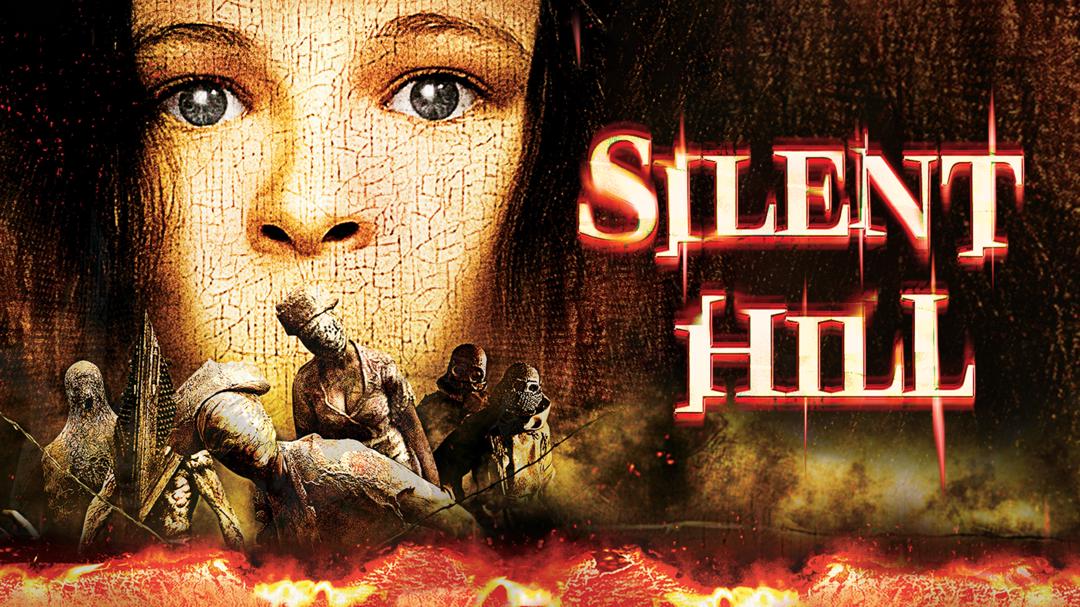
Return to Silent Hill marks director Christophe Gans's third venture into the Silent Hill universe—he previously helmed the 2006 original and its 2012 sequel, Revelation. This time, he's working from a screenplay he co-wrote with Sandra Vo-Anh and Will Schneider, loosely adapting Konami's 2001 video game Silent Hill 2, widely considered one of the greatest horror games ever made. The film is a co-production spanning France, Japan, the United States, the United Kingdom, and Germany, produced through Victor Hadida's Davis Films banner. Jeremy Irvine carries the lead as James Sunderland, with Hannah Emily Anderson opposite him as Mary. The supporting cast includes Evie Templeton, Pearse Egan, Nicola Alexis, Robert Strange, and Emily Carding. At 105 minutes and rated R, the film had a theatrical release in 2026, though it struggled at the box office, earning just $5.5 million worldwide. Critical reception was harsh—Rotten Tomatoes gave it an 18% score, Metascore landed at 34/100, and IMDb users rated it 4.3 out of 10 across nearly 17,500 votes. These numbers don't lie: something went wrong in the translation from game to screen.
What Makes Return to Silent Hill Stand Out—And What Doesn't
Here's the thing nobody mentions: the cast isn't the problem. Irvine, despite looking deliberately ashen and defeated throughout, does competent work with material that doesn't give him much to do. Anderson brings a haunting quality to Mary, even if her screen time is limited. The real issue is pacing and narrative structure. Audience reviews consistently point to a film that can't find its rhythm—it's not the actors' fault; it's the story that needed reworking. What's striking is how the filmmakers nailed the aesthetic. The visual design mirrors the game's oppressive atmosphere; the town looks like something pulled straight from Silent Hill 2's fog-drenched streets. But atmosphere alone doesn't sustain a 105-minute film, especially when the scares aren't landing and the emotional core—James's grief and obsession—never quite crystallizes into something we believe in. The supernatural elements feel disconnected from his psychological unraveling, and that disconnect weakens everything. I keep coming back to the gap between what this film wanted to be and what it actually became: a slow-burn that burns too slowly, with nowhere compelling to arrive.
Where to Stream Return to Silent Hill Online
Return to Silent Hill is currently available to stream on Prime Video. If you're using Movie OTT to track where films are streaming, you'll find the full breakdown of platforms in our "Where to Watch" widget at the top of this page—it updates in real time as licensing agreements change. Prime Video subscribers can stream the film on-demand without additional rental fees. It's worth checking your local availability, as streaming rights vary by region, but for U.S. viewers, Prime Video is your main destination for this one.
Frequently Asked Questions
Q: Is Return to Silent Hill based on a video game?
Yes. The film is loosely based on Silent Hill 2, the 2001 survival horror game by Konami. Director Christophe Gans adapted the core premise—a man drawn back to Silent Hill by a mysterious letter—but made significant story changes for the film adaptation.
Q: Who directed Return to Silent Hill?
Christophe Gans directed and co-wrote the film. He also directed the 2006 Silent Hill film and 2012's Silent Hill: Revelation, making this his third entry in the franchise.
Q: What's the runtime and rating for Return to Silent Hill?
The film runs 105 minutes and is rated R for horror violence and some language. It's a theatrical release from 2026 now available on streaming platforms.
Q: Why did Return to Silent Hill get such poor reviews?
Critics and audiences faulted the film's slow pacing, lack of effective scares, and a narrative that didn't justify its runtime. While the cast delivered decent performances and the visual design captured the game's atmosphere, the story struggled to engage viewers—it took over thirty minutes to reach anything remotely interesting.
Q: Can I watch Return to Silent Hill if I haven't seen the other Silent Hill films?
Yes. While this is the third Silent Hill film, it functions as a reboot with its own standalone narrative. You don't need to have watched the 2006 or 2012 films to follow the story, though familiarity with the game's themes of guilt, obsession, and supernatural punishment might deepen your appreciation.
Final Thoughts on Return to Silent Hill
Return to Silent Hill is a film that respects its source material visually but struggles to find a compelling reason to exist as its own work. It's not terrible—the performances are solid, the craft is competent—but it's boring, and boring is worse than bad in horror. If you're a die-hard Silent Hill fan or completist, Prime Video makes it accessible. Everyone else might want to revisit the original game or the 2006 film instead. Sometimes a franchise should stay buried.