The story of Ride, Vaquero! and its moral frontier
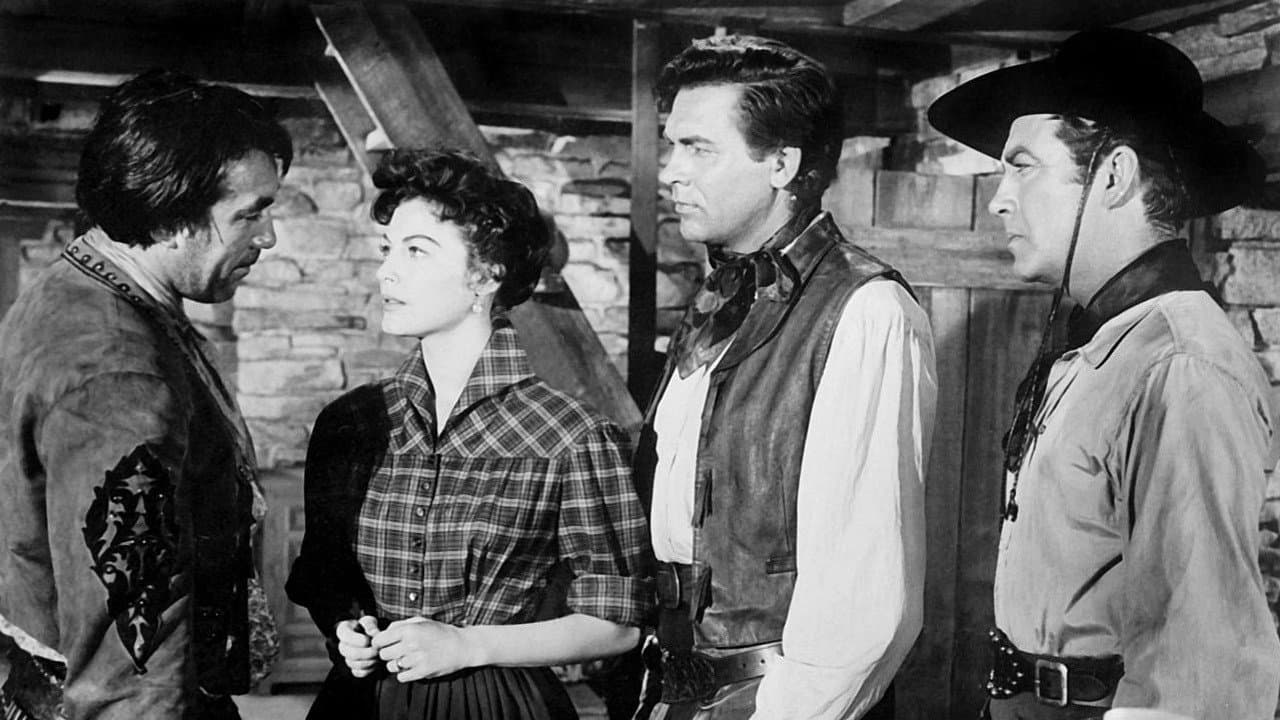
Ride, Vaquero! opens on a Texas border landscape where two men—raised as stepbrothers despite their opposing worldviews—find themselves on a collision course. Rio and Esqueda aren't strangers sharing a past; they're brothers in everything but blood, which makes their conflict cut deeper than any ordinary outlaw rivalry. The film's central tension isn't about good guys versus bad guys. It's messier than that. One brother believes the settlers moving into their territory should be driven out by force. The other sees something else—maybe a future, maybe just mercy. What unfolds is a western that trades simple heroics for something more complicated: a genuine philosophical showdown between two men who love each other but can't agree on what's right. Over 90 minutes, that disagreement becomes a reckoning.
Behind the making of Ride, Vaquero! and its MGM pedigree
Metro-Goldwyn-Mayer brought considerable firepower to this 1953 production. Director John Farrow, who'd already proven himself across multiple genres, steered the project from a screenplay co-written by Frank Fenton and Farrow himself—the kind of collaboration that usually signals a director with real creative control. Producer Stephen Ames shepherded the film through MGM's system, where resources were never in short supply. What's striking is the technical polish: cinematographer Robert Surtees captured the Arizona and Texas locations in Ansco Color, a three-strip Technicolor process that gives the film its warm, almost painterly quality. You can see dust and heat in those images. Bronislau Kaper's score provides the emotional scaffolding—not intrusive, but present when it counts. The cast brought credibility to what could've been a standard frontier drama. MGM's investment in craft shows in every frame. The film landed a respectable 6.1 on IMDb, a solid rating that reflects audiences' engagement with its themes even decades later. While it didn't generate the box-office thunder of MGM's bigger tentpoles, Ride, Vaquero! found its audience among western fans who appreciated its refusal to simplify its moral terrain.
What makes Ride, Vaquero! stand out from typical 1950s westerns
Most 1950s westerns worked from a familiar playbook: civilization versus wilderness, law versus outlaws, good versus evil. Ride, Vaquero! doesn't quite fit that mold, and that's precisely why it endures. The film's real achievement is its willingness to let both brothers have a point—neither is cartoonishly wrong, and neither is entirely right. Rio's anger at the encroachment of settlers onto land his people have inhabited isn't presented as mere criminality; it's rooted in displacement and loss. Esqueda's reluctance to wage war against families seeking a fresh start isn't weakness; it's a different kind of strength. What I keep coming back to is how the film trusts its audience to sit with that tension rather than resolve it neatly. The performances anchor this moral ambiguity. There's a scene where the brothers argue, and you can feel the weight of their shared history pressing down on both of them—that kind of specificity doesn't happen by accident. The cinematography, too, does more than look pretty. Surtees uses the landscape almost as a character: vast, indifferent, a reminder that human conflicts matter less to the desert than we think they do. It's a perspective that was somewhat rare in American westerns of the era, which tended toward more romantic views of frontier mythology.
Where to stream Ride, Vaquero! online
Finding classic MGM titles used to mean hunting through cable schedules or physical media collections. These days, Ride, Vaquero! is available on major OTT services—check the Where to Watch widget at the top of this page to see exactly which platforms currently carry it in your region. Streaming availability shifts regularly, so Movie OTT tracks those changes so you don't have to monitor every service yourself. The film's Ansco Color cinematography translates surprisingly well to modern streaming, though if you're serious about picture quality, you'll want to watch on a service offering at least 1080p resolution. A 90-minute runtime means it's perfect for an evening watch—substantial enough to feel rewarding, brief enough that you're not committing your entire night. The restoration work on MGM's catalog has been thorough in recent years, so you're getting a cleaner image than prints that circulated for decades on television.
Frequently asked questions
Q: Who directed Ride, Vaquero! and what was his background?
John Farrow directed the film, bringing his reputation for versatility across westerns, dramas, and thrillers. He co-wrote the screenplay with Frank Fenton, giving him unusual creative control over both the story and its execution on screen.
Q: Is Ride, Vaquero! based on a true story?
No, it's an original screenplay rather than an adaptation. That said, the film engages with real historical tensions—the displacement of Mexican populations from border territories during westward expansion—even as it frames those tensions through fictional characters and a dramatic showdown.
Q: What's the runtime, and is it a long commitment?
Ride, Vaquero! runs 90 minutes, making it one of the leaner westerns of its era. It's long enough to develop its moral conflict but short enough to hold focus throughout.
Q: How does the Ansco Color cinematography compare to other 1950s westerns?
Robert Surtees' work is notably warm and detailed, capturing desert landscapes with a richness that some black-and-white contemporaries couldn't match. The three-strip Technicolor process gives the film a slightly heightened, painterly quality without feeling artificial.
Q: Where can I watch Ride, Vaquero! right now?
Check the Where to Watch widget on this page for current availability on streaming platforms. Movie OTT keeps those listings updated as titles move between services, so you'll always know where to find it.
Final thoughts on Ride, Vaquero!
Ride, Vaquero! isn't a film that demands to be remembered as a masterpiece, but it's one worth watching if you care about how westerns grapple with moral complexity. It refuses easy answers. Two brothers who love each other can't find common ground, and the film doesn't punish either of them for their principles—it just shows what happens when principle meets principle and neither one blinks. That's more honest than most entertainment manages. If you're exploring classic MGM westerns or looking for something that treats its historical setting with some nuance, this one's worth your time. It's streaming now, it's 90 minutes, and it'll leave you thinking about what you'd do if you were in either brother's position. That's the best kind of western.