


The Story of RoboCop in 2028
Set in the near future, RoboCop follows a Detroit police detective whose life changes irrevocably after a catastrophic injury leaves him on the brink of death. Rather than face the end, he's given a second chance—though not in the way he imagined. A powerful corporation sees opportunity where others see tragedy, transforming him into something neither fully human nor entirely machine. The premise itself is familiar ground; what matters is how the film explores the space between those two states, and whether it has anything new to say about what it means to be human when your body's no longer your own.
Behind the Making of RoboCop
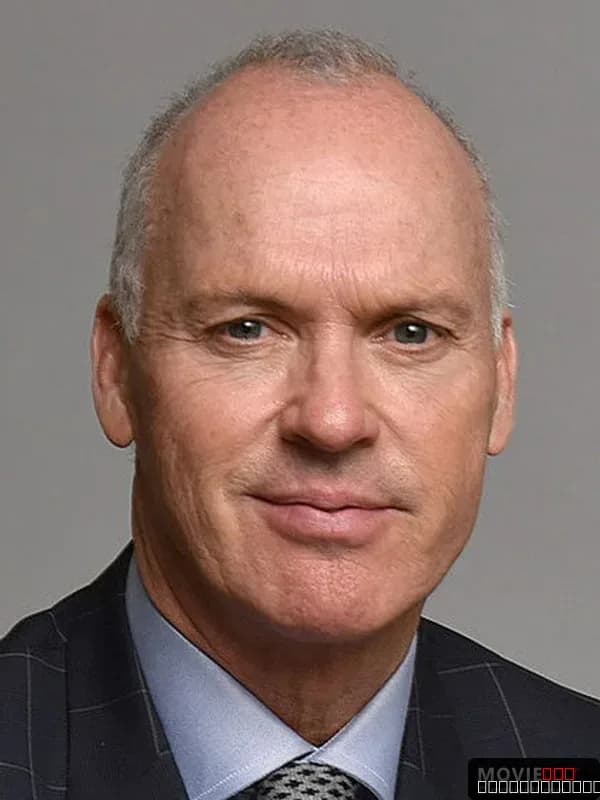
Director José Padilha inherited a monumental task: reimagining a 1987 Paul Verhoeven cult classic that had already spawned sequels and a TV series. The 2014 version assembled an impressive ensemble cast anchored by Joel Kinnaman in the title role, supported by Gary Oldman as a morally conflicted scientist, Michael Keaton as a ruthless corporate executive, and Abbie Cornish as the officer's devoted wife. That's a serious roster—actors who don't typically phone in their work. The film ran 117 minutes and earned a PG-13 rating, a choice that immediately signaled a tonal shift away from the original's R-rated brutality. Commercially, the remake pulled in $58.6 million at the box office, a respectable but not spectacular return. The critical establishment was kinder than audiences expected; it earned a Metascore of 52 and a 50% on Rotten Tomatoes—not glowing, but not a disaster either. The film picked up four wins and one nomination across various awards bodies, though nothing that registered on the major ceremony radar.
What Makes RoboCop Stand Out (and Where It Falters)
What's striking is how the 2014 version invests genuine effort in its cast performances, particularly Oldman's turn as a scientist wrestling with the ethics of his creation. He brings real conflict to a role that could've been cardboard villainy—you can see the torment in his face when he realizes what his work has become. Kinnaman, for his part, carries the weight of the suit well; there's a visible struggle in his physicality as he tries to reclaim his humanity from beneath the armor. The visual effects are undeniably polished. The suit itself looks sleek and functional, a far cry from the blocky design of 1987. The action sequences are competently choreographed and rendered without the jank you might expect from a mid-budget remake.
Here's the problem, though: the film doesn't seem to know whether it wants to satirize corporate America or just tell a straightforward revenge-tinged cop story. The original Verhoeven film was scathing, almost cartoonish in its critique of privatization and media manipulation—it was the satire. Padilha's version plays things straighter, more earnest, and in doing so loses a crucial element of what made the property sing in the first place. Audience reviews consistently note the absence of humor and psychological depth. There's no scene here that matches the dark comedy and body-horror dread of the original's most memorable moments. The film doesn't take risks. It's competent. It's slick. But slick isn't always what science fiction needs.
Where to Stream RoboCop Online
If you're looking to watch RoboCop right now, you'll find it on Netflix. The streaming availability of older theatrical releases shifts regularly, so Movie OTT keeps a live tracker of where this title and thousands of others are currently streaming—no more hunting through five apps to find what you want. The "Where to Watch" widget at the top of this page shows you exactly which platforms have RoboCop in your region, so you can start watching immediately without the guesswork. The 117-minute runtime makes it a solid evening watch, and at PG-13, it's accessible to a wider audience than the original.
Frequently Asked Questions
Q: Is RoboCop a remake or a reboot?
It's a remake of the 1987 film, though it's technically the fourth installment in the RoboCop franchise. It tells a new story with new characters rather than continuing the original's narrative, so it functions as both a remake and a soft reboot.
Q: Who directed RoboCop and why was he chosen?
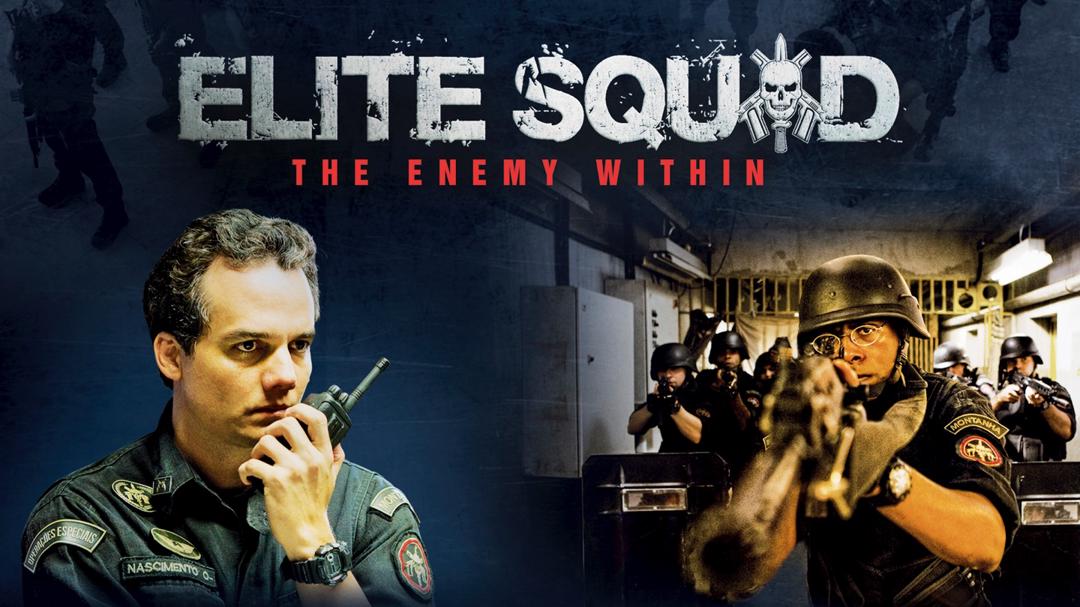
José Padilha directed the film. He was brought on after helming the acclaimed Brazilian crime thriller Elite Squad, suggesting studio confidence in his ability to handle action and institutional critique—though the final film didn't quite deliver on that promise.
Q: How does the 2014 RoboCop compare to the 1987 original?
The remake updates the visual effects and production design for modern standards, but loses much of the satirical bite and dark humor that defined Verhoeven's version. Critics and fans often note that it plays things too safe and earnest where the original was gleefully provocative.
Q: What's the MPAA rating and why is it different from the original?
The 2014 version is rated PG-13, whereas the 1987 film was R-rated. This reflects the remake's decision to tone down graphic violence and gore, making it more family-friendly but also less visceral and shocking.
Q: Where can I find current streaming availability for RoboCop?
Check the "Where to Watch" widget at the top of this page, or visit movieott.com to see all platforms currently streaming this title in your region.
Final Thoughts on RoboCop
The 2014 RoboCop isn't a bad film—it's just a cautious one. It respects the source material enough not to butcher it, yet it doesn't trust itself enough to genuinely reinvent it. The cast tries hard. The effects team delivered solid work. But somewhere between ambition and safety, the film lost its edge. If you're curious about how Hollywood approaches legacy IP, or if you want to see a competent sci-fi action film with a strong ensemble, it's worth a watch on Netflix. Don't expect it to challenge you the way the original did, though.