









What Rollerball (2002) is Really About
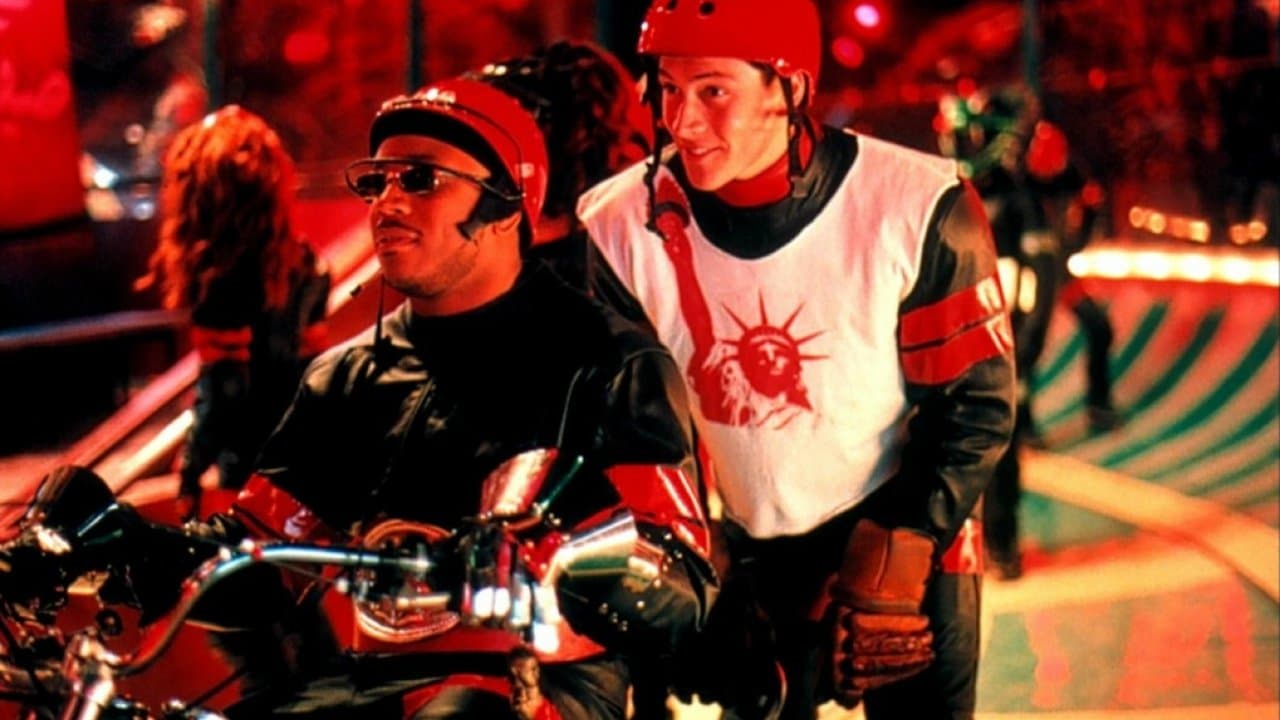
The world of Rollerball is a brutal, high-speed collision sport where three competitors—Jonathan, Marcus, and Aurora—risk everything for glory and a paycheck. It's not quite the dystopian nightmare of the original 1975 film; instead, McTiernan's version plants us in a near-future setting (the mid-2000s) where corporate sponsorship and media spectacle have transformed the game into pure, unfiltered entertainment. The plot kicks off when Jonathan and Marcus attempt to leave the sport, but the cruel and vindictive promoter Alexi Petrovich—played with menacing charm—has other plans. He'll do whatever it takes to keep them in the game, turning what should be a clean exit into a descent into coercion and danger. What's striking is how the film uses the sport itself as a pressure cooker: every match becomes personal, every lap another test of loyalty and nerve.
How Rollerball Came Together: Production, Cast, and Box Office Reality
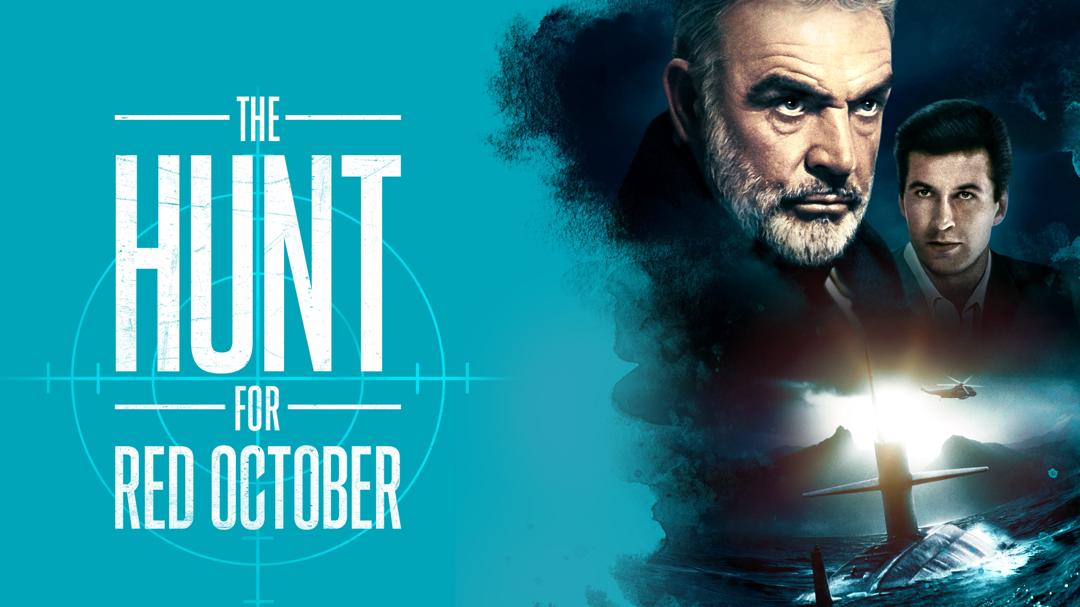
Director John McTiernan, fresh off the success of Die Hard and The Hunt for Red October, took the helm of this ambitious remake with a budget and vision that matched the original's cultural footprint. The ensemble cast brought serious pedigree—Chris Klein (Election, American Pie) anchored the lead role, while Jean Reno (The Professional, Léon) brought gravitas as a rival player, and LL Cool J added star power alongside Rebecca Romijn and Naveen Andrews. Variety reported that the production drew from multiple studios including MGM, Atlas Entertainment, and Helkon Media, reflecting the international scope of the project. At the box office, however, Rollerball stumbled; it couldn't find the audience McTiernan had hoped for, and critical response was swift and unkind. The film carries an IMDb rating of 3.9 out of 10—a harsh verdict that's stuck around for over two decades. What's curious is that despite its commercial and critical failure, Rollerball has developed a small cult following among viewers who appreciate its sheer audacity, particularly those who notice its willingness to embrace the bizarre (more on that below). The 98-minute runtime keeps things lean, never letting the pacing sag even when the narrative logic does.
Why Rollerball Doesn't Work—And Yet Somehow Fascinates
Here's the thing about McTiernan's Rollerball: it swings hard and misses badly, but the miss is interesting. The film strips away the original's sharper social commentary about corporate control and spectacle—the 1975 version had teeth about what media and profit do to human bodies and souls. This remake? It's more interested in roller-skating action sequences, pyrotechnics, and the sheer kinetic rush of bodies in motion. The performances feel caught between campy and earnest; Klein plays Jonathan with a kind of puppy-dog vulnerability that doesn't quite match the brutality surrounding him, while Reno's world-weary charisma keeps threatening to anchor scenes that don't deserve anchoring. What really gets people talking, though—and what reviewers like Gimly have flagged—is the film's experimental weirdness. There's a moment where a live Slipknot performance becomes a lynchpin of the narrative, a choice so left-field it almost feels intentional in its strangeness. It doesn't work, not really, but it's the kind of failure that makes you remember the film more vividly than if it had simply been competent and forgettable. The action choreography is undeniably energetic, even if the story around it creaks under the weight of its own silliness.
Where to Stream Rollerball Online
Rollerball is available on major OTT services, so finding it shouldn't require much hunting. The exact platforms shift based on licensing agreements, but Movie OTT maintains a current "Where to Watch" widget at the top of this page that'll show you every streaming home for this title right now—whether that's a subscription service, rental option, or free ad-supported platform. Rather than guessing which service has it this month, check that widget first; it's updated in real time so you won't waste time clicking around. If you're a subscriber to most major streaming platforms, there's a decent chance Rollerball is already in your library, lurking in the action or sci-fi sections.
Frequently Asked Questions
Q: Is this Rollerball a remake of an older film?
Yes. The 2002 version is a remake of the 1975 film of the same name, which itself was adapted from William Harrison's short story "Roller Ball Murder." While both films share the same basic premise of a dangerous sport, the 2002 version trades the original's dystopian social commentary for more straightforward action and spectacle.
Q: Who directed Rollerball (2002)?
John McTiernan directed this version. He's the same filmmaker behind Die Hard and The Hunt for Red October, so he brought significant action-filmmaking credentials to the project, even if the final result didn't meet expectations.
Q: What's the deal with the Slipknot performance everyone mentions?
There's a live Slipknot performance woven into the narrative as a significant plot moment. It's one of the film's most memorable—and confounding—choices, the kind of detail that makes Rollerball stick in people's minds for its sheer oddness rather than its storytelling.
Q: How long is Rollerball?
The film runs 98 minutes, keeping the runtime lean and the pacing brisk even when the plot logic falters.
Q: Why do people say Rollerball is so bad?
The film carries a 3.9 IMDb rating, reflecting widespread disappointment with its thin plot, uneven performances, and the disconnect between its action-movie ambitions and its half-hearted attempt at social satire. Critics felt it lost what made the original interesting.
Final Thoughts on Rollerball
Rollerball isn't a good movie—the numbers don't lie, and neither does the viewing experience for most audiences. But it's not a boring one, and that's worth something in a landscape cluttered with forgettable action films. If you're hunting for a guilty-pleasure watch or you're curious about how a big-budget remake can go so charmingly wrong, Rollerball delivers. Just go in knowing what you're getting: weird-dumb spectacle, not coherent storytelling. For those moments when you want to see how far a director will push the boundaries of taste and logic, it's oddly rewarding.