

The Story of Romeo & Juliet in Carlei's Vision
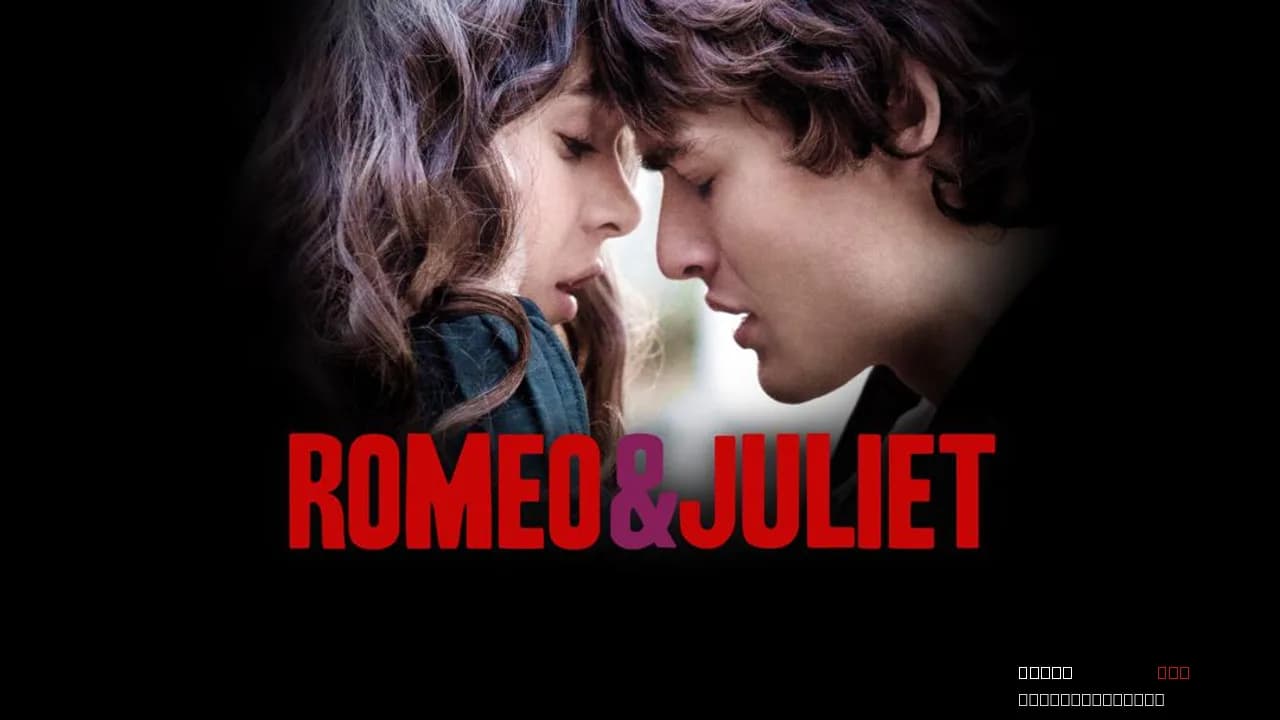
When you hear "Romeo and Juliet," you're probably picturing the 1968 Zeffirelli version or catching it in a high school English class. But Carlo Carlei's 2013 adaptation tries something different: it stays faithful to Shakespeare's plot while stripping away some of the archaic language that can feel like a barrier to modern audiences. The film opens with that iconic prologue—"Two households, both alike in dignity"—but then takes the story in its own direction, using only portions of Shakespeare's original dialogue. You're watching a tragedy about two young lovers from warring families in medieval Verona, Italy, where a chance meeting at a ball ignites a passion that their families' ancient grudge makes impossible. It's a story everyone knows how it ends, yet somehow the question of how it gets there remains compelling.
Behind the Making of Romeo & Juliet
Produced as a co-production between the United States, Italy, and the United Kingdom, this adaptation brought together a solid ensemble cast. Hailee Steinfeld, then a rising talent fresh off her Oscar nomination for True Grit, takes on Juliet opposite British actor Douglas Booth's Romeo. The supporting cast includes heavyweight names: Damian Lewis as Lord Capulet, Natascha McElhone as Lady Capulet, and Lesley Manville rounding out the family dynamics. Director Carlo Carlei, known for his work in Italian cinema, helmed the project with Julian Fellowes—the writer behind Downton Abbey—adapting the screenplay. Rated PG-13, the film was designed to reach a broader audience than typical Shakespeare adaptations. Released on October 11, 2013, in the UK and US, with an Italian release following in February 2015, the film ultimately grossed $1.2 million domestically—a modest return that suggests audiences weren't rushing to theaters for this particular take. The film earned 2 wins and 2 nominations across various award bodies, though nothing that set the industry ablaze.
What Makes Romeo & Juliet Stand Out
Here's the thing about this adaptation: it's caught between two worlds. Critics were harsh—Rotten Tomatoes gave it a 23% rating, and the Metascore of 41 reflects a broader critical consensus that something essential got lost in translation. What's striking is that the film doesn't fail because it's poorly made; it fails because it tries to modernize without fully committing to either the classical text or a bold contemporary reinvention. Steinfeld brings genuine vulnerability to Juliet, and there's real chemistry between her and Booth in their early scenes together—particularly during the balcony sequence, which the film handles with surprising tenderness. Damian Lewis, as the imperious Lord Capulet, carries a menacing weight that grounds the family feud in something darker than mere stubbornness. The cinematography captures Verona's medieval architecture beautifully, and the film doesn't shy away from the violence that underpins the narrative. Where it stumbles is in pacing and tonal consistency. Some scenes drag while others feel rushed, and the decision to use only partial Shakespeare dialogue—rather than the full text or none at all—creates a jarring disconnect that audiences and critics alike found difficult to overlook. The IMDb rating of 5.8 out of 10 reflects a viewing public that appreciated the ambition but couldn't quite embrace the execution.
Where to Stream Romeo & Juliet Online
If you're looking to watch this adaptation, Movie OTT makes it easy to track where it's currently available. As of now, Romeo & Juliet is streaming on Prime Video, so you can access it through your Amazon subscription or rent it on-demand. The film's 118-minute runtime means you're looking at just under two hours—digestible enough for a weekend viewing. Movie OTT's "Where to Watch" widget at the top of this page will show you the most up-to-date streaming availability across all major platforms, so you won't waste time hunting. If you're a Shakespeare enthusiast or just curious about how contemporary filmmakers approach the source material, Prime Video makes it accessible without requiring a theatrical commitment.
Frequently Asked Questions
Q: Who directed Romeo & Juliet (2013)?
Carlo Carlei directed the film, with a screenplay adaptation by Julian Fellowes. It was a co-production between the United States, Italy, and the United Kingdom.
Q: Is Romeo & Juliet (2013) based on Shakespeare's play?
Yes, it's an adaptation of William Shakespeare's classic tragedy. However, it doesn't use the complete original dialogue—only portions of it—which was a point of contention among critics.
Q: Who plays Romeo and Juliet in this 2013 version?
Hailee Steinfeld plays Juliet and Douglas Booth plays Romeo. The cast also includes Damian Lewis, Natascha McElhone, and Lesley Manville in key roles.
Q: What's the runtime of Romeo & Juliet (2013)?
The film runs 118 minutes and is rated PG-13, making it accessible to younger audiences interested in the classic story.
Q: How did Romeo & Juliet (2013) perform at the box office?
The film grossed $1.2 million domestically, which was considered modest given its production scale and cast.
Q: What do critics say about this version of Romeo & Juliet?
Critical reception was mixed to negative. Rotten Tomatoes gave it a 23% rating, and the Metascore was 41/100, with critics feeling the adaptation lost something essential by selectively using Shakespeare's dialogue rather than committing fully to either the original text or a complete reimagining.
Final Thoughts on Romeo & Juliet
Should you watch it? That depends on what you're looking for. If you want a visually polished, accessible entry point to the Romeo and Juliet story—one that doesn't require you to parse Early Modern English—this film delivers. Steinfeld's performance alone makes it worth ninety minutes of your time. But if you're a Shakespeare purist or someone seeking a bold, transformative adaptation that justifies its existence against decades of predecessors, you'll likely find yourself disappointed. It's neither fish nor fowl, and that's its fundamental problem. Still, it exists in that interesting space where ambition outpaced execution, which isn't nothing. Check it out on Prime Video when you're in the mood for a romantic tragedy that's easier to follow than the stage version, even if it doesn't quite soar.