

The story of Ronin: mercenaries, mystery, and moral ambiguity
Ronin follows a ragtag team of former intelligence operatives—each with their own shadowy past and uncertain allegiances—who are hired to pull off a dangerous heist. The target: a heavily guarded briefcase bound for the Russians, the contents unknown. What unfolds is a cat-and-mouse game where nobody trusts anybody, and the briefcase becomes less important than figuring out who's actually working for whom. The setup is deceptively simple, but the execution becomes a maze of double-crosses, misdirection, and the kind of paranoia that defined the Cold War's dying days. There's no clear hero here, just operatives trying to survive long enough to cash their paychecks—and maybe walk away with more than they came in with.
Behind the making of Ronin: cast, production, and legacy
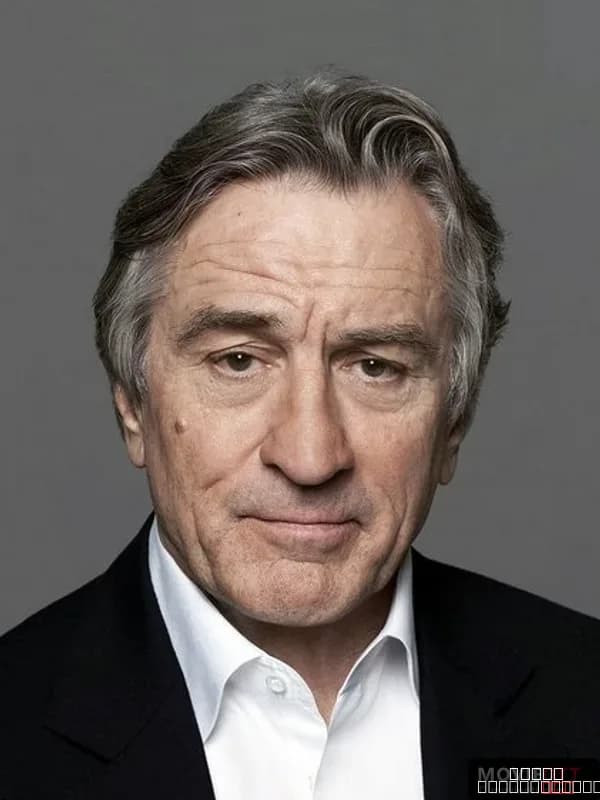
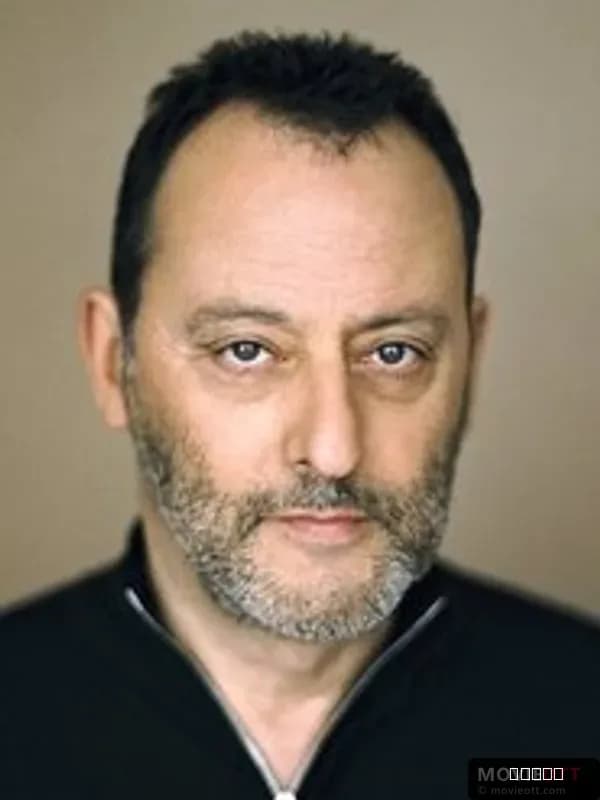
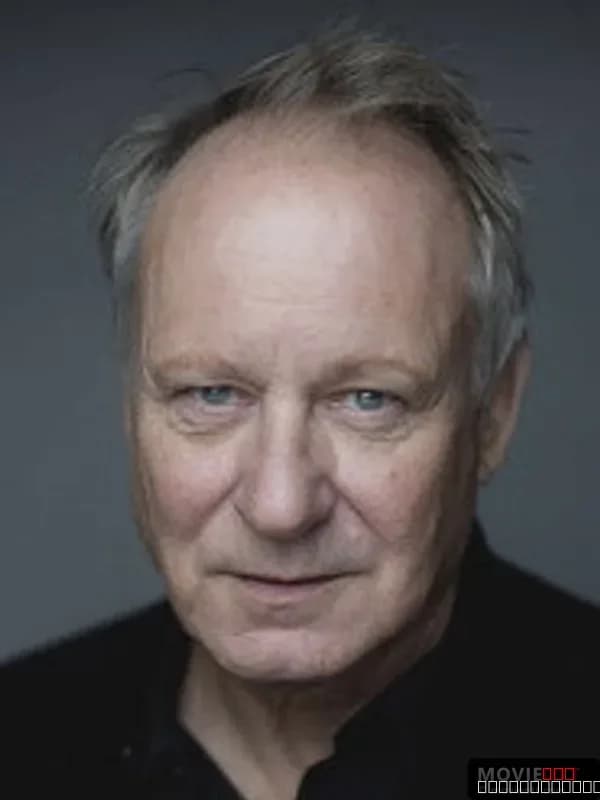
Director John Frankenheimer, a legend in the thriller genre (having helmed Birdman of Alcatraz and The Manchurian Candidate), brought his meticulous eye to this 1998 production. The ensemble cast reads like a spy-thriller dream team: Robert De Niro as the calculating Sam, Jean Reno as the volatile Vincent, Stellan Skarsgård as the mysterious Gregor, Sean Bean as the ambitious Spence, Jonathan Pryce as Seamus, and Natascha McElhone as the enigmatic Deirdre who brings them all together. The 121-minute runtime allows Frankenheimer to build character and tension rather than rush through set pieces—a luxury modern action films rarely afford themselves. The screenplay came from John David Zeik and David Mamet (writing under the pseudonym Richard Weisz), which means you're getting a script that values dialogue and motivation alongside explosions. While Ronin didn't become a massive box office phenomenon, it found an appreciative audience and earned a solid 7.1 rating on IMDb, cementing its status as a thinking person's action film. The production spanned both the United Kingdom and the United States, with location shooting that gives the film a grounded, international flavor.
What makes Ronin stand out: craft, performances, and the car chase that changed everything
Here's what's striking about Ronin: it's a film that refuses to let you settle into comfort. The ensemble cast—particularly De Niro and Reno's cat-and-dog dynamic—creates tension through glances and silences as much as through dialogue. De Niro brings his trademark cool professionalism to Sam, a character who's always thinking three moves ahead, while Reno's Vincent is all coiled energy and unpredictability. What the film does brilliantly is make you question everyone's motives, including your own assumptions about who the real antagonist is. The cinematography is genuinely excellent, capturing the European locations with a cool, almost film-noir palette that suits the morally ambiguous subject matter. But let's be honest—the thing people actually remember from Ronin is the car chase. Filmed through the streets of Nice with practical stunts (no CGI shortcuts here), it's a sequence that still holds up. It's visceral, it's dangerous-looking, and it doesn't stop for exposition. That's not to say the entire film is pacing perfection; some viewers find the middle section a bit slow, more concerned with character revelation than momentum. But that's also what separates Ronin from the standard action template. It wants you to understand these people before it destroys them.
Where to stream Ronin online
If you're ready to revisit this 1998 classic or discover it for the first time, you can currently stream Ronin on Prime Video. The film's available-now status makes it easy to jump in whenever you want—no waiting for it to cycle back into rotation. Movie OTT tracks current streaming availability across all major platforms, so you can always check where Ronin is living at any given moment. Since streaming rights shift regularly, the widget at the top of this page shows you the most up-to-date information on where you can watch it right now. Prime Video's picture quality is solid for a film of this era, and the runtime means you can finish it in a single sitting if you're so inclined.
Frequently asked questions
Q: Who directed Ronin and what's his track record?
John Frankenheimer directed Ronin; he's a veteran filmmaker known for psychological thrillers like The Manchurian Candidate and Birdman of Alcatraz. He brought that same meticulous, character-focused approach to this 1998 espionage film.
Q: Is Ronin based on a true story?
No, Ronin is an original screenplay written by John David Zeik and David Mamet (under the pseudonym Richard Weisz). While it captures the paranoia and moral ambiguity of Cold War-era espionage, the plot and characters are fictional.
Q: What makes the car chases in Ronin so memorable?
The chases, particularly the famous Nice sequence, were filmed with practical stunts and real vehicles rather than heavy reliance on CGI. This gives them a visceral, dangerous quality that still feels authentic nearly three decades later.
Q: Can I watch Ronin with my kids?
Ronin is rated for mature audiences due to violence and language. It's not a family film—it's designed for adults who appreciate espionage thrillers with moral complexity and edge.
Q: How long is Ronin?
The film runs 121 minutes, which gives director Frankenheimer plenty of time to develop character and build tension without rushing through the plot.
Final thoughts on Ronin
Ronin isn't a perfect film—it's got pacing issues and moments where the plot gets a bit too tangled for its own good. But it's the kind of movie that rewards your attention and respects your intelligence. The cast is phenomenal, the locations are gorgeous, and when it hits, it really hits. If you're tired of action films that treat you like you're checking your phone (and honestly, fair), Ronin's the kind of thriller worth rediscovering. It's currently available on Prime Video, so there's no barrier to giving it a shot.