The Story of Sabrina: From Paris to the Hamptons
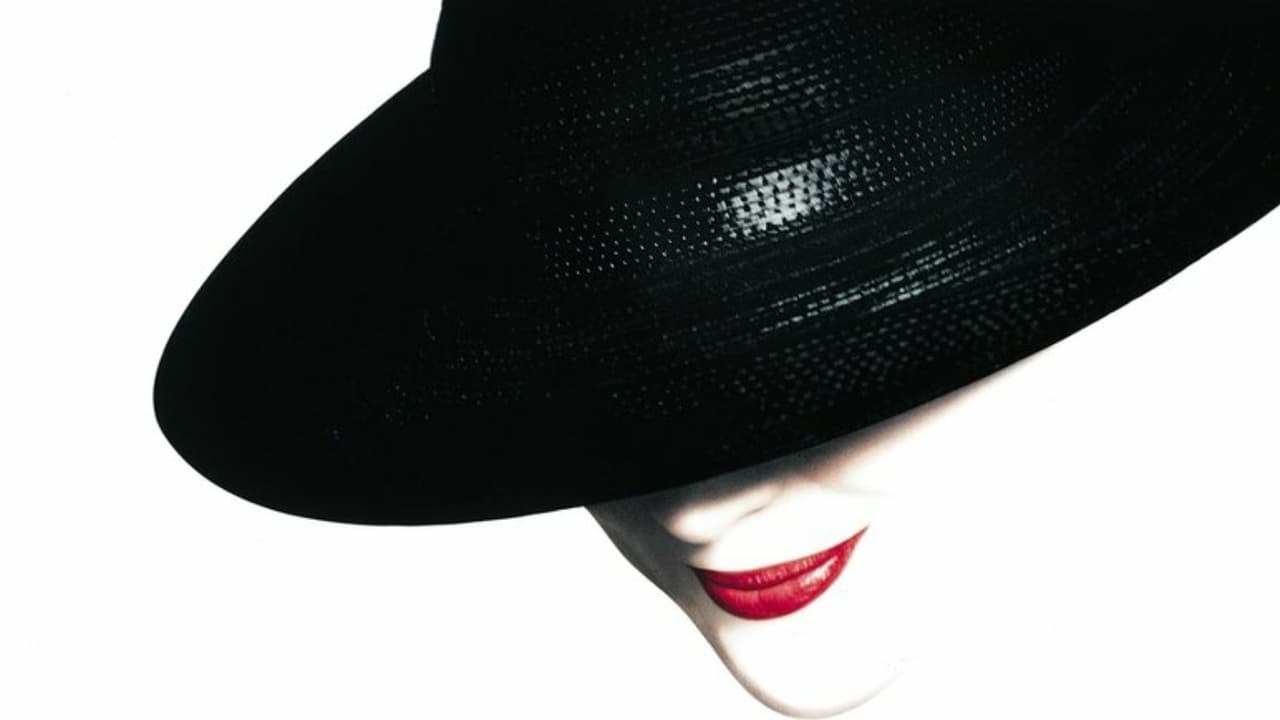
Sabrina opens on a woman transformed. After years studying in Paris, the chauffeur's daughter returns home with a new wardrobe, a new accent, and a new confidence—all of which immediately catches the eye of David Larrabee, the playboy heir of a wealthy manufacturing dynasty. What David doesn't realize is that Sabrina's been nursing a crush on him since childhood. But when his more serious older brother Linus—the one who actually runs the family business—sees what's happening, he warns David away. The irony cuts deep: Linus fears David will toy with Sabrina's affections, yet as their story unfolds, the real question becomes which brother she'll actually choose. You're cordially invited to the most surprising merger of the year, as the tagline promises—and what begins as a simple romantic setup spirals into something far more complicated and human.
Behind the Making of Sabrina: Pollack, Ford, and the Weight of Remaking Wilder
Director Sydney Pollack took on an enormous challenge in 1995: remaking Billy Wilder's 1954 classic, which itself was adapted from the 1953 play Sabrina Fair. Wilder's version, starring Audrey Hepburn and Humphrey Bogart, is the kind of film that doesn't invite remakes—it's too perfect, too perfectly of its moment. Yet Pollack and screenwriters Barbara Benedek and David Rayfiel believed the story had room to breathe in a new decade, with fresh casting and a contemporary sensibility. The production brought together an impressive roster of talent: Julia Ormond in the title role, Harrison Ford and Greg Kinnear as the Larrabee brothers, supported by Angie Dickinson, Richard Crenna, Nancy Marchand, and the luminous Fanny Ardant. Paramount Pictures, along with Constellation Films, Mirage Enterprises, and Scott Rudin's production company, backed the 127-minute film. The runtime gives Pollack room to linger on the Hamptons setting, the business intrigue, and the emotional stakes—this isn't a quick romp. At the box office and with critics, the film proved divisible; it earned a respectable 6.21 rating on IMDb, a score that reflects its position as a solid entertainment that doesn't quite transcend its source material.
What Makes Sabrina Stand Out: The Performances and the Unresolved Tension
What's striking about Sabrina isn't that it's better than the original—it isn't, and it doesn't pretend to be. Rather, it's that Pollack's film works because it commits fully to its three leads and their contradictory desires. Harrison Ford, who'd spent the late 80s and early 90s playing action heroes, brings a weariness to Linus that's genuinely compelling; he's not the romantic hero, he's the guy who's sacrificed romance for responsibility, and watching him crack is the film's real emotional arc. Greg Kinnear's David is charming but hollow in ways the script doesn't always acknowledge—and that's the point. Julia Ormond carries the film with a grace that doesn't quite match Hepburn's iconic lightness, but she brings something rawer, more vulnerable. The thing that lingers, honestly, is how the film never quite resolves whether Sabrina's transformation is empowering or just another form of performance. She goes to Paris, becomes sophisticated, and returns to seduce a man who never saw her before—and we're meant to celebrate this. But there's a shadow underneath, a question the film dances around rather than confronts.
What works best are the quieter moments: a conversation over champagne, the way Linus watches Sabrina across a room, the slow realization that charm and duty aren't always at odds. Pollack was a director who understood intimacy, and his camera lingers on faces and gestures in ways that feel earned rather than imposed. The Hamptons locations gleam with old money and old secrets, and the supporting cast—Dickinson as the matriarch, Crenna as the aging playboy—adds texture that could've been mere decoration but instead feels lived-in.
Where to Stream Sabrina Online
Sabrina is currently available on major OTT services, and you can check the where-to-watch widget at the top of this page to see which platform has it in your region right now. Streaming availability shifts seasonally, so Movie OTT tracks current placements across Netflix, Prime Video, and other major services—it's worth bookmarking if you're the type who likes to know exactly where a film lives before you settle in to watch. The 127-minute runtime means it's a solid evening commitment, so planning ahead helps.
Frequently asked questions
Q: Is Sabrina a remake, and how does it compare to the original?
Yes, it's a 1995 remake of Billy Wilder's 1954 Sabrina, which was based on the play Sabrina Fair. While Pollack's version is competent and entertaining, most critics and audiences agree the original remains superior—though this version has its own merits, particularly in the performances and its willingness to update the social context.
Q: Who directed Sabrina, and what's his filmography like?
Sydney Pollack directed it. He was known for character-driven dramas and romantic films like Out of Africa (which won Best Picture) and Tootsie. He brings that same attention to emotional nuance to Sabrina, though the material doesn't quite give him as much to work with.
Q: What's the runtime, and is it worth the commitment?
At 127 minutes, it's a leisurely film that takes its time with scenes and settings. Whether it's worth your time depends on your tolerance for romantic drama that doesn't always justify its length, though fans of the cast will find it rewarding.
Q: Why was Sabrina remade, and did audiences want this?
Producer Scott Rudin and the studios believed the story was timeless enough to warrant a contemporary retelling. Audience reception was mixed—it's a film people respect more than they love, which is often the fate of remakes of classics.
Q: Is Sabrina appropriate for family viewing?
The film is a romantic drama with some mild language and adult themes, but nothing explicit. It's suitable for older teens and adults who enjoy character-driven romance.
Final Thoughts on Sabrina
Sabrina doesn't break new ground, and it doesn't need to. What it does is deliver a handsome, well-acted romantic drama that understands the appeal of transformation and the cost of ambition. Ford's performance alone—a man slowly undoing the armor he's built—justifies watching. It won't replace the original in anyone's heart, but it's not trying to. Sometimes a film just wants to be elegant, entertaining, and occasionally moving. That's enough.