







The story of Sahara: Isolation and survival in wartime
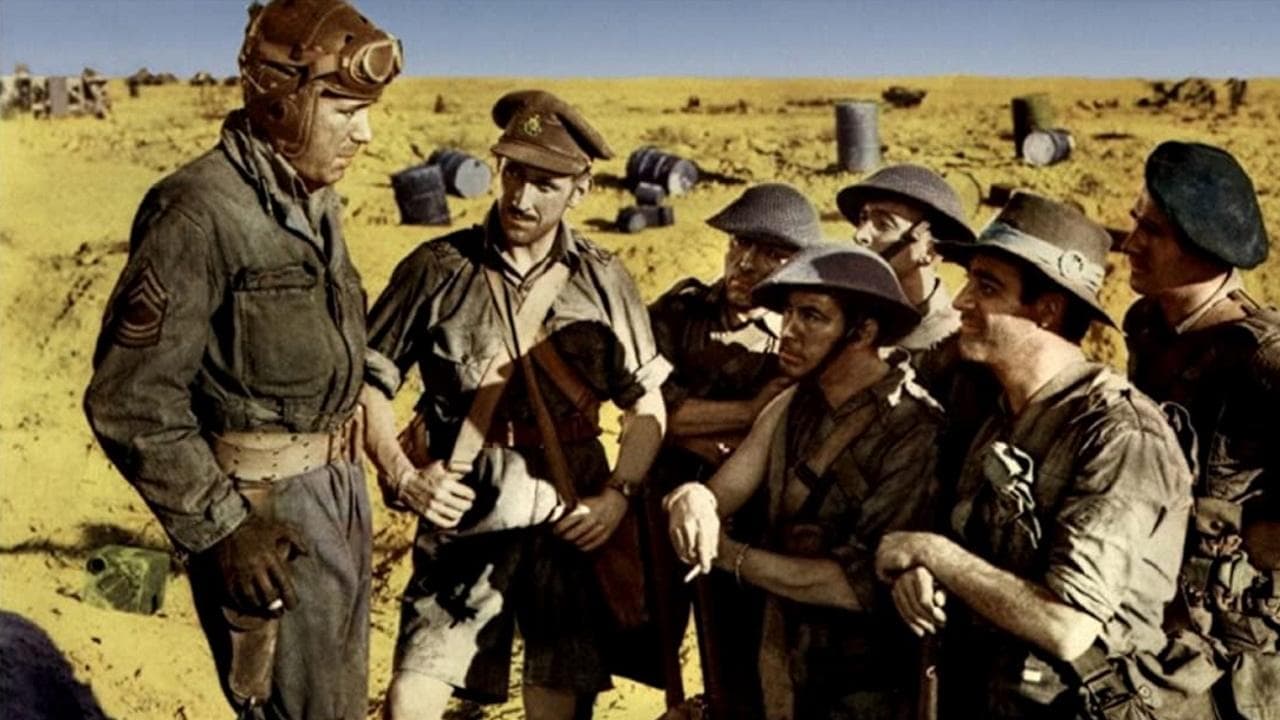
Sahara isn't your typical war film. It's a survival story compressed into 97 minutes of tension, set against one of the world's harshest environments. An American tank commander and a handful of Allied soldiers find themselves stranded at an isolated well in Libya, tasked with an impossible job: defend their position and its limited water supply against an entire German Afrika Korps battalion bearing down on them. The premise is deceptively simple, but what unfolds is a study in desperation, loyalty, and the human will to endure when retreat isn't an option. The film strips away grand strategy and focuses instead on the raw mechanics of survival—how men behave when they're outnumbered, thirsty, and running out of time.
Behind the making of Sahara: Columbia's wartime gamble
Columbia Pictures released Sahara in 1943, right in the thick of America's involvement in World War II, when audiences were hungry for stories that reflected the battles being fought overseas. The studio assembled a solid cast and crew determined to capture the authenticity of the North African campaign, which had concluded just months before production wrapped. The film arrived during a golden age of Hollywood war pictures—a moment when studios saw these films as both entertainment and morale-boosters. While Sahara didn't become a box-office juggernaut that instantly defined the era, it earned respect from critics and audiences alike, and it's maintained a respectable 7.2 rating on IMDb, which speaks to its durability across decades. The 97-minute runtime keeps the action lean and purposeful; there's no fat here, no unnecessary subplots diluting the central conflict. The cast brought credibility to their roles—these weren't marquee names phoning it in, but solid character actors and supporting players who understood the weight of the material. Variety and other trade publications of the time recognized it as a competent, well-crafted effort that honored the seriousness of its subject matter without becoming preachy or overly sentimental. Movie OTT tracks films like this one—wartime dramas that have aged well—across multiple streaming platforms, making them accessible to new generations who might otherwise miss them.
What makes Sahara stand out: Tension without spectacle
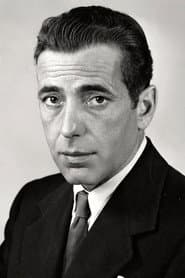
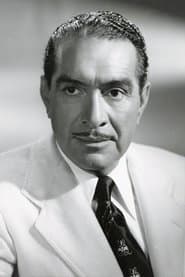
What's striking about Sahara is how it achieves genuine tension without relying on the kind of production spectacle modern war films demand. There's no sweeping orchestral score telling you when to feel afraid—instead, the dread builds from the situation itself. The well becomes a character. The heat becomes an antagonist. And the dwindling water supply? That's the clock ticking louder than any dramatic music cue ever could. The performances anchor everything. You can see exhaustion and fear in the actors' faces; they're not delivering speeches about heroism, they're grappling with fear, doubt, and the strange camaraderie that forms when men face certain death together. One scene in particular—I won't spoil it—captures the moment when hope starts to crack, and the actor's eyes tell the entire story without a word. The film doesn't shy away from showing how desperation can fracture a unit, how discipline erodes under pressure, how the line between courage and panic blurs when you're outnumbered ten-to-one. That's what separates Sahara from propaganda: it's honest about the mess of war, the confusion, the moral compromises soldiers make to survive. Critics at the time recognized this unflinching approach—not glorifying combat, but documenting its psychological toll. The desert cinematography, meanwhile, is stark and unforgiving. There's beauty in those wide shots of sand and sky, but it's a hostile beauty that reinforces how small and vulnerable these men really are.
Where to stream Sahara online: Availability across major platforms
Sahara is currently available on major OTT services, and you can check the Where to Watch widget at the top of this page to see exactly which platforms are streaming it in your region right now. Streaming availability shifts regularly—titles move between services, licensing agreements expire and renew—so Movie OTT's real-time tracking helps you avoid the frustration of searching for a film only to discover it's no longer where you expected it. Whether you're a classic war film enthusiast or someone discovering 1943 cinema for the first time, the good news is that Sahara isn't locked behind a paywall at a single service. It's been recognized as a piece of cinema worth preserving and distributing, which is why you'll find it on platforms committed to maintaining libraries of older, significant films. Streaming has democratized access to films like this—once, you'd need to hunt through video rental stores or wait for a late-night TV broadcast to see it. Now it's a few clicks away.
Frequently asked questions
Q: Is Sahara based on a true story?
Sahara is inspired by real events from the Western Desert Campaign of World War II, though the specific narrative—the well, the battalion, the unit composition—is fictionalized for dramatic effect. The historical setting and the general conditions soldiers faced are authentic, but the film takes creative liberties with the specific story.
Q: Who directed Sahara and what else have they made?
The film was directed by Zoltán Korda, a Hungarian-born filmmaker who worked extensively in Hollywood and became known for adventure and war pictures. He brought a documentarian's eye to the material, prioritizing realism over melodrama, which shaped the film's grounded tone.
Q: How long is Sahara, and can I watch it in one sitting?
Sahara runs 97 minutes, making it a tight, efficient war drama that you can absolutely watch in a single sitting. That runtime works in the film's favor—it keeps the tension high and doesn't overstay its welcome.
Q: What's the Sahara Desert like, and does the film capture it accurately?
The Sahara is the world's largest hot desert, spanning over 9 million square kilometers across North Africa. While the film was shot in California rather than Libya itself, the cinematography does convey the Sahara's scale, heat, and desolation—that sense of being stranded in an environment that doesn't care whether you live or die.
Q: Is Sahara appropriate for younger viewers?
Sahara is a war film from 1943, so it contains combat violence and themes of death, though nothing graphic by modern standards. It's suitable for older teens and adults interested in WWII history and classic cinema, though younger children might find it slow-paced compared to contemporary action films.
Final thoughts on Sahara: A film worth rediscovering
Sahara deserves to be watched. Not because it's a masterpiece that changed cinema—it isn't—but because it's a solid, honest piece of filmmaking that captures something true about war and human endurance. It doesn't preach, doesn't manipulate, doesn't ask you to cheer. It simply shows you men in an impossible situation and lets you sit with that reality for 97 minutes. In an era when war films often swing toward either jingoism or heavy-handed anti-war messaging, Sahara's quiet pragmatism feels almost radical. If you're looking for a classic war drama that doesn't require three hours of your time, or if you're exploring 1940s cinema, this is the kind of film that rewards your attention. Stream it tonight.