







The story of Samurai: A doctor's double life
Samurai tells the story of Thiyagu, a doctor by day who moonlights as the masked leader of a four-person gang with a very specific target: corrupt politicians and bureaucrats who've learned to game the legal system. These officials exploit loopholes that let them serve their prison sentences in hospitals or guest houses instead of actual cells—a genuine frustration with Indian institutional corruption that gives the film its moral spine. What complicates Thiyagu's vigilante mission is Deiva, a schoolgirl and daughter of a police officer hot on the gang's trail, who's developed a crush on him without knowing his true identity. It's the kind of dramatic irony that could've been handled with real finesse, but instead becomes one of the film's more awkward threads—a romance built on deception that the script never quite figures out how to make us care about.
Behind the making of Samurai: Vikram, Harris Jayaraj, and a directorial debut
Samurai marked the feature directorial debut of Balaji Sakthivel, who wrote and directed the film with the backing of producer S. Sriram. The real draw was casting Vikram, already an established name in Tamil cinema, in the title role—a choice that signaled ambition. The cinematography came from Sethu Sriram, and the music was scored by Harris Jayaraj, whose work would go on to define Tamil cinema's sound for the next two decades. That pedigree on paper looks strong. The runtime clocks in at 160 minutes, which is substantial even by Tamil film standards of the era, suggesting Sakthivel had a lot to say. The film arrived in 2002, a year when Tamil action cinema was beginning to experiment with slicker production values and more ambitious narratives. Box office returns weren't blockbuster territory, and the film didn't rack up major awards, but it found its audience on home video and later on streaming platforms. What's worth noting is that this wasn't a runaway success story—it was a credible attempt by a first-time director working with solid talent that didn't quite break through to mainstream acclaim.
What makes Samurai stand out: Vikram's commitment and the muddled moral core
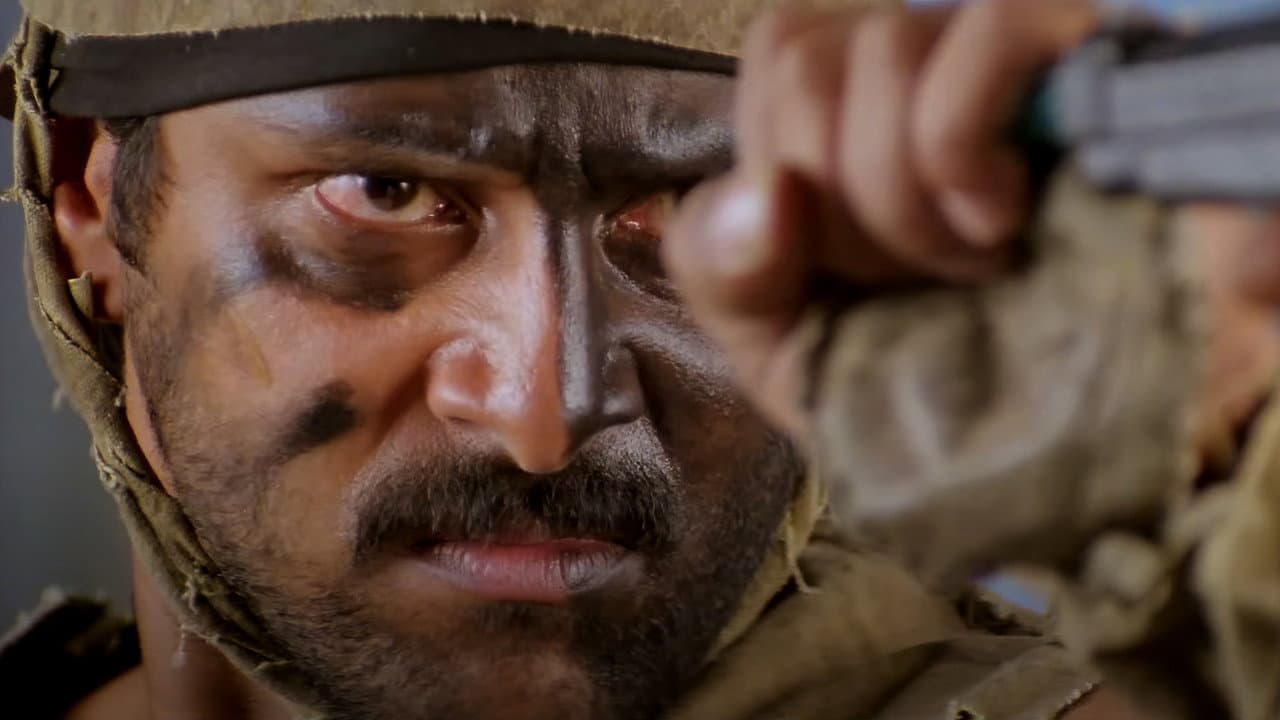
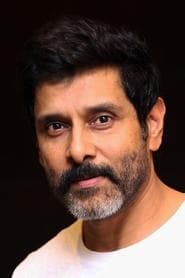
Vikram's performance is probably the film's strongest asset. He commits fully to the dual role—the measured, compassionate doctor and the steely, action-ready vigilante—and there's a real physicality to his work that you can't fake. The action sequences have energy, and Jayaraj's score does its job in amplifying tension. What's striking is how the film wrestles with a genuinely interesting premise but doesn't quite know what to do with it. The vigilante angle could've been a sharp commentary on institutional failure, but instead it drifts into melodrama, particularly once Deiva's romantic subplot takes center stage. The 160-minute runtime becomes a liability here—there's padding, repetition, and scenes that feel like they're spinning wheels rather than building toward something. I keep coming back to the central question the film never answers cleanly: are we supposed to root for Thiyagu's methods, or are we watching a cautionary tale about the dangers of taking justice into your own hands? The script seems unsure, which leaves viewers in an uncomfortable middle ground. Anita Hassanandani as Deiva is fine in the role, but the character itself is undercooked, a plot device more than a fully realized person. The action itself—when it comes—doesn't disappoint. There's a kinetic quality to the fight choreography and the abduction sequences that shows Sakthivel understood how to stage spectacle, even if he couldn't quite orchestrate the emotional beats.
Where to stream Samurai online
Samurai is available on major OTT services, and you can check the "Where to Watch" widget at the top of this page to see which platforms currently carry it in your region. Movie OTT tracks streaming availability across services, making it easy to find where the film is actually accessible right now rather than hunting through multiple apps. The 160-minute runtime means you'll want to carve out some dedicated time—it's not a quick watch. Since streaming rights shift regularly, it's worth confirming availability before you settle in, especially if you're planning to watch it with others.
Frequently asked questions
Q: Who directed Samurai?
Samurai was written and directed by Balaji Sakthivel in his feature directorial debut. He was supported by producer S. Sriram and a crew that included cinematographer Sethu Sriram and composer Harris Jayaraj.
Q: What's the IMDb rating for Samurai?
Samurai holds a 5.9/10 rating on IMDb, reflecting mixed audience reception. It's a film that has its defenders but also its detractors, which is fairly typical for ambitious debut films that swing for the fences.
Q: How long is Samurai?
The film runs 160 minutes, which is just under two hours and forty minutes. That's a considerable commitment, so you'll want to make sure you've got the time and attention span set aside.
Q: Is Samurai based on a true story?
No, Samurai is a fictional vigilante thriller. However, the premise—corrupt officials exploiting legal loopholes—is rooted in real institutional frustrations that existed (and still exist) in India's legal system, which gives the story a sense of authenticity even though the characters and plot are invented.
Q: Where can I watch Samurai right now?
You can find current streaming availability by checking the "Where to Watch" widget on this page. Major OTT services carry it, but availability varies by region and can change, so it's best to verify before you start watching.
Final thoughts on Samurai: A flawed but earnest action thriller
Samurai isn't a perfect film—it's bloated in places, narratively confused in others, and it doesn't quite justify its 160-minute runtime. But there's something to be said for a debut director who swings hard and lands some of the punches, even if not all of them. Vikram's commitment carries the film through its rougher patches, and the action sequences have a scrappy energy that's oddly appealing. If you're into Tamil action cinema or curious about Vikram's earlier work, it's worth a look. Just don't expect a masterpiece. It's a middling thriller that's occasionally inspired and frequently frustrating—which, honestly, makes it more interesting than something polished and forgettable.