Scarlet Girls: What Dominican Women Are Saying Now That a Film Finally Let Them Speak
Scarlet Girls is a 70-minute documentary released in 2026 that puts the voices of Dominican women front and center — women talking openly about forced pregnancy and clandestine abortion in a country where abortion is criminalized without a single exception. Not for rape. Not for life-threatening complications. Not for anything. What the film does in those 70 minutes is let you hear what that reality actually sounds like.
This isn't abstract policy talk. It's women describing the specific silence of waiting to see if a procedure worked. It's the weight of carrying a pregnancy you never chose. It's the risk you take just by speaking about it now.
Why This Documentary Matters Right Now — and Why It Took Courage to Make
The Dominican Republic maintains one of the strictest abortion bans in the Western Hemisphere. A 2009 constitutional amendment locked it into place — alongside El Salvador and Nicaragua in terms of legal severity. That's not background noise. That's the legal reality every woman in this film is living inside.
Here's what's striking: the filmmakers didn't chase global trends or reach for a generalized statement about reproductive rights everywhere. They stayed specific. Dominican women. Dominican law. Dominican risk. That specificity is what makes the film land.
The production itself — a co-production between Cristal Cine, Disruptiva Films, and Parabellum Film — has roots in Latin American independent cinema. Hard to say if they had a smooth path finishing this one, given how sensitive the subject is politically. But the finished film shows careful, unhurried craft. The kind that signals a team that knew exactly what they were making and why it mattered.
As of now, Movie OTT hasn't posted major festival awards or ratings for the 2026 release yet — that's just what happens with new documentaries still finding their audience. The site tracks that data as it comes in, so check back if you're curious about critical consensus.
The Filmmaking: How to Tell Stories Without Trauma Tourism
What's striking is how the film earns its emotional weight without ever feeling exploitative. Documentary filmmakers working on reproductive rights subjects can fall into a trap — the testimony becomes so harrowing that the women on screen start to feel like exhibits rather than narrators. Scarlet Girls doesn't do that.
The women here are clearly in control of what they're sharing and how much. That distinction matters because it's the difference between bearing witness and being used.
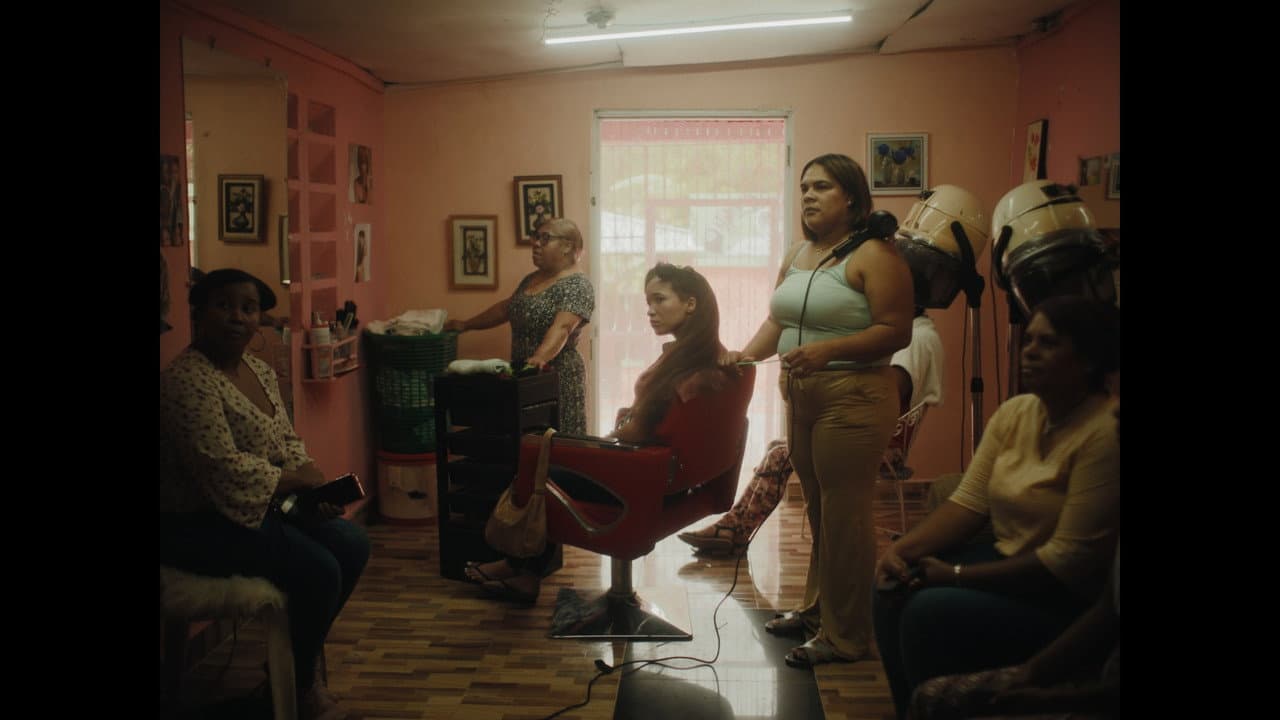
The imagery is worth noting separately. Rather than illustrative footage that literally mirrors what's being said, the visuals work at an oblique angle — landscapes, domestic spaces, hands, light through windows — creating breathing room so the testimonies land without being overwhelmed. One sequence in particular, where a woman describes the specific silence of waiting to see if a clandestine procedure had worked, plays against footage of an empty street at dusk. It doesn't explain itself. It doesn't need to. You feel it instead.
The 70-minute runtime is a deliberate choice that pays off. No padding. No expert panel to contextualize what you've already understood from the women themselves. Movie OTT's editorial team noted that this kind of restraint is increasingly rare in documentary — streaming platforms have historically pushed for longer runtimes to justify placement. That Scarlet Girls holds its shape at exactly 70 minutes says something about the filmmakers' confidence in their material. They trusted it.
Honestly, the thing nobody mentions enough about films like this is how much courage it takes for the subjects — not just the filmmakers — to participate. These women are speaking about illegal acts in a country where those acts remain illegal. That context hangs over every frame.
Where to Watch Scarlet Girls — and How to Find It in Your Region
Scarlet Girls is currently available on major OTT services. The where-to-watch widget above shows exact platforms in your region right now, since availability shifts depending on territory and licensing windows.
If the film has landed in your market, watch it in one sitting. The 70-minute runtime makes that easy, and the film genuinely benefits from uninterrupted attention. No phone. No pausing to fact-check the policy context. Just listen.
Movie OTT tracks current streaming availability across platforms so you don't have to check each service manually — the widget updates automatically when new deals are confirmed or when titles rotate off. If Scarlet Girls isn't yet available where you are, it's worth checking back, since international rollouts for documentaries often follow festival circuit timing.
Should You Watch Scarlet Girls? (Yes, But Here's Why)
This is essential viewing if you care about documentary filmmaking, reproductive rights, Latin American cinema, or films that trust their audience to sit with difficult truths. It's not an easy watch — but it's not punishing either. The filmmakers respected both their subjects and their viewers.
At 70 minutes, there's no excuse not to find the time.
If you've watched documentaries like Never Rarely Sometimes Always or The Sentence — films about women's bodily autonomy and the costs of criminalization — Scarlet Girls speaks to the same urgent conversation, but from a different geography and with its own distinct voice.
FAQ
Q: How long is Scarlet Girls?
A: 70 minutes. Tight. No filler. Watch it in one sitting.
Q: What's it actually about?
A: Real women from the Dominican Republic sharing their own experiences with forced pregnancy and clandestine abortion. These aren't dramatizations — they're first-person testimonies from the women themselves.
Q: Why does the Dominican Republic setting matter?
A: The country has maintained a total ban on abortion — with zero exceptions — since 2009. That legal reality is central to why these women took personal risk to share their stories, and it's what gives the film its urgency.
Q: Where can I stream it?
A: Check the where-to-watch widget at the top of this page for real-time availability in your region. Streaming rights vary by territory, but it's rolling out across major platforms.
Q: Who made this?
A: Cristal Cine, Disruptiva Films, and Parabellum Film co-produced it. Released in 2026.
Q: Is it heavy?
A: Yes. But the filmmakers handle the material with restraint and respect. It's not gratuitous.
Next step: Find it on your preferred streaming service using the widget above. Set aside 70 minutes. Then sit with what you've heard.