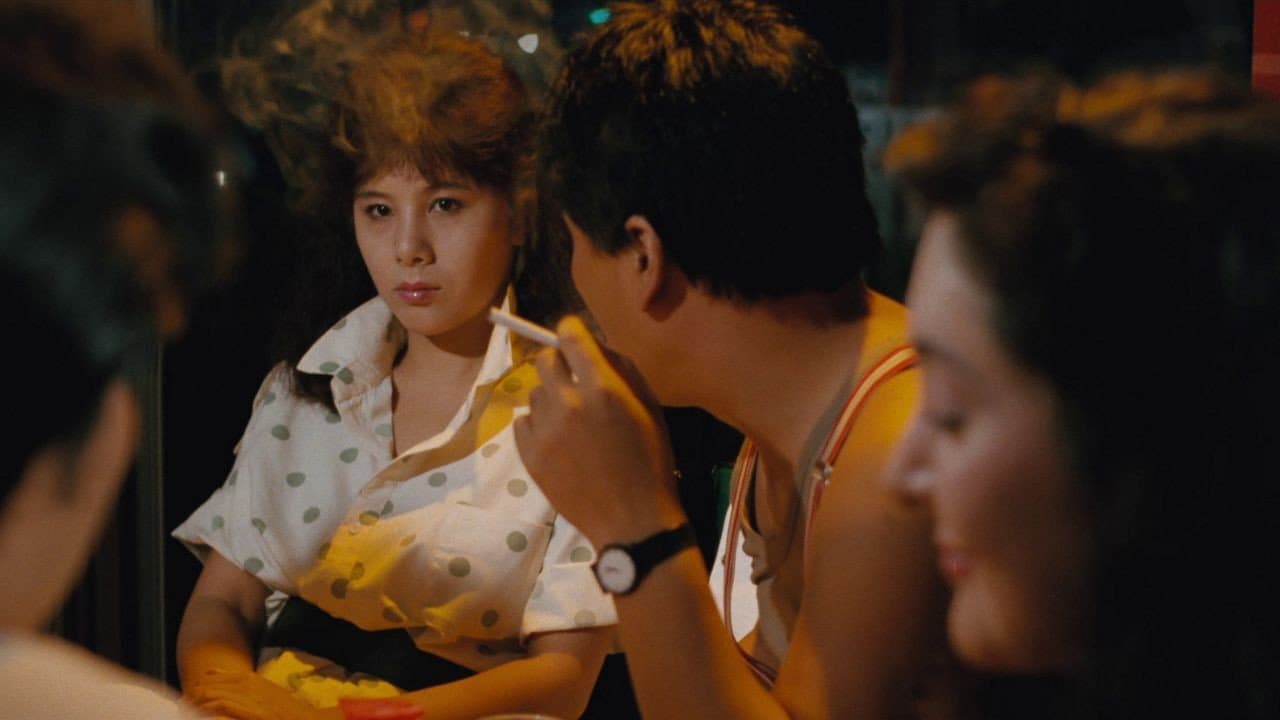









Scent of a Spell
Here's what you need to know fast: A 1985 Japanese psychological thriller about a man who saves a woman from suicide, only to discover her violent past slowly poisons their relationship. Dark, patient, and bleak — not for everyone, but worth tracking down if you like slow-burn character studies. Currently available on major streaming platforms (check Movie OTT for real-time availability in your region).
What actually happens in this film
A young man finds a woman on the edge — literally about to jump — and pulls her back. What follows isn't rescue fantasy. It's something messier: two strangers whose lives tangle in ways neither planned, and the relationship gradually tips from shelter into something far more dangerous.
The film doesn't rush. Director Toshiharu Ikeda lets dread accumulate scene by scene — jealousy creeping in, crime following, the ending refusing to offer comfort. What's striking is how little the film relies on genre mechanics. There's no ticking clock, no procedural structure. The threat is almost entirely psychological — the slow realization that he doesn't fully understand the woman he's protecting, and that his obsession with her is clouding his judgment in ways he can't see.
Takashi Ishii's screenplay (adapted from a novel by Shoji Yuki) has the structural patience of literary fiction — it builds character through accumulation, not incident. That shapes how you watch this. Don't go in expecting a fast-moving crime thriller.
The 1985 moment that made this film possible
Released December 27, 1985, Scent of a Spell came from an unusual collaboration: Nikkatsu Corporation — the legendary studio that basically invented Roman Porno — partnered with Directors Company, a production outfit that gave filmmakers rare creative freedom for the era. That combination explains the film's texture: it has the frank sensuality and moral ambiguity of exploitation cinema, but it's genuinely invested in character psychology in a way pure genre exercises rarely are.
Ishii would later direct Freeze Me (2000), another dark, stylized thriller. Here, though, he's adapting someone else's novel — which shows. The source material lends structural patience that separates this from typical studio product.
Cast: Mari Amachi (carrying the film's emotional weight), Johnny Ōkura, and Yuki Kazamatsuri. Amachi's performance as the woman with the violent past is restrained, which makes her rare moments of vulnerability hit harder.
The film currently holds a 5.2/10 on IMDb from just over 100 users — which honestly feels like a niche-but-loyal audience rather than a broad consensus. No Rotten Tomatoes entry exists. No major awards. This is the kind of title that spent decades circulating among specialty distributors and genre enthusiasts, not mainstream platforms.
Why the direction matters more than you'd expect
Ikeda's control is precise without feeling cold. He knows when to hold on a face and when to cut away. The film's visual grammar — muted interiors, persistent claustrophobia — does real work communicating emotional state. The neo-noir influences are visible but not showy. Think less neon-drenched stylization and more the suffocating quiet of a Douglas Sirk melodrama gone wrong.
The scene where the protagonist discovers the extent of the woman's bruising — played almost entirely in silence — is the kind of filmmaking that stays with you. I kept thinking about that sequence long after the credits rolled, the way Ikeda refuses to punctuate the moment with music or reaction shots. He just lets the damage sit there.
According to Asian Movie Pulse, the film operates as a psychological thriller with genuine social pessimism at its core — not just genre exercise, but something genuinely interested in how violence against women ripples outward, how secrets corrupt, and how good intentions can metastasize into something destructive. That reading tracks.
The film's biggest flaw? Pacing in the middle act can feel slack if you're not tuned into its rhythms. But that's also where the character work lives — so it's a trade-off.
Where to actually watch this
Streaming availability for Scent of a Spell has historically been limited. This is the kind of title that spent decades in relative obscurity outside Japan. That's changing. Major OTT services now carry it, though availability shifts depending on licensing windows and your region.
Use Movie OTT's where-to-watch tracker — it monitors availability across Netflix, Prime Video, and others in real time, so you don't have to bounce between apps checking manually. Given the film's niche profile, it's worth acting on availability when you find it rather than assuming it'll still be there next month (it might not be).
The Where-to-Watch widget at the top of this page shows current platform options in your region and updates as availability changes. That's the most reliable starting point.
If you're wondering whether to commit
Who should watch this? Anyone who appreciates Japanese cinema of the 1980s, or who wants a psychological thriller that actually takes its characters seriously. Genre fans drawn to Nikkatsu's Roman Porno legacy will recognize the house style while finding something with more on its mind. The ending is bleak in ways that feel earned, not gratuitous — but it won't resolve neatly.
Who shouldn't? Anyone looking for comfort or narrative closure. This film demands patience and offers very little in the way of catharsis.
Runtime: Approximately 90 minutes. Originally released: December 27, 1985.
If you liked the slow-burn psychological tension of Mulholland Drive or the morally ambiguous character work in In the Mood for Love, you'll recognize something in this film's DNA — though Scent of a Spell is darker and less visually ornate than either.
Frequently asked questions
Q: Is this based on a book?
Yes — adapted from a novel by Shoji Yuki. The literary source is evident in the patient, character-driven construction.
Q: Who directed it?
Toshiharu Ikeda. The screenplay came from Takashi Ishii, who'd later become known for his own directorial work on dark thrillers.
Q: Is it a horror film?
No. It's classified as drama and mystery, with neo-noir and psychological thriller elements. Dark subject matter, but the film cares about psychology, not jump scares.
Q: Where can I watch it right now?
Check Movie OTT for real-time availability in your region. The widget on this page shows current streaming options.
Q: What's the IMDb rating?
5.2/10 from around 100 users. Not a popularity contest — more of a niche-audience score.
Next step
Hunt for this one on Movie OTT's platform tracker this week. If it's available in your region, grab it — availability windows for obscure 1985 Japanese thrillers aren't guaranteed to last. Set aside 90 minutes. Don't expect resolution. You'll either connect with its patient, bleak vision or you won't — but if you do, it stays with you.