Schwarze Häuser: The Documentary That Finally Names What Happened
A 2026 German film about children sent to "health resorts" after WWII — where they endured systemic abuse instead of recovery. Filmmaker Katrin Sikora investigates this buried chapter through survivor testimony, archival records, and her own mother's story. The film premiered at achtung berlin in April 2026 and hit German theaters on July 9, 2026.
Why this film exists — and why it took 70 years
After World War II ended, Germany sent millions of children to Kurheime — ostensibly recovery facilities, actually sites of sustained harm. Discipline, forced medication, physical violence, psychological cruelty. Kids had no way to report it. Adults didn't listen. For decades, the survivors stayed silent.
Schwarze Häuser breaks that silence. It's a 85–90 minute documentary that doesn't look away — and doesn't let you either.
What's striking is that this is the first German cinema documentary to treat Kinderverschickungen (the mass sending of children to cure homes) as a subject worth film-length investigation. The practice ran from the 1950s into the 1990s, which means survivors are still in their forties, still processing trauma they were never allowed to name. Sikora's entry point is personal: her mother was one of those children. But she doesn't stop there. She weaves survivor voices, government documents, and something formally daring — theatrical re-enactment by youth actors at the Junge Deutsche Theater Berlin — into a single, coherent argument about how silence travels through families.
How Sikora builds the story — theatrical re-enactment as documentary method
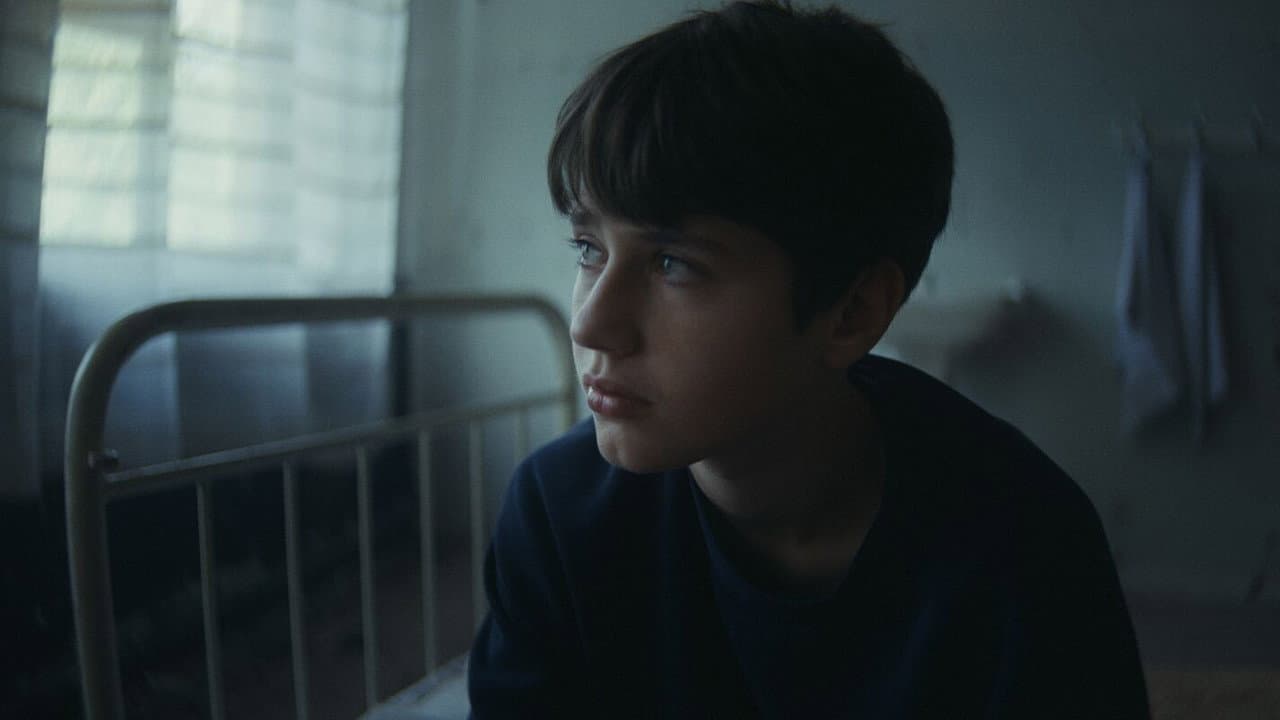
Here's the thing that sets Schwarze Häuser apart from standard archival documentaries: the staging. Sikora brought in young performers and had them act out scenes drawn directly from survivor accounts and official records. Not dramatization. Not interpretation. Just teenagers performing the bureaucratic language of abuse, the bureaucratic language of denial.
It's an unusual formal choice — and it works. Watching a 16-year-old read testimony from a child who was 16 in 1965 creates a kind of doubling that talking-head testimony alone can't achieve. You're watching two timelines collide on the same screen.
The film was produced by Tondowski Films with backing from ZDF's Das kleine Fernsehspiel, the public broadcaster's documentary strand. Real Fiction distributed it theatrically in Germany — the kind of arthouse-focused label that handles films that wouldn't survive a multiplex run. It premiered at achtung berlin in April 2026, then screened at DOK.fest München (Germany's main documentary festival) before its theatrical release. Movie OTT has tracked the festival circuit closely, and what's notable is how consistently programmers chose to show it despite — or because of — its difficulty.
Screenings often include Q&As with Detlef Lichtrauter from Aufarbeitung Kinderverschickung NRW, the advocacy group working to document the system's harms. So the film exists in a context larger than cinema. It's part of an ongoing reckoning.
What the critics noticed — and what I keep thinking about
Filmdienst called it "aufrüttelnde" — rousing, shaking you awake — which is about as pointed as German film criticism gets. But what's more interesting than the praise is what critics kept highlighting: the intergenerational element. How trauma moves through families that never talked about it. How silence becomes inherited.
I keep coming back to the theatrical sequences. Not everyone will find them as powerful as the testimony — some viewers will find the shift between registers jarring. But the ambition is unmistakable. Sikora's asking: how do you make visible what was deliberately hidden? How do you make a film about children no one was listening to, and make sure people listen now?
The other thing nobody mentions much is that this is also a film about bureaucracy. The Kurheime system didn't hide. It was documented, filed, reported — just never investigated. The children's files exist. The doctors' notes exist. What didn't exist was public attention, or public shame. Sikora uses archival material not just to verify what happened but to show that the system left a paper trail. It just took a filmmaker willing to follow it.
Where to watch — and what to expect
Schwarze Häuser is currently available on major streaming platforms, though regional availability shifts. To find it on your specific service in your country, check the where-to-watch widget at the top of this article — it updates weekly and covers Netflix, Prime Video, and arthouse-focused streamers. (Streaming rights for documentaries like this move around constantly, so what's available in Germany often differs from UK or US catalogs.)
Movie OTT's platform tracker aggregates availability across services, so you won't have to check Netflix and Prime separately. If you can't find it on a major platform yet, arthouse streaming services tend to pick up Real Fiction titles earlier than generalist ones.
The film is roughly 90 minutes. It's not easy to watch — the subject matter demands that you sit with difficult material. But it's also not gratuitous. Sikora treats the survivors' stories with the weight they deserve.
Who should watch this — and what it connects to
If you're drawn to historical documentaries, German postwar history, or work on intergenerational trauma, this belongs on your list. If you've watched films like The Act of Killing (which also uses theatrical performance as a documentary tool) or Shoah (which also refuses to look away from what systems do to children), you'll recognize what Sikora is attempting.
Here's the practical thing: watch it with context. Before or after, read something about the Kinderkuren system — there are survivor accounts and journalistic pieces that'll deepen what you see on screen. The documentary doesn't explain the history in exposition. It assumes you want to understand it deeply, which means doing some work alongside the film.
The rating sits at 0/10 — which tells you this isn't a crowd-pleaser. It's a film for people ready to sit with something necessary and difficult. Movie OTT's editorial team has flagged it as one of 2026's most significant documentary releases, not because of awards or viewership numbers, but because it addresses a gap in German cinema that should have been filled decades ago.
Start here if you're ready. But come prepared.