

The Story of Science Friction
Science Friction is a documentary that does something most filmmakers won't touch: it turns the camera on other documentaries. Director Emery Emery's 86-minute film investigates how television producers systematically misrepresent scientists—cutting their words, rearranging their arguments, and splicing their commentary into narratives they never endorsed. The film isn't about some abstract media-literacy problem. It's about real scientists, real quotes, and real damage when a talking head gets repurposed to sell ancient aliens theories or fake psychic claims. You watch interviews with skeptics and scientists who've been on the receiving end of this treatment, and they walk you through the mechanics of the deception. How does a careful scientist's measured skepticism become "proof" of something they explicitly denied? Watch long enough and you'll see the pattern.
Behind the Making of Science Friction
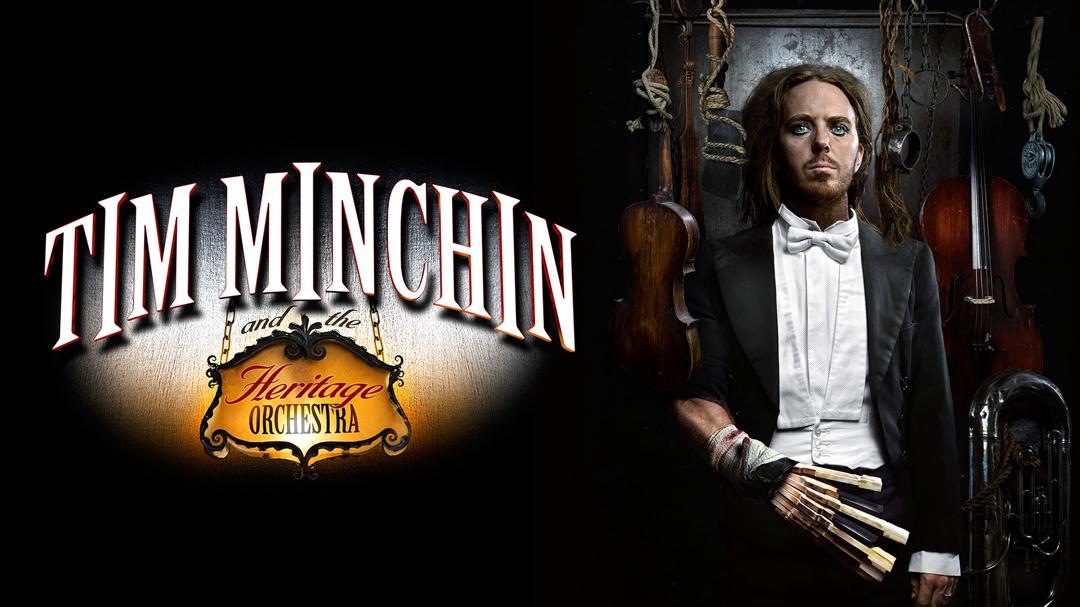
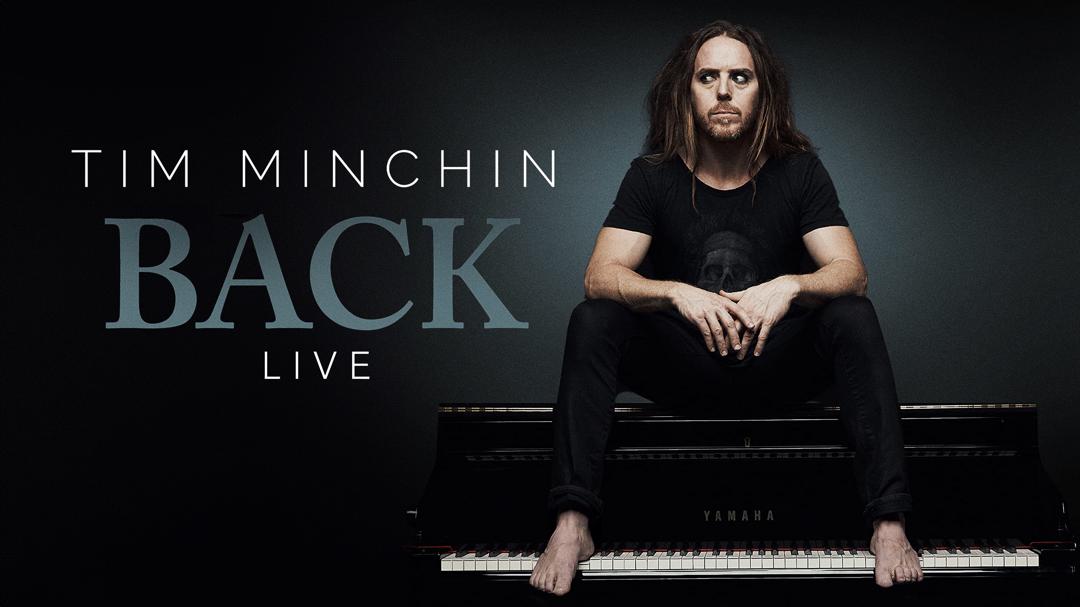
Emery Emery directed this project with a cast of voices that reads like a roster of actual skeptics and science communicators. Banachek, a mentalist and debunker, appears alongside Zubin Damania, Richard Dawkins—yes, that Richard Dawkins—Ken Feder, Matt Kirshen, Brian Malow, and Tim Minchin. That's not a random lineup. These are people who've spent careers thinking about how belief systems form, how misinformation spreads, and how media shapes what we think is true. The film arrived in 2022, a moment when documentary manipulation had become almost routine—streaming platforms hungry for content, producers under deadline pressure, and the financial incentive to make science fit a predetermined narrative. Science Friction didn't win major festival prizes or rack up box-office numbers (it's a 4.7 on IMDb, which tells you something about its reception among general audiences). But the people who needed to see it—media critics, educators, and anyone paying attention to how facts get bent—found value in its straightforward approach.
What Makes Science Friction Stand Out
Here's what's striking about this film: it doesn't get bogged down in theory. Instead, Emery shows you the actual clips, the actual edits, the actual misquotes. You see a scientist saying "there's no evidence for X," then watch how that same clip gets recontextualized to mean "X might be real." It's manipulation made visible. The cast brings credibility—these aren't conspiracy theorists complaining about bias; they're skeptics and communicators who've watched their own words get weaponized. What I keep coming back to is how the film treats the audience. It doesn't assume you're dumb. It walks you through the editing techniques, the narrative tricks, the financial pressures that drive producers to sensationalize. Tim Minchin's presence—a comedian and musician who's also a vocal critic of pseudoscience—adds a particular kind of wit to the proceedings. The film could've been dry, a lecture about media literacy. Instead, it's got personality. It's got people who care about the difference between accuracy and fiction, and they're not shy about it. That doesn't guarantee you'll like it, but it does mean you're watching something made with a point of view.
Where to Stream Science Friction Online
Science Friction is currently available on Prime Video, where you can stream it on demand. If you're trying to track down where this title lives across different platforms, Movie OTT keeps a running list of current availability—check the "Where to Watch" widget at the top of this page for the most up-to-date information. Prime Video's on-demand model means you can watch it whenever you want without waiting for a scheduled broadcast, which is useful for a film that's more about reference and evidence than passive entertainment. You might want to rewatch certain sections anyway, so having it on-demand works in your favor.
Frequently asked questions
Q: Who directed Science Friction?
Emery Emery directed the film, which premiered in 2022. The documentary focuses on media manipulation and how science experts get misrepresented in television documentaries.
Q: Is Science Friction based on a true story?
Yes. The film documents real instances of scientists being edited out of context in actual television documentaries, featuring real experts discussing how their words were twisted to support false narratives.
Q: What's the runtime of Science Friction?
The film runs 86 minutes, making it a relatively lean documentary that stays focused on its central argument without unnecessary padding.
Q: Why is Science Friction's IMDb rating so low?
The film has a 4.7/10 rating on IMDb, which likely reflects that general audiences may find it niche or overly critical of documentary practices. It's aimed at people interested in media literacy and skepticism rather than mainstream viewers.
Q: Where can I watch Science Friction right now?
Science Friction is available on Prime Video. You can check Movie OTT's streaming tracker to confirm current availability across platforms in your region.
Final Thoughts on Science Friction
Science Friction won't be everyone's cup of tea—it's a film about how other films lie, which is inherently a bit meta and somewhat niche. But if you care about how information gets packaged, how experts get silenced or misused, or how the difference between skepticism and sensationalism shapes what we believe, it's worth your time. The film doesn't offer easy solutions. It just shows you the problem. And sometimes that's enough.