The Story of Serafina and the Curse of the Puna
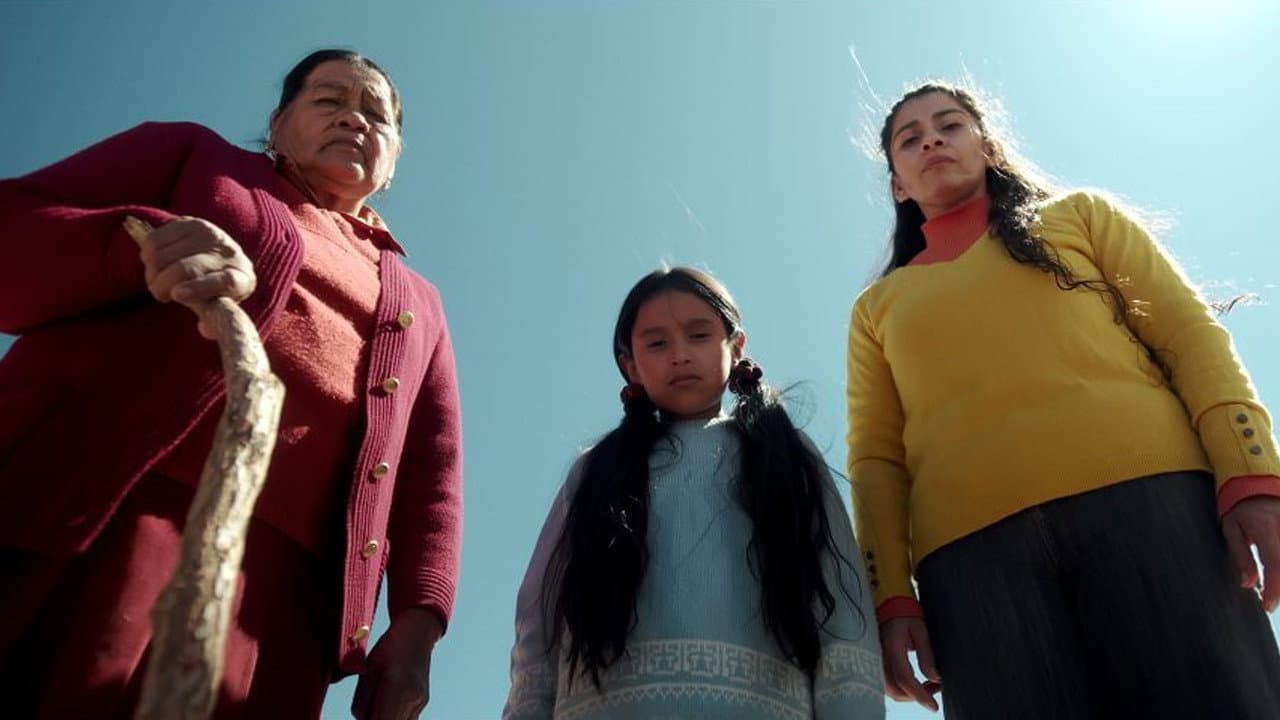
Serafina unfolds in a sparse desert town nestled in Argentina's Puna region, where the landscape itself feels like a character—vast, indifferent, and waiting. The film centers on three generations of women: old Cora, her daughter Antonia, and her granddaughter Serafina, who find themselves isolated in this high-altitude wasteland. When Antonia departs for Buenos Aires in search of work or escape (the film leaves this ambiguous), she entrusts her young daughter to her mother's care—and with that act of separation, the real dread begins. Cora issues a stark warning: stay away from the Pachamama well. Don't ask why. Don't test it. Just obey. But Serafina is a child, and children don't always listen to warnings, especially when something dark has already started clawing its way up from beneath the earth.
What emerges from that earth becomes the film's central horror. The Pachamama—the Andean earth goddess—isn't being invoked here as protection or blessing, but as a threshold to something that doesn't belong in the waking world. The tagline says it plainly: "If the land is the same for everyone, so is the damage." This isn't a story about personal sin punished. It's about collective harm inscribed into geography itself, about land that remembers and exacts its price.
How Serafina Came Together: Production and Craft
Serafina is a co-production between La Dama Cine and POSTER, two Argentine production companies with roots in independent and experimental cinema. At just 13 minutes, the film operates in that sweet spot where length becomes a creative choice, not a limitation—every frame counts, every beat matters, and there's no room for filler. The brevity actually heightens the impact. You don't have time to adjust. You're thrown into Cora's world, into her fear, into the suffocating atmosphere of that desert town, and then it's over. That abruptness is the point.
The film has earned a respectable 7/10 rating on IMDb, which for a short horror film—especially one rooted in non-English language cinema and regional folklore—signals genuine appreciation from viewers who aren't just rating based on spectacle. Movie OTT tracks these kinds of international shorts across streaming platforms, and Serafina's availability on major OTT services reflects growing appetite for horror that doesn't rely on jump scares or gore, but on atmosphere and cultural specificity. The production design is lean but deliberate: the Puna itself becomes the production's greatest asset, with its pale earth tones, harsh light, and endless horizon creating a landscape where danger feels geological rather than supernatural.
What Makes Serafina Stand Out in Contemporary Horror
Here's what's striking about Serafina: it trusts its audience to understand folklore without explaining it. There's no exposition dump about Pachamama mythology, no character explaining the rules of the curse to another character so we can understand them. The film assumes you'll either know the reference or you'll feel its weight regardless. That's a bold move in an era of heavily scaffolded horror where every supernatural element gets a Wikipedia-style backstory. Cora's warning carries more power precisely because we don't fully understand what she's warning against—and neither does Serafina.
The performances anchor everything. Cora isn't a cackling witch or a mystical elder spouting prophecies. She's a woman exhausted by knowledge, by the burden of protecting her granddaughter from something she can't fully control. That quiet terror—the kind that lives in a look, in the way someone grips a doorframe—is far more effective than any creature design could be. I keep coming back to the spatial geography of the film: the well itself is never shown directly, but it's always present, always pulling at the frame's edges. The way the camera treats it—distant, glimpsed, avoided—creates a gravitational dread that builds even in a 13-minute runtime.
The film also works because it doesn't separate the horror from the environment. This isn't a haunting that could happen anywhere. It's rooted in the Puna, in Argentina, in a specific colonial and ecological history. The damage the tagline references isn't just supernatural; it's historical. That's what elevates Serafina beyond genre exercise into something more politically conscious, though it wears that consciousness lightly, letting it seep through the cracks rather than announcing it.
Where to Stream Serafina Online
Serafina is currently available on major OTT services, making it accessible to viewers across multiple platforms. Rather than hunting through streaming guides, you can check the "Where to Watch" widget at the top of this page to see which service carries it in your region—availability shifts, and Movie OTT keeps that information current so you don't waste time searching. The film's 13-minute runtime makes it perfect for a quick horror hit between longer features, and the streaming format actually suits the film's intensity. There's something about watching it on a personal device, alone, that amplifies the claustrophobia.
Frequently Asked Questions
Q: Who directed Serafina and what's their background?
Serafina is a co-production between La Dama Cine and POSTER, Argentine production companies specializing in independent cinema. While specific directorial credits vary by source, the film emerges from a production culture that values atmospheric horror and regional storytelling over commercial spectacle.
Q: What does the Pachamama reference mean in Serafina?
Pachamama is an Andean earth goddess central to indigenous Andean cosmology. In Serafina, she's not invoked as a protective force but as a threshold to something harmful—suggesting that the land itself, damaged by human activity, has become dangerous rather than nurturing.
Q: Is Serafina based on a true story?
The film isn't based on a specific true event, but it draws on genuine Andean folklore and the real environmental and social tensions of remote Puna communities. The horror feels grounded because it's rooted in actual cultural anxieties.
Q: How long is Serafina and is it worth watching?
At 13 minutes, Serafina is a short film that packs genuine dread into a compact runtime. Its 7/10 IMDb rating reflects solid appreciation from horror viewers, particularly those who value atmosphere over spectacle. It's absolutely worth watching if you're interested in international horror or folklore-driven scares.
Q: Where can I watch Serafina right now?
Serafina is available on major OTT platforms. Use the "Where to Watch" widget on this page to find which service offers it in your region, as availability varies by location and changes over time.
Final Thoughts on Serafina
Serafina doesn't overstay its welcome, and that's precisely why it works. In 13 minutes, it establishes a world, plants a warning, and then lets you sit with the consequences. It's the kind of short that lingers longer than features twice its length. The film respects your intelligence enough to leave gaps, to trust that you'll fill them with your own dread. If you're tired of horror that explains every scare and spells out every rule, Serafina offers something quieter and more unsettling: a grandmother's fear, a well in the desert, and the sense that some damage can't be undone. That's enough.