




Unveiling the Dark Legacy in Seven Women for Satan
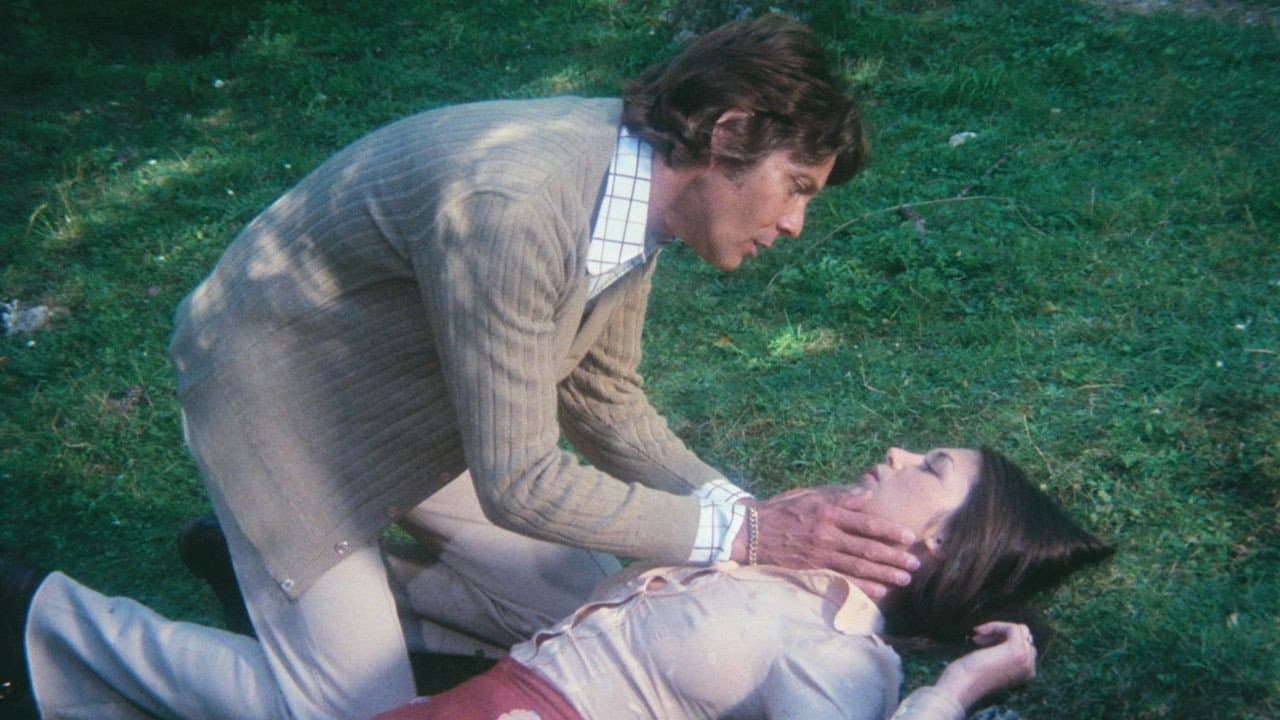
The story of Seven Women for Satan plunges viewers into the disturbed mind of Boris Zaroff, a modern businessman grappling with a lineage drenched in infamy. His father, none other than the notorious Count Zaroff from "The Most Dangerous Game," casts a long, terrifying shadow over Boris's existence. This inherited darkness manifests as vivid hallucinations and disturbing social lapses, frequently involving sadistic harm inflicted upon unsuspecting young women. His loyal but sinister butler serves as a constant, dark influence, committed to fully indoctrinating Boris into the family's wicked traditions, with the castle's ancient torture dungeon playing a central, chilling role in this macabre education. Yet, Boris isn't entirely lost to his cruel destiny; he finds himself periodically drawn away by the ethereal, romantic apparition of the deceased countess who once reigned over the very same castle. A curious conflict of desire.
Behind the Controversial Making of Seven Women for Satan
Released in 1975, Seven Women for Satan isn't just a film; it's a statement, a piece of transgressive cinema from a bygone era that proudly wore its scandalous reputation like a badge of honor. Produced by Les Productions du Daunou and Les Réalisations Michel Lemoine—the latter hinting strongly at Michel Lemoine himself being the driving force behind the camera—this 82-minute horror feature was, as its official tagline boldly declared, "The French film BANNED in France...!" That's quite a claim for any movie, isn't it? Its controversial nature likely overshadowed any conventional box office metrics or awards consideration, pushing it into the realm of cult cinema rather than mainstream success. One can only imagine the furor it caused, especially with its explicit themes and graphic content. I keep coming back to that tagline; it perfectly encapsulates the film's provocative intent and the societal reaction it aimed to provoke. While specific cast details are often lost to the mists of time for films of this niche, it's clear the performers were tasked with embodying extremely dark and unsettling roles, pushing boundaries that few films dared to touch even then. This wasn't a project for the faint of heart, either behind or in front of the camera. The sheer audacity of its premise and execution secured its place in the annals of exploitation cinema, a genre that thrives on shock value and taboo-breaking. Movie OTT is proud to track the availability of such historically significant, if polarizing, works.
Deconstructing the Allure and Infamy of Seven Women for Satan
Despite its rather low IMDb rating of 3.841/10, Seven Women for Satan holds a peculiar allure for a specific segment of horror aficionados. It works not because it's a masterpiece of cinematic craft by conventional standards—it's not—but because it's an unashamedly dark and psychosexual dive into inherited evil and moral decay. The film leans heavily into its exploitation roots, offering a visceral, often uncomfortable experience that challenges viewer sensibilities. What's striking is how it attempts to blend the gothic horror of a haunted castle with the raw, psychological torment of its protagonist, Boris Zaroff. The tension between his sadistic urges and the ethereal pull of the deceased countess provides a fascinating, albeit disturbing, internal conflict. Honestly, for fans of obscure, transgressive cinema from the 70s, this film serves as a time capsule, showcasing the era's willingness to push boundaries, often for shock value alone. It’s a film that doesn't just depict violence; it wallows in its implications, particularly concerning the power dynamics at play in the Zaroff castle's dungeon. One might even argue that its very "badness," its rough edges and over-the-top elements, contribute to its cult status, making it a subject of fascination for those who appreciate cinema that dares to be ugly and confrontational. This isn't a film you recommend for a casual Friday night, but rather for those seeking a deeper cut into the more extreme corners of horror history. Its legacy, however small, is cemented by its sheer audacity and willingness to offend. You can always check Movie OTT for more deep dives into films like this.
Where to Stream Seven Women for Satan Online
For those curious enough to venture into the controversial world of Seven Women for Satan, finding this cult classic is surprisingly straightforward in today's streaming landscape. Movie OTT, your go-to source for discovering where to watch your favorite films, indicates that this 1975 horror gem is currently available across major OTT services. While the specific platforms might vary by region or subscription, you'll typically find it nestled within the libraries of prominent streaming providers that specialize in genre cinema or classic exploitation films. To pinpoint exactly where to catch Boris Zaroff's unsettling journey and the castle's dark secrets, simply refer to the "Where to Watch" widget conveniently located at the top of this very page. We're always updating our listings, ensuring you have the most current information at your fingertips, making it easier than ever to access even the most obscure cinematic offerings.
Frequently asked questions
Q: When was Seven Women for Satan released?
Seven Women for Satan first premiered in 1975. This cult horror film, with its notorious tagline, has since carved out a unique, if controversial, place in cinematic history.
Q: What genre is Seven Women for Satan?
The film falls squarely into the horror genre, though it also prominently features elements of exploitation and psychological thriller. Its themes revolve around inherited evil and sadistic desires.
Q: Who directed Seven Women for Satan?
While not explicitly stated in all public databases, the production company "Les Réalisations Michel Lemoine" strongly suggests that Michel Lemoine was the director of Seven Women for Satan. He was a notable figure in French genre cinema of the era.
Q: What is the IMDb rating for Seven Women for Satan?
Seven Women for Satan holds an IMDb rating of 3.841/10. This rating reflects its niche appeal and often divisive content among general audiences.
Final Thoughts on Seven Women for Satan and Its Legacy
Seven Women for Satan isn't for everyone. Let's be clear about that. It’s a relic of 1970s exploitation horror, designed to shock and provoke rather than entertain in a conventional sense. However, for film historians, fans of cult cinema, or those genuinely interested in the darker, more transgressive corners of international horror, it offers a fascinating, if challenging, viewing experience. Its historical context, particularly the "banned in France" aspect, adds another layer of intrigue. If you're ready to confront a film that revels in its own audacity and explores themes of inherited depravity with a distinctly European sensibility, then this might be an unsettling, yet rewarding, watch. For an unfiltered look at a film that refused to play by the rules, Movie OTT recommends giving it a chance.