





Shambhala Story: A Quiet Film About Faith Colliding With Desire
Shambhala Story is a 2026 drama that follows a Tibetan Buddhist monk sent to Japan for spiritual training, where he meets a woman fresh out of prison—and everything gets complicated. Running 108 minutes, it's the kind of film that trusts you to sit with contradiction instead of resolving it for you.
Why This Film Matters If You Like Slow-Burn Character Drama
Here's the thing about Shambhala Story: it doesn't treat faith as an obstacle. Most films would position Tashi's monastic vows as the antagonist—the thing standing between him and Emi, the thing you're supposed to root against. This one doesn't. His devotion is presented as genuinely real, genuinely beautiful, and genuinely in conflict with something equally real. That's the harder choice, and it's what makes the film stick with you.
Tashi's journey begins in the mist-wrapped foothills of Darjeeling, India, where his monastery sends him to Japan for advanced training—ostensibly a privilege, though it reads onscreen as a kind of exile. Once there, he meets two people: a cantankerous elderly Japanese man and his granddaughter Emi, who's carrying the specific exhaustion of someone recently released from prison. The film doesn't rush into their connection. It lets the distance between them—cultural, spiritual, generational—do the work first.
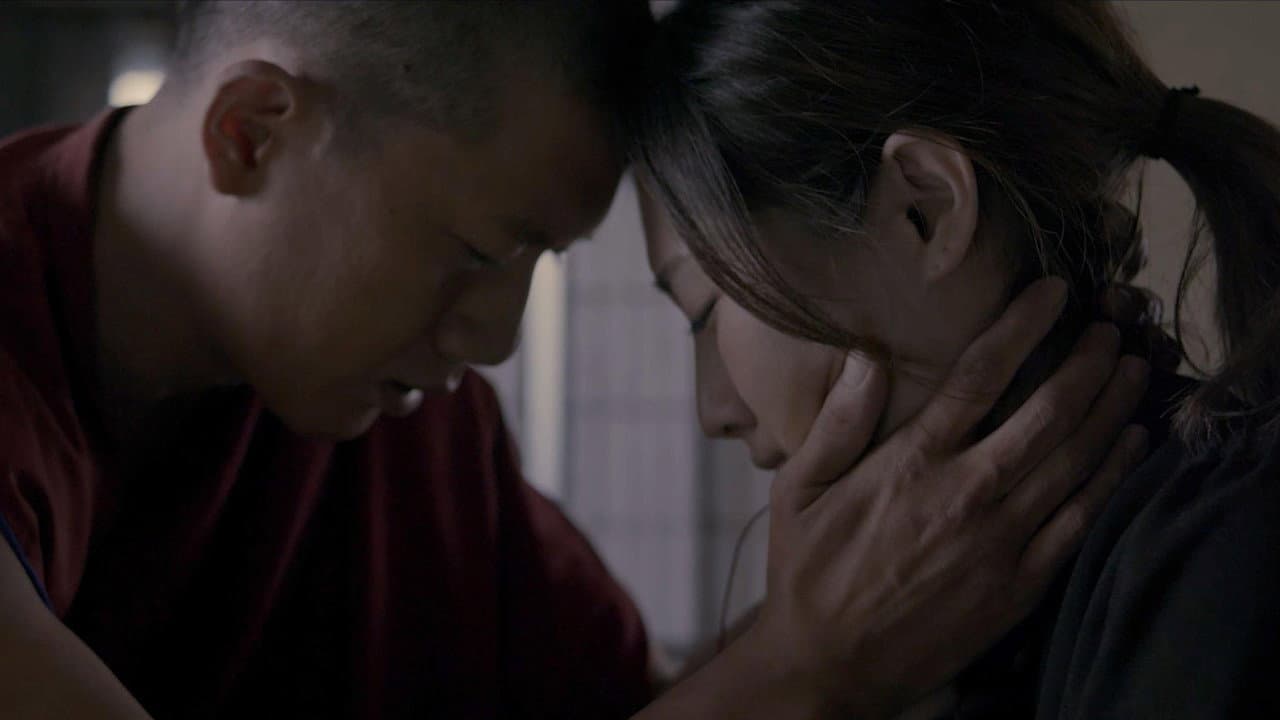
What strikes me most is how Emi is written. She's not a manic pixie designed to disrupt his monastic calm. She's tired. A little defensive. Not particularly interested in being anybody's spiritual awakening. There's a scene where she watches Tashi meditate with something between curiosity and contempt, and you can feel the film holding its breath. That moment sets the emotional register for everything that follows, and it's rare to find that kind of precision in a romance built on restraint.
The Craft Is in What the Film Doesn't Say
The grandfather character—cantankerous in the way real elderly people are cantankerous—keeps this from becoming precious. He's not a quirk. He's a survival mechanism. His presence grounds the Japan sequences in something domestic and specific rather than postcard-pretty, and honestly, that balance between his humor and the central romance is what prevents the film from collapsing into melodrama.
The screenplay trusts that you'll feel the pull between Tashi and Emi without being told to feel it. No swelling strings. No voiceover explaining the stakes. Just two people in proximity, their vows and histories quietly colliding. That trust is rare. And it's why the film lingers.
If you appreciated the cross-cultural tension in films like Monsoon or the intimate character work in A Separation, Shambhala Story operates in that same register—quiet, observational, unwilling to let anyone off the hook morally.
Where to Watch Shambhala Story Right Now
Shambhala Story is currently available on major OTT platforms. The most reliable way to check streaming availability is Movie OTT's where-to-watch widget, which updates in real time as rights shift between Netflix, Prime Video, and regional platforms like Hotstar. Streaming availability for international dramas changes quickly—worth bookmarking if you're planning to watch later.
Key Facts You Need
- Release Year: 2026
- Runtime: 108 minutes (single-sitting length)
- Production: Sameden Films
- Filming Locations: Darjeeling, India and Japan
- Genre: Drama
- Rating Status: No official MPAA rating published yet
The film was shot across two radically different landscapes—one all fog and prayer flags, the other neon-lit and tightly ordered. That contrast isn't accidental. It's the film's central argument made visual.
Is It Family-Friendly?
No official rating exists yet, but given the themes—romantic tension involving a monk and a parolee, questions of desire versus devotion—it's built for teen and adult audiences. Not a kids' film.
Who Should Actually Watch This
You'll want to watch Shambhala Story if you're drawn to cinema that sits with contradiction instead of resolving it. If you need plot momentum, escalating stakes, or a tidy ending—this isn't your film. But if you're the kind of viewer who appreciates cross-cultural drama, Buddhist cinema, or films that trust their audience to understand subtext, you'll find something worth returning to here.
The thing nobody mentions about films like this is how rare it's become to find a story that doesn't explain itself. No character speeches about what they're feeling. No montage of "bonding moments." Just the slow erosion of distance between two people who shouldn't connect—and then they do. Anyway.
Hard to say whether Shambhala Story will gain wider recognition or remain a discovery for patient streamers. Word-of-mouth tends to move slower for intimate dramas than for franchise tentpoles. But that's also why Movie OTT exists—to surface films like this before they disappear into the algorithm. Check the platform's drama section if you're looking for your next watch.