The story of Shamshera: Rebellion in the 1800s
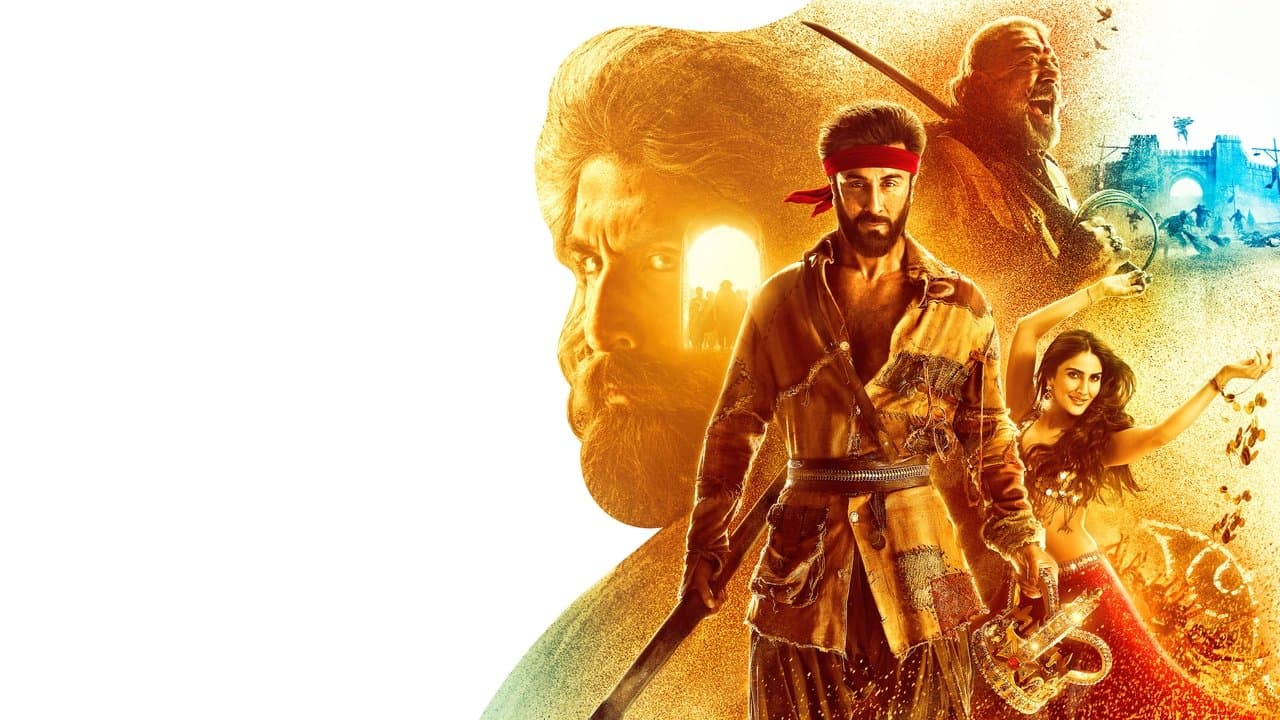
Shamshera transports viewers to the 1800s, a time when the British Raj held iron-fisted control over India. The film centers on a dacoit tribe—warriors bound by blood and code—who've been systematically oppressed and enslaved by colonial forces. Rather than accept subjugation, they choose defiance. The narrative follows their struggle for autonomy and dignity, positioning them not simply as bandits but as freedom fighters with a righteous cause. What's striking is how the film frames their resistance as both a personal and collective journey, one that demands sacrifice and courage from everyone involved.
Behind the making of Shamshera: Production, cast, and box office realities
Shamshera arrived in 2022 as an ambitious period action drama from Yash Raj Films and Prime Focus, directed by Karan Malhotra, known for his work on the Agneepath franchise. The production itself was substantial—a 158-minute runtime reflects the scale of ambition here, attempting to weave complex tribal politics, colonial conflict, and personal redemption into a single narrative. Ranbir Kapoor, one of Hindi cinema's most bankable stars, takes on a dual role that required significant physical preparation and performance range. He's supported by a strong ensemble cast: Sanjay Dutt lends gravitas as a formidable antagonist, while Vaani Kapoor, Ronit Roy, and Saurabh Shukla round out the supporting players. Producer Aditya Chopra's Yash Raj Films brand carries considerable weight in the industry, yet the film's box office performance proved softer than anticipated—a reminder that even star power and major studio backing can't guarantee commercial success in an increasingly fragmented theatrical landscape. The movie didn't achieve the blockbuster status its budget and release strategy suggested it would, landing on Movie OTT and other streaming platforms where audiences could evaluate it on their own terms.
What makes Shamshera stand out: Performance and period craft
Kapoor's dual-role performance is the film's most compelling asset. Playing both a warrior leader and his son across different time periods allows him to explore contrasting facets of the same bloodline—idealism versus pragmatism, hope versus despair. The thing nobody mentions is how physically demanding these dual roles become; you're essentially asking one actor to carry two distinct character arcs simultaneously, and Kapoor commits to that challenge. Sanjay Dutt's antagonist work brings a different kind of weight—he doesn't play the villain as a cartoon, but as someone convinced of his own righteousness, which makes him far more dangerous. The period production design and cinematography attempt to create an immersive world of 1800s India, with attention to costumes, weapons, and architectural details that ground the fantastical elements of the dacoit narrative. The action sequences, which form the backbone of the film's appeal, favor scale and spectacle—large-scale battles, horse chases, and hand-to-hand combat that don't shy away from brutality. That said, the film's IMDb rating of 5.4/10 suggests audiences found the execution uneven, perhaps because the emotional stakes don't always align with the visual ambition, or because the pacing struggles under the weight of its own runtime.
Where to stream Shamshera online
Shamshera is available on major OTT services, making it accessible to viewers across multiple platforms. Rather than hunting through different apps, you can check the Where to Watch widget at the top of this page to see exactly which streaming services currently carry the film in your region. Movie OTT tracks streaming availability across platforms like Netflix, Prime Video, and others, so you'll know instantly whether it's in your subscription library or available to rent. The film's migration to streaming has actually given it a second life—some viewers who skipped it in theaters find it a more forgiving experience on a home screen, where they can pause and absorb the story at their own pace.
Frequently asked questions
Q: Who directed Shamshera?
Karan Malhotra directed the film, bringing his experience from action-heavy projects like Agneepath to this period epic. His visual style emphasizes grand-scale action sequences and dramatic confrontations.
Q: Is Shamshera based on a true story?
While the film draws inspiration from the historical reality of dacoits and tribal resistance during the British Raj, Shamshera is a fictional narrative. The characters and specific plot points are created for the film, though they're rooted in the genuine struggles of oppressed communities during colonial India.
Q: What's the runtime of Shamshera?
The film runs 158 minutes, which is a substantial commitment—nearly two hours and forty minutes. That length reflects the scope of the story, though some viewers felt it could've been trimmed for better pacing.
Q: Why did Shamshera underperform at the box office?
Several factors likely contributed: release timing, mixed word-of-mouth, and competition from other major releases. The film's ambitious scope didn't translate to the commercial success its budget required, though it found an audience on streaming platforms afterward.
Q: Who stars in Shamshera?
Ranbir Kapoor leads the cast in a dual role, with Sanjay Dutt, Vaani Kapoor, Ronit Roy, and Saurabh Shukla in supporting roles. The ensemble cast brings considerable star power to the production.
Final thoughts on Shamshera
Shamshera is a film that swings for the fences—a period action drama that doesn't settle for small stories or quiet character work. It's genuinely ambitious in scope, and that ambition deserves respect, even when the execution falls short of the vision. The performances anchor the spectacle, particularly Kapoor's dual role, and there's real craft in the production design and action choreography. If you're drawn to historical epics, warrior narratives, or Ranbir Kapoor's work, it's worth a watch on your preferred streaming platform. Just go in understanding that it's a flawed, overlong film that reaches for something grand—and sometimes gets there, sometimes doesn't.