The story of Shelpek and a girl learning her roots
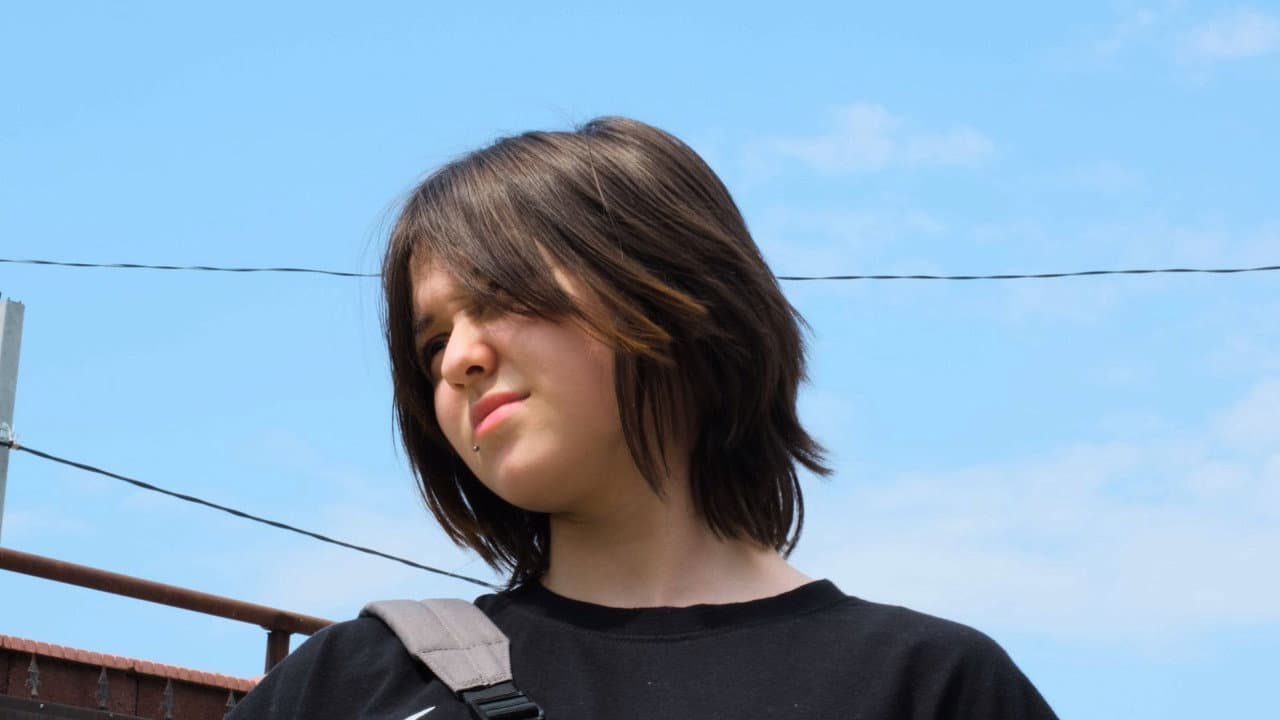
Shelpek is a 2024 comedy-drama that follows Arna, a young woman who travels to her grandmother's village for the holidays. There's a catch, though—she doesn't speak the local language, which makes even the simplest tasks feel impossible. Her grandmother tasks her with distributing shelpek, the traditional Central Asian flatbread made from flour, milk, sugar, butter, and sour cream, to neighbors as a gesture of goodwill. It's a small assignment with big cultural weight. Enter Akzhol, a neighbor with patience and kindness in equal measure, who steps in to help Arna navigate this unfamiliar world. What begins as a straightforward holiday errand transforms into something stranger: as they visit house after house in the village, they realize the homes are empty. Nobody's there. The mystery deepens, and what could have been a simple fish-out-of-water story becomes something that asks bigger questions about belonging, community, and what it means to come home.
Behind the making of Shelpek and its creative vision
Shelpek was produced by tolqyn pictures and K&Y pictures, two production houses working in Kazakhstan's growing film industry. The film arrived in 2024, a year that saw renewed interest in Central Asian cinema on the international stage. While the film hasn't topped global box office charts—it's a regional production aimed primarily at audiences familiar with Kazakh culture and language—it's found its audience among viewers hungry for authentic, locally rooted stories that don't rely on Hollywood formulas. The production's decision to center the film around shelpek itself is worth noting. Rather than treat the flatbread as mere background detail, the filmmakers made it central to the narrative and thematic spine of the work. This isn't accidental: shelpek carries real cultural significance across Kazakhstan and the broader Central Asian region, and by making its preparation and distribution the gateway to Arna's journey, the film grounds itself in something tangible and lived. The cast and crew brought a commitment to specificity that shows in every frame—the village locations, the language, the customs all feel genuine rather than performed for outsiders.
What makes Shelpek stand out in contemporary cinema
There's something refreshing about Shelpek's refusal to play it safe. It could have been a straightforward coming-of-age story, the kind where a disconnected city girl learns to appreciate her roots through wholesome village life—heartwarming, predictable, done a thousand times. Instead, it pivots. The mystery of the empty houses is the film's secret weapon. It transforms what could have been sentimental into something genuinely unsettling, forcing both Arna and the audience to reckon with absence, abandonment, and what it means when a place you're supposed to belong to feels hollow. The chemistry between Arna and Akzhol carries much of the film's emotional weight. Their performances ground the strangeness; they're not reacting with shock or horror but with a kind of quiet bewilderment that feels more honest. What's striking is how the film manages tonal shifts—it'll make you laugh at Arna's linguistic fumbles one moment, then pull the rug out from under you the next. The romance that blooms between them doesn't feel tacked on; it emerges naturally from shared confusion and the comfort of having someone to face that confusion with. The film's treatment of language itself deserves mention. Rather than making Arna's inability to speak the local tongue a punchline, it becomes a genuine barrier to understanding, which makes her reliance on Akzhol feel earned rather than convenient. This is where the film's heart lives—in the spaces where words fail but connection somehow survives.
Where to stream Shelpek online
Shelpek is currently available across major OTT services, making it accessible to international audiences curious about Kazakh cinema. Movie OTT maintains an up-to-date tracking system showing exactly which platforms carry the film in your region, since streaming availability shifts frequently. The "Where to Watch" widget at the top of this page lists every platform currently offering Shelpek, so you can jump straight to whichever service you already subscribe to. If you're the type who samples films from different regions and industries—the kind of viewer who doesn't wait for festival buzz or international distribution deals to discover something worthwhile—Shelpek is worth adding to your queue. It's the sort of film that rewards patient, attentive viewing, the kind you'll want to watch without distraction.
Frequently asked questions
Q: What language is Shelpek in?
Shelpek is primarily in Kazakh, the official language of Kazakhstan. This is part of what makes the film's story work—Arna's struggle to communicate is genuine, not performed. English subtitles are available on most streaming platforms.
Q: Is Shelpek based on a true story?
No, Shelpek is a fictional narrative, though it draws on real cultural practices and village life in Kazakhstan. The mystery at the film's center is entirely the filmmakers' invention.
Q: Who directed Shelpek?
Shelpek was produced by tolqyn pictures and K&Y pictures, two Kazakh production companies committed to telling locally rooted stories. The specific director credits are available through the streaming platforms carrying the film.
Q: What is shelpek, really?
Shelpek is a traditional Central Asian flatbread made with flour, milk, sugar, butter, sour cream, baking soda, salt, and vegetable oil. It's consumed throughout the region and holds cultural significance in Kazakh households. The film uses it as both plot device and cultural anchor.
Q: Is Shelpek a romance, a comedy, or a drama?
It's all three, which is part of what makes it interesting. The film blends comedic moments, romantic tension, and dramatic mystery without settling neatly into any single genre. That tonal ambiguity is a feature, not a bug.
Final thoughts on why you should watch Shelpek
Shelpek won't appeal to everyone. If you're looking for a feel-good holiday romp with a neat resolution, you might find its mystery elements frustrating. But if you're willing to sit with strangeness, to follow a character into genuine confusion and uncertainty, there's something genuinely moving here. It's a film about trying to belong to a place that doesn't quite exist anymore, about the people who help us navigate that loss, and about how tradition—whether it's a flatbread recipe or a village custom—can be both anchor and ghost. That's worth your time.