The Story of Shin Ultraman and Its Central Mystery
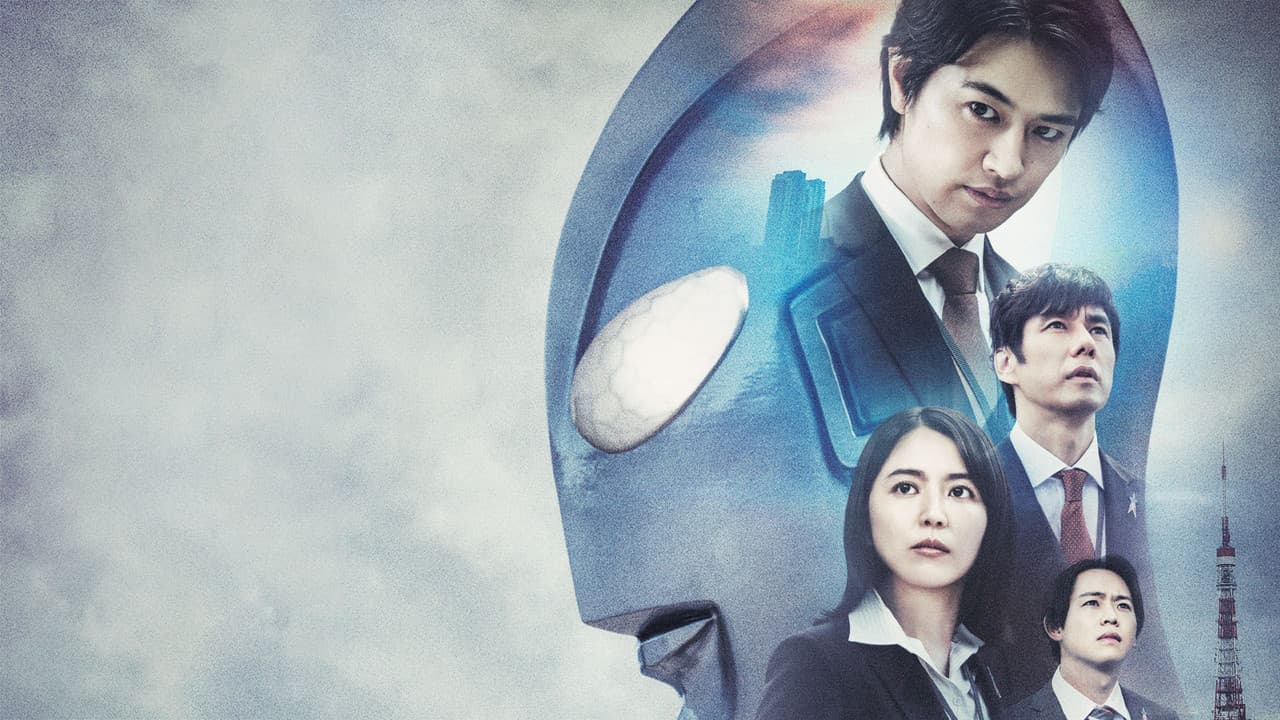
Shin Ultraman opens with Japan under siege. Giant creatures—kaiju—are appearing across the country with no warning and no explanation, and the government's response is scrambling and desperate. Enter the S-Class Species Suppression Protocol, a special task force assembled to fight back against the alien threat. But here's where things get strange: every time a space monster attacks, a colossal silver humanoid appears to fight it. The twist that drives the entire film? That humanoid isn't what anyone expects. An extraterrestrial being has taken on the appearance of a dead man and infiltrated the task force itself, fighting monsters from within the ranks of those trying to stop it. It's a premise that sounds like high-concept sci-fi, and it absolutely is—but what makes Shin Ultraman work is how it uses that setup to ask uncomfortable questions about loyalty, sacrifice, and whether an alien savior can ever truly become human.
Behind the Making of Shin Ultraman: Anno, Higuchi, and the Tokusatsu Lineage
Shin Ultraman didn't emerge from nowhere. Director Shinji Higuchi and writer-producer Hideaki Anno—the creative minds behind the massively successful Shin Godzilla (2016)—reunited to tackle the 1966 Ultraman television series, the 37th film in the Ultraman franchise overall. This wasn't a casual passion project; it was a deliberate statement about how to revitalize tokusatsu for contemporary audiences. The film brought together a powerhouse production team: Tsuburaya Productions (the original Ultraman studio), TOHO, Khara, Cine Bazar, and TOHO Studios all collaborated on what would become a critical darling. The ensemble cast—Takumi Saitoh, Masami Nagasawa, Daiki Arioka, Akari Hayami, Tetsushi Tanaka, and Hidetoshi Nishijima—anchored the human side of the story, while Hideaki Anno himself and Bin Furuya embodied Ultraman. The film ran 112 minutes and was designed as a complete reimagining rather than a sequel or reboot-in-name-only. Though its theatrical box office was modest at $601,490, the critical reception told a different story entirely. Shin Ultraman earned 4 wins and 5 nominations across various awards ceremonies, but the real validation came from critics: a 94% Fresh rating on Rotten Tomatoes and a 84 Metascore, suggesting serious artistic intent beneath the giant-monster spectacle.
Why Shin Ultraman Stands Apart: Craft, Ambiguity, and Emotional Depth
What's striking about Shin Ultraman—and what separates it from typical kaiju fare—is its willingness to treat its premise with genuine philosophical weight. The film doesn't just ask "can this alien beat up monsters?" It asks something far more unsettling: "Have you become so fond of humans, Ultraman?" That's the official tagline, and it's not marketing fluff. It's the central moral knot the entire narrative wraps around. The performances, particularly from Saitoh and Nagasawa, ground what could've been a campy spectacle in something almost melancholic. There's a restraint here—long stretches where characters sit in rooms and talk about what it means to trust someone who isn't human, who can't fully explain their motives. The action sequences, when they come, hit hard precisely because they're not constant. Higuchi's direction balances the henshin-hero traditions (the transformation sequences, the iconic poses) with a modern sensibility about collateral damage, government bureaucracy, and the cost of being saved by someone from another world. I keep coming back to how the film treats the alien's infiltration not as a plot twist for shock value but as a genuine ethical dilemma—the task force has to grapple with whether their ally is a threat, whether their trust was naive, whether saving the world matters if it's saved by a lie. That's mature storytelling wrapped in a giant-monster package.
Where to Stream Shin Ultraman Online
Shin Ultraman is currently available on major OTT services, and if you're hunting for where to watch it, the Movie OTT streaming aggregator widget at the top of this page will show you exactly which platforms carry it in your region. The availability does shift based on licensing agreements, so checking Movie OTT's real-time tracking is your best bet rather than guessing. The 112-minute runtime makes it a solid evening watch—not so long that it demands a two-night commitment, but substantial enough that you won't feel rushed through the narrative. Given the film's critical acclaim and its thematic depth, it's worth seeking out on whichever platform you have access to.
Frequently asked questions
Q: Is Shin Ultraman a reboot or a sequel to the original 1966 series?
It's a reimagining—a complete creative restart directed by Shinji Higuchi and written by Hideaki Anno. It's not a sequel, but it's also not a direct remake. Think of it as Anno and Higuchi asking "what if we told this story for 2022?" rather than "what if we remade the 1966 episodes?" It's the second tokusatsu reimagining from this creative team, following Shin Godzilla.
Q: Who directed Shin Ultraman and what else have they made?
Shinji Higuchi directed it, with Hideaki Anno writing, producing, and co-editing. Together they made Shin Godzilla in 2016, which was a critical and commercial success. Anno also directed Shin Kamen Rider in 2023. Both are known for taking classic tokusatsu properties seriously and updating them for contemporary audiences.
Q: What's the runtime and how long is Shin Ultraman?
The film runs 112 minutes—just under two hours. It's paced deliberately, with quieter character moments balanced against the giant-monster action sequences, so it doesn't feel bloated despite the length.
Q: How was Shin Ultraman received by critics?
It was very well-received. The film holds a 94% Fresh rating on Rotten Tomatoes, an 84 Metascore, and a 6.4/10 on IMDb (based on 4,200 votes). It won 4 awards and earned 5 nominations across various ceremonies, suggesting both critical and industry recognition.
Q: Is Shin Ultraman based on the original 1966 Ultraman TV series?
Yes, it's based on the 1966 tokusatsu television series created by Tsuburaya Productions, but it's a complete reimagining rather than an adaptation of specific episodes. The core concept—a giant silver hero fighting alien monsters—remains, but the story, characters, and themes are entirely new.
Final Thoughts on Shin Ultraman
Shin Ultraman isn't trying to be the biggest or loudest giant-monster film ever made. That's actually its strength. Instead, it's a thoughtful, emotionally intelligent reimagining that trusts its audience to care about character and moral ambiguity alongside the spectacle. If you're into tokusatsu, kaiju, or just well-crafted sci-fi action that doesn't talk down to you, this one's worth your time. It's proof that the superhero and alien-invasion genres still have room for nuance and genuine surprise.


