Shipwrecked: Nightmare at Sea
What actually happened: the 2012 disaster in 87 minutes
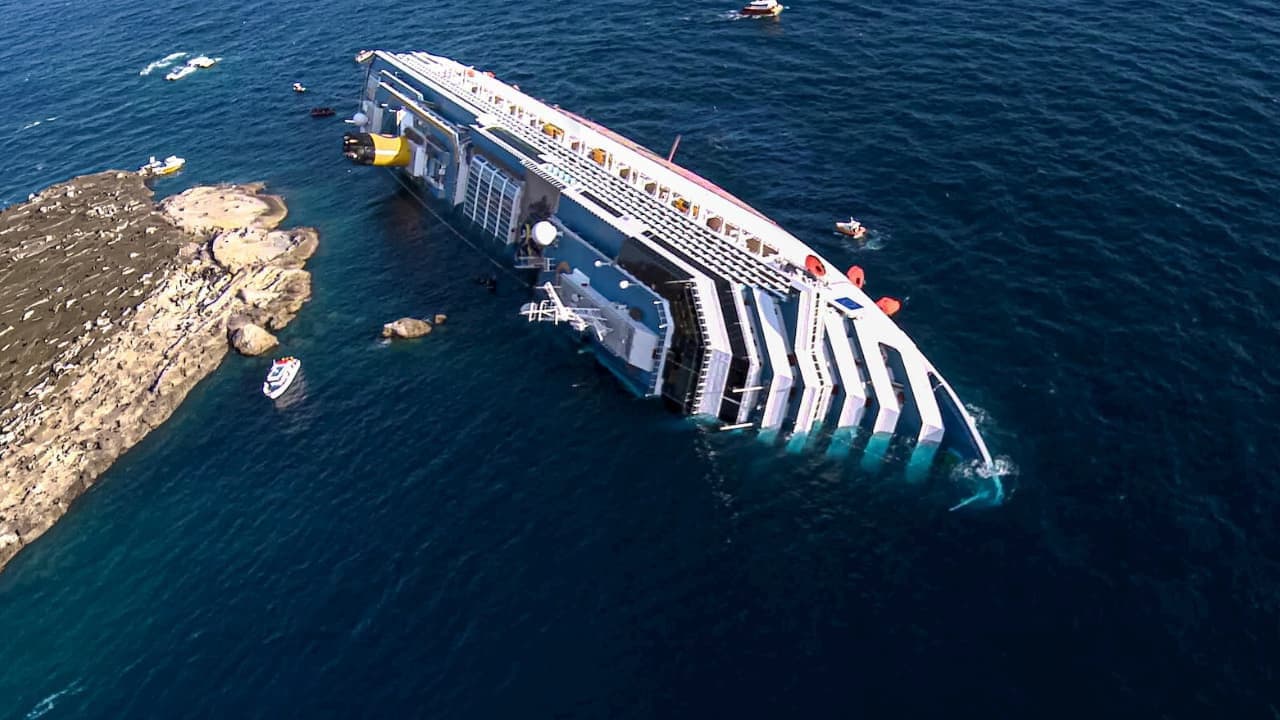
Shipwrecked: Nightmare at Sea is a 2026 documentary about a luxury cruise sinking in 2012. It uses never-before-seen footage and survivor accounts to reconstruct what happened—not as a spectacle, but as evidence. At 87 minutes, it doesn't waste time. Every scene builds toward understanding how a vacation became a catastrophe.
The film opens with archival material that lands hard. You're not eased in. From there, it traces the disaster's arc through survivor testimony—people describing the moment the ship's list became impossible to ignore, the decisions made in darkness, what they were told and what they weren't. The thing nobody mentions often enough about disaster documentaries is how easy it is to tip into exploitation or sanitized remembrance. This one threads that needle carefully. It doesn't sensationalize deaths, but it doesn't sanitize them either.
What strikes me most is how the film handles institutional failure. The 2012 wreck wasn't just bad luck or rough seas—it involved decisions by people in authority, and the documentary doesn't flinch from that gap between what survivors were told and reality. That's where the real horror lives.
Where the footage comes from
Documentaries built around archival materials live or die by what's in the vault. Shipwrecked reportedly had access to footage that hadn't been made public before—a significant claim for a disaster that generated enormous international coverage. The filmmakers spent considerable time locating and verifying this material, cross-referencing it against survivor accounts to establish a coherent timeline. Painstaking work. It shows.
The survivor interviews are the film's spine. Rather than leaning on experts or third-party commentators, the documentary keeps returning to people who were actually aboard—their recollections of specific sounds, smells, decisions. One account describing the ship's list is striking for its matter-of-fact calm. You can't script that.
As a streaming-first release in 2026, Shipwrecked arrived without a theatrical box office trail—standard for this type of documentary now. Movie OTT's editorial team flagged the title early as one to watch in 2026's nonfiction slate, and it's easy to see why. The production values suggest a team that wasn't cutting corners.
Why the pacing matters
Honestly, the editing rhythm is what elevates this above similar projects. The 87-minute runtime is tight without feeling compressed. Sections that could've been padded with generic archival footage of the sea or talking-head experts explaining maritime law are instead kept lean and purposeful. That rhythm builds genuine tension even when you already know the broad outlines of what happened—which is harder to pull off than it sounds.
The film also avoids the trap of treating footage as shock content. Instead, it deploys archive as evidence. That grounds the survivor accounts in a visual record that makes denial impossible (which is probably the whole point). I kept thinking about how many documentaries fail at this exact moment—they have the footage, but they don't know what it's for.
Where to watch it right now
Shipwrecked: Nightmare at Sea is currently available on major streaming platforms—no rental or purchase required if you've already got a subscription. The Where-to-Watch widget at the top of this page shows live, up-to-date availability across Netflix, Prime Video, and other services. Streaming availability shifts, so that widget is your most reliable reference.
The 87-minute runtime also makes it an easy single-sitting watch on any device. No commitment required beyond an hour and a half of your evening. Movie OTT tracks current availability across regions, so you can check whether the film has been added to platforms you already subscribe to.
Frequently asked questions
Q: Is this based on a true story?
Yes. The documentary is built around the real 2012 shipwreck of a luxury cruise vessel. It draws on survivor testimony and actual footage from the disaster—not dramatized or fictionalized reconstruction.
Q: How long is it?
87 minutes. Single sitting, no padding.
Q: When was it released?
2026—a streaming-first release, no theatrical run.
Q: What's significant about the footage?
The documentary includes material from the 2012 disaster that hadn't previously been made public. The filmmakers verified it against survivor accounts, which gives the film documentary authority that earlier coverage didn't have.
Q: Who should watch this?
If you're drawn to documentaries that treat their subjects with rigor—less disaster-movie recreation, more investigative journalism—this is worth your time. It's not easy viewing. Survivor accounts are raw. Footage is confronting. But it's purposeful discomfort, the kind that leaves you thinking about systemic failure and human resilience long after the credits roll.
Viewers who followed the original 2012 news coverage will find new layers here. Those coming to the story fresh will find it just as gripping. If you've watched similar documentaries—The Deepwater Disaster or Last Breath—you know the tone: serious, specific, human-centered. This fits that category.
Start here
Check your streaming subscriptions. Odds are good it's already there. If not, add it to your watch list on Movie OTT—the platform will notify you when it's available on a service you use. Set aside 87 minutes. Don't scroll. The film earns your attention.