









The story of Shock Treatment unfolds in an unsettling setting
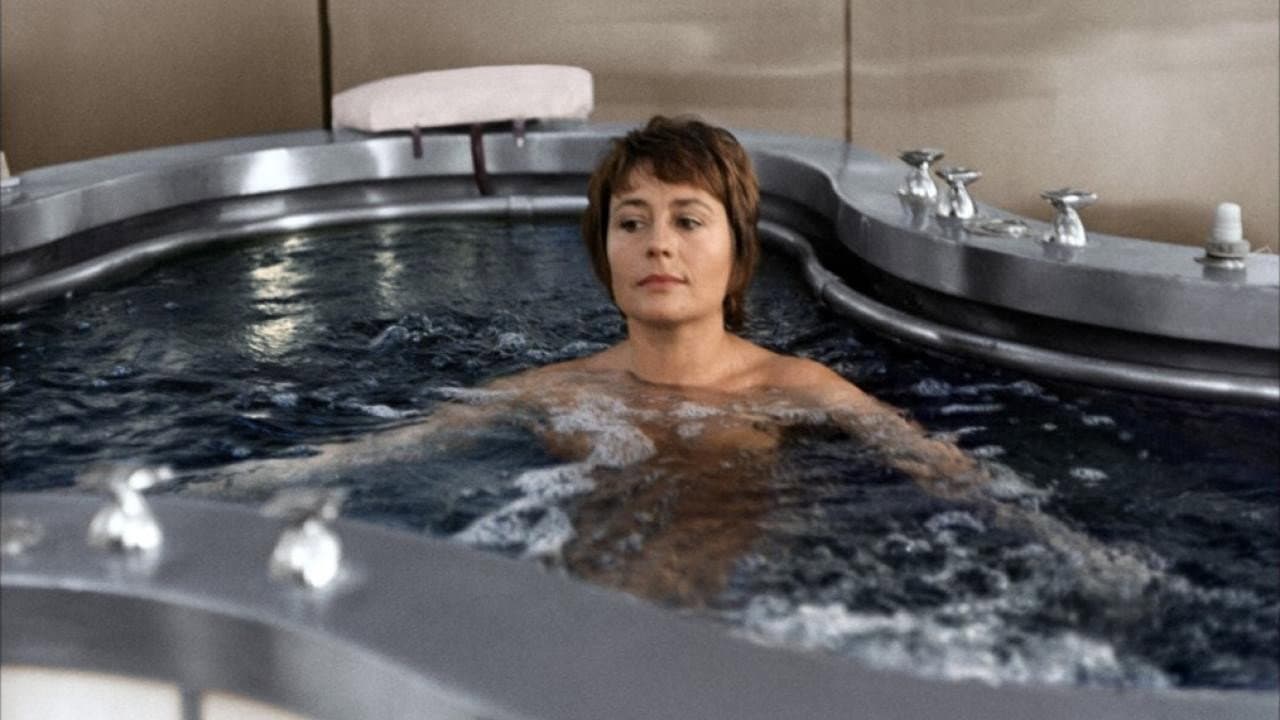
Shock Treatment is a 1973 psychological thriller that traps viewers in the claustrophobic world of an exclusive rejuvenation clinic. When Hélène Masson arrives to visit her friend Gérôme Savignat, she expects a pleasant reunion at this remote sanctuary run by the enigmatic Dr. Devilers and his partner Dr. Berbard. What she finds instead is a place where something has gone terribly wrong. A series of tragic events sets Hélène on a path she didn't anticipate—one that forces her deeper into an investigation that reveals the clinic's sinister underbelly. The film's 91-minute runtime keeps the tension wound tight, never allowing viewers to settle into comfort.
What's striking about Shock Treatment is how it uses isolation as both setting and character. The clinic's remote location becomes a prison, and Hélène's determination to uncover the truth becomes her only way out. The confined spaces, the mysterious staff, and the mounting body count all work together to create an atmosphere of paranoia that doesn't let up.
Behind the making of Shock Treatment and its cast
Shock Treatment arrived during a particularly fertile period for European thriller filmmaking in the early 1970s. The film emerged from the combined efforts of Belstar Productions and A.J. Films, two production companies that understood the mechanics of psychological suspense. With a runtime of 91 minutes, the filmmakers crafted something lean and purposeful—no wasted scenes, no bloated exposition. The movie sits comfortably in the tradition of Italian giallo films and French psychological thrillers that were gaining international traction during this era, though it carves out its own identity through its focus on institutional horror rather than slasher spectacle.
The cast brings a level of restraint and credibility to the material that grounds the increasingly absurd events unfolding on screen. The performances don't telegraph danger; they suggest it. The doctors maintain their professional facades even as evidence of wrongdoing mounts, and Hélène's growing desperation feels earned rather than manufactured. This wasn't a film designed to showcase star power or rely on marquee names—it depended instead on actors who could convey psychological complexity through subtle shifts in demeanor. The production values reflect European craftsmanship of the period, with careful attention paid to the clinic's sterile, unsettling design. Movie OTT tracks where films like this are currently streaming, making it easier to discover these gems from cinema's deeper catalog.
What makes Shock Treatment stand out as a psychological thriller
There's something about a film that doesn't need jump scares or explicit violence to unsettle you. Shock Treatment understands this. The threat here isn't supernatural or masked—it's institutional, which somehow feels more real, more plausible, more dangerous. The doctors aren't cartoonish villains twirling mustaches; they're professionals operating within a system that seems legitimate on the surface. That's what makes the investigation so compelling. As Hélène pieces together what's actually happening behind the clinic's polished exterior, we're forced to confront uncomfortable questions about authority, trust, and how easily corruption can hide in plain sight.
The film's pacing deserves particular mention. It doesn't rush toward revelations; it lets dread accumulate. Early scenes establish normalcy—the clinic functions, patients receive treatments, routines continue—but cracks appear gradually. A conversation that seemed innocent takes on sinister meaning. A procedure that sounded routine becomes questionable. This is a film that trusts its audience to connect dots rather than spelling everything out. I keep coming back to how effectively it uses misdirection without feeling manipulative. You're never quite sure who to trust, which is precisely the point. The performances anchor this uncertainty; nobody overacts, nobody winks at the camera. They're all just people in a contained space where something has gone wrong, and nobody wants to admit it.
Movie OTT's streaming aggregator platform makes it simple to find where Shock Treatment is currently available, and it's worth seeking out if you appreciate thrillers that rely on atmosphere and psychology rather than spectacle.
Where to stream Shock Treatment online
Shock Treatment is available on major OTT services, making it accessible to anyone with a streaming subscription. Rather than hunting across multiple platforms, you can check the "Where to Watch" widget at the top of this page to see which services currently carry the film in your region. Streaming availability shifts regularly—a title might move between platforms or rotate off temporarily—so that widget provides real-time information you can trust. Movie OTT keeps these listings updated as platforms add and remove titles from their catalogs. The 91-minute runtime makes it a perfect fit for a single sitting, so once you've located it, you can settle in without worrying about committing to a lengthy series.
Frequently asked questions
Q: Who directed Shock Treatment?
Shock Treatment was directed by a filmmaker working within the European thriller tradition of the 1970s. The film reflects the sensibilities of that era's approach to psychological suspense, favoring atmosphere and slow-burn dread over explicit violence.
Q: What's the runtime of Shock Treatment?
The film runs 91 minutes, a lean runtime that keeps the tension focused and eliminates any narrative fat. You can watch it in a single sitting without feeling like you've committed to an epic undertaking.
Q: Is Shock Treatment based on a true story?
Shock Treatment is a fictional thriller, though it taps into very real anxieties about institutional authority and medical ethics. The story's plausibility is part of what makes it unsettling—these kinds of abuses could happen, which is precisely what the film explores.
Q: What genres does Shock Treatment fall into?
The film blends thriller, crime, and drama elements. It's primarily a psychological thriller, but the crime investigation that drives the plot and the character-driven dramatic moments give it depth beyond simple genre mechanics.
Q: How is Shock Treatment rated on IMDb?
The film holds a 6.477/10 rating on IMDb, reflecting its status as a solid, well-crafted thriller that's found appreciation among fans of 1970s European cinema, even if it hasn't achieved mainstream canonical status.
Final thoughts on Shock Treatment
Shock Treatment isn't a film that announces itself loudly or demands your attention through spectacle. It's the kind of movie that works best when you're in the right frame of mind for it—when you want to be unsettled rather than entertained, when you can appreciate slow-building dread, when you're willing to sit with ambiguity. The isolation of the clinic setting, the professional veneer hiding corruption, the protagonist forced to question everything around her—these elements create something that lingers. It won't be everyone's cup of tea. Some viewers will find it slow; others will find it perfectly paced. But if you're drawn to psychological thrillers that trust their audience and understand that what you don't see can be scarier than what you do, Shock Treatment deserves your attention.