Si j'étais sage-femme: A Four-Country Look at What Midwifery Actually Costs
A 2026 French documentary follows journalist Sidonie Bonnec into delivery rooms across France, Senegal, Guatemala, and Nepal — asking what it really means to bring a life into the world. Runtime: ~92 minutes. Available now on France TV's streaming platforms and Canal+.
The Setup: What You're Actually Watching
Si j'étais sage-femme isn't a medical procedural. It's not trying to gross you out or manufacture drama from women's bodies in crisis. What it does instead — and this is rarer than it should be — is treat birth as a fundamentally human event. Fear, exhaustion, grace. All of it.
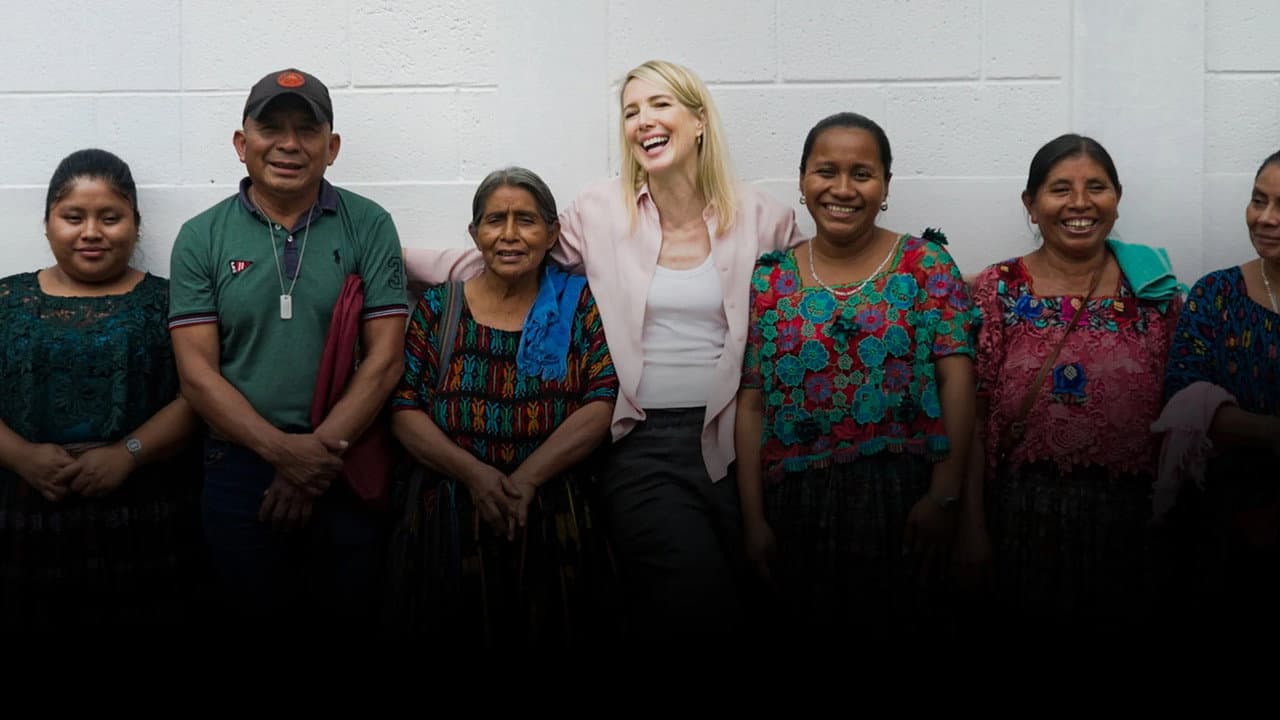
Sidonie Bonnec, a French journalist and TV presenter, walks into four delivery rooms across four countries. She's not a filmmaker. She's a witness — the person who gasps when she should gasp, asks questions she doesn't know how to ask, and lets you react the way you'd actually react if you were standing there. That's the entire point.
The film aired on France 5 in primetime (21:05–22:35) on a Thursday night in 2026. France Télévisions gave it the slot they give to documentaries they actually believe in. That scheduling choice matters — it's not filler, not late-night experimental programming. It's prestige work, treated as such from the broadcast outset.
Why the Four Countries Work
France, Senegal, Guatemala, Nepal. These aren't random pins on a map.
Each location represents a completely different reality: different resources, different relationships between traditional medicine and modern obstetrics, different cultural weight placed on women's expertise and women's bodies. The film holds all four in tension without ever collapsing into the cheap narrative that the West has it figured out and everyone else is catching up. That restraint—that refusal to preach—is what makes it stick with you afterward.
What's striking is how the documentary avoids the trap that sinks most birth films: voyeurism dressed up as intimacy. There's a sequence in Nepal where a midwife talks about transmission, about what she learned from the woman who trained her, and that word lands differently once you've spent ninety minutes watching what these professionals actually carry. Télé-Loisirs noted early on that the film is "impossible de ne pas verser une petite larme" — impossible not to shed a tear — while praising the absence of exploitation. Bonnec's presence is described as "un beau partage," a beautiful sharing.
Director Loraine Canayer keeps the camera at a respectful distance even when the subject matter is physically and emotionally raw. She earns her emotional moments rather than manufacturing them.
Who Made This and Why It Matters
Directed by Loraine Canayer. Original concept by Najat Vallaud-Belkacem, the former French minister of education turned activist — a detail that gives the project intellectual weight from the start. Produced by BABEL Doc, Together Media, and France Télévisions. That's a co-production setup that reflects genuine ambition, both editorially and geographically.
Bonnec isn't here as an auteur or expert. She's here as us — the audience surrogate walking into spaces most of us never see, reacting the way most of us would react. That's a specific choice, and it works.
Where to Actually Watch It
France TV Amazon Channel — if you're in France and have added that channel to your Prime subscription, it's there.
Canal+ — included in their documentary slate.
France 5's broadcast window — if you caught it live, great. If you missed it, the France Télévisions streaming infrastructure means it has a digital afterlife beyond the linear slot.
If you're outside France, availability gets messier — regional licensing, festival circuits, curated international platforms. Movie OTT's streaming tracker aggregates availability across major services and updates regularly, so check there for the most current picture of where you can actually press play.
(The IMDb rating currently sits at 0/10, which just means the data hasn't caught up yet with a 2026 release. Hard to say if that changes as the film travels further, but the early editorial signals are genuinely strong.)
The Actual Details You Need
- Runtime: Approximately 90–95 minutes
- Year: 2026
- Director: Loraine Canayer
- On-screen presence: Sidonie Bonnec
- Original concept: Najat Vallaud-Belkacem
- Broadcast channel: France 5 (primetime, 21:05–22:35)
- Streaming platforms: France TV Amazon Channel, Canal+
- Content note: Contains birth scenes and emotionally intense moments, but not gratuitous or voyeuristic
Who Should Actually Watch This
You should watch it if you're interested in global health, women's work, or the simple fact of how human beings arrive in the world. You should watch it if you've ever wondered what midwifery looks like when you strip away the hospital setting and the medical instruments and just look at what the job is. You should watch it if you like documentaries that trust you to sit with silence instead of filling it with voiceover.
You shouldn't watch it if you need narrative conflict engineered for you. If you need a villain, a three-act structure, a climax that resolves everything. This isn't that kind of film.
What strikes me is how the film's real subject isn't birth at all — it's transmission. Knowledge passed hand to hand. Expertise recognized and honored. The weight of what one person teaches another, and what that person then carries forward. That's the thread connecting all four countries, and once you see it, you can't unsee it.
If you liked documentaries like 13th or The Act of Killing — films that trust the audience and don't flinch from difficult material — this one sits in that same category. Quiet, honest, genuinely moving. The kind of work that stays with you after the credits.
Add it to your queue now. Movie OTT has updated streaming availability for international documentary releases, so you can find the exact link for your region. Don't wait for the critical consensus to solidify — that's how you miss things that matter.