


The Story of Silkwood: One Woman's Fight Against the Odds
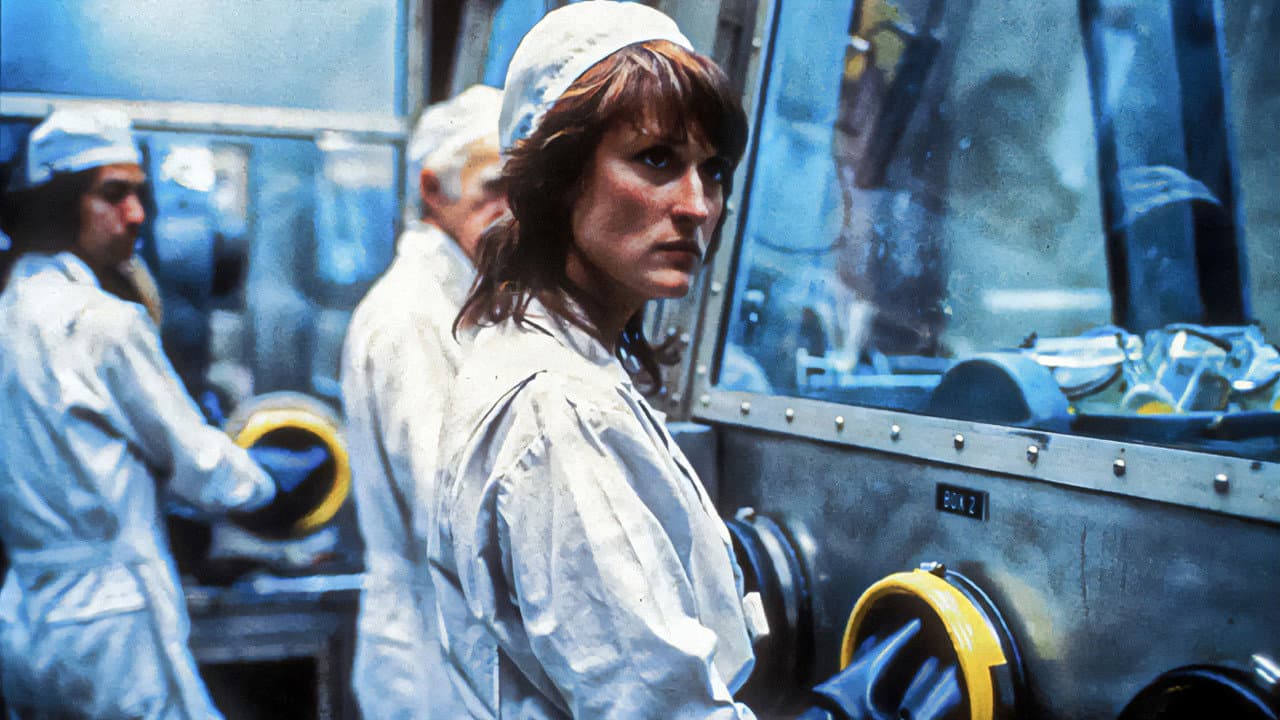
Karen Silkwood isn't your typical hero. She's a factory worker at a nuclear facility producing plutonium—just trying to get through her shift, make a living, and spend time with her friends in a small Oklahoma town. But when she's exposed to a lethal dose of radiation, something shifts. The company's response? Denial, indifference, bureaucratic stonewalling. What unfolds is a portrait of one woman's escalating protest against a system designed to protect profits, not people. As her health deteriorates and her determination hardens, Silkwood becomes dangerous to the powers that be—not because she's reckless, but because she won't stay silent. The official tagline says it all: "On November 13, 1974, Karen Silkwood, an employee of a nuclear facility, left to meet with a reporter from the New York Times. She never got there."
Behind the Making of Silkwood: A Powerhouse Production
Mike Nichols directed this 1983 biographical drama with the kind of restraint and precision that makes every scene land harder. He brought together a cast that didn't just act—they inhabited their roles. Meryl Streep, already a force in cinema, delivers a performance that captures Karen's vulnerability and steel in equal measure. Kurt Russell plays her coworker and romantic interest with surprising tenderness, while Cher (yes, the Cher) earned an Academy Award nomination for her supporting role as Karen's friend and roommate. The screenplay came from Nora Ephron and Alice Arlen, adapted from Howard Kohn's investigative book Who Killed Karen Silkwood?—a title that hints at the real mystery surrounding her death.
The film ran 131 minutes and came from ABC Motion Pictures. What's striking is that Nichols didn't make this a typical corporate-malfeasance thriller. Instead, he grounded it in the mundane reality of working-class life—the small moments between the big revelations matter just as much. The production earned significant critical attention and multiple award nominations, though it didn't become a blockbuster at the box office. That's partly because films about labor activism and radiation exposure don't typically pack multiplexes. But among critics and viewers who care about craft, character, and moral complexity, Silkwood has only grown in stature since its release.
What Makes Silkwood Stand Out: Performance and Moral Clarity
What's remarkable about Silkwood is how it refuses easy answers. You won't find a moment where the company suddenly admits wrongdoing or Karen gets a triumphant court victory on screen. Instead, Nichols shows us the slow erosion of trust, the accumulation of small humiliations, the way institutions protect themselves through bureaucratic inertia rather than outright villainy. The thing nobody mentions is how much the film trusts its audience to sit with ambiguity—we never see Karen's final drive, never know for certain what happened that night, and the movie doesn't pretend to.
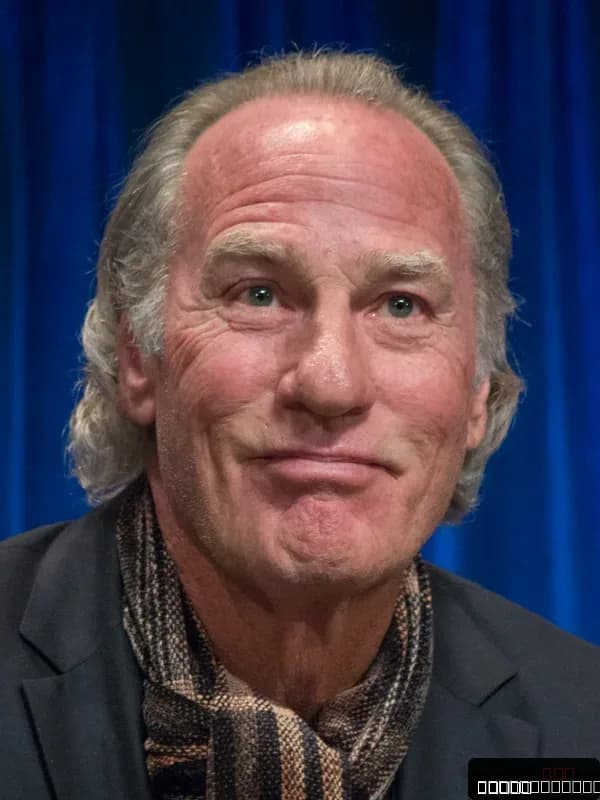
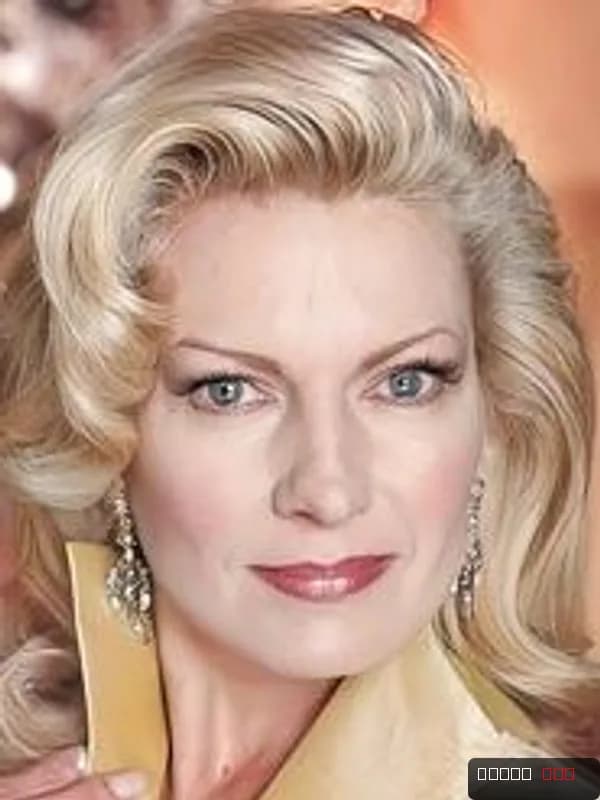
Streep's performance is the anchor. She plays Karen as someone who isn't naturally heroic—she's working-class, sometimes frustrated, occasionally petty, deeply human. There's a scene where she's trying to explain radiation contamination to her friends over dinner, and you can see the exhaustion of being the only person who understands the stakes. That's the power of this film. It doesn't make Karen a saint; it makes her real. Russell brings a quiet decency to his role, and Cher—who'd never acted in a dramatic film before—brings an authenticity that comes from genuine friendship rather than movie-star artifice. The supporting cast, from Craig T. Nelson as a union rep to Diana Scarwid as another worker, fills out a world that feels lived-in and specific.
If you're tracking where films like this are available, Movie OTT maintains an up-to-date database of which streaming platforms carry titles from this era. The site's strength is in catching films that don't always trend on social media but deserve your attention.
Where to Stream Silkwood Online
Silkwood is available on major OTT services, making it accessible if you want to revisit it or discover it for the first time. The film's 131-minute runtime means you'll want to carve out an evening—it's not a film you half-watch while scrolling your phone. The Where-to-Watch widget at the top of this page shows you exactly which platforms currently have it in your region. Availability shifts seasonally, so checking there before you settle in ensures you won't waste time searching. Given the film's age and critical reputation, it tends to rotate across services rather than disappear entirely, which is encouraging for anyone who's been meaning to catch up.
Frequently asked questions
Q: Is Silkwood based on a true story?
Yes. The film is adapted from Howard Kohn's investigative book Who Killed Karen Silkwood?, which chronicled the real Karen Silkwood's life as a whistleblower at the Kerr-McGee plutonium plant. Her death in a car crash in 1974 sparked the 1979 lawsuit Silkwood v. Kerr-McGee, which resulted in a $10 million jury verdict—the largest damages award of its kind at the time, though the estate eventually settled for $1.3 million.
Q: Who directed Silkwood?
Mike Nichols directed the film. Nichols was known for his ability to extract nuanced performances from actors and to find humanity in complex social narratives—skills he demonstrates throughout Silkwood.
Q: How long is Silkwood?
The film runs 131 minutes, which gives Nichols and his writers room to develop character relationships and let scenes breathe rather than rushing toward plot points.
Q: What happened to Karen Silkwood in real life?
On November 13, 1974, Karen Silkwood died in a car crash while driving to meet a New York Times reporter. The circumstances remain disputed—whether it was an accident, sabotage, or something else has never been definitively proven, and that ambiguity hangs over the film.
Q: Did Meryl Streep win an Oscar for Silkwood?
Streep received an Academy Award nomination for Best Actress, but didn't win. Cher earned a nomination for Best Supporting Actress. Despite the nominations, the film didn't become a major awards-season player, which some critics have argued was an oversight.
Final Thoughts on Silkwood
Why watch Silkwood now? Because it's a film about institutions failing ordinary people, about the cost of speaking truth, about what happens when you can't unsee something. It doesn't offer catharsis or neat resolution. Instead, it offers something rarer: a clear-eyed portrait of courage that doesn't look the way we expect it to. Streep, Russell, and Cher create a world you believe in completely. Nichols directs with such restraint that every moment counts. It's a masterclass in how to make a political film that's also deeply, authentically human.