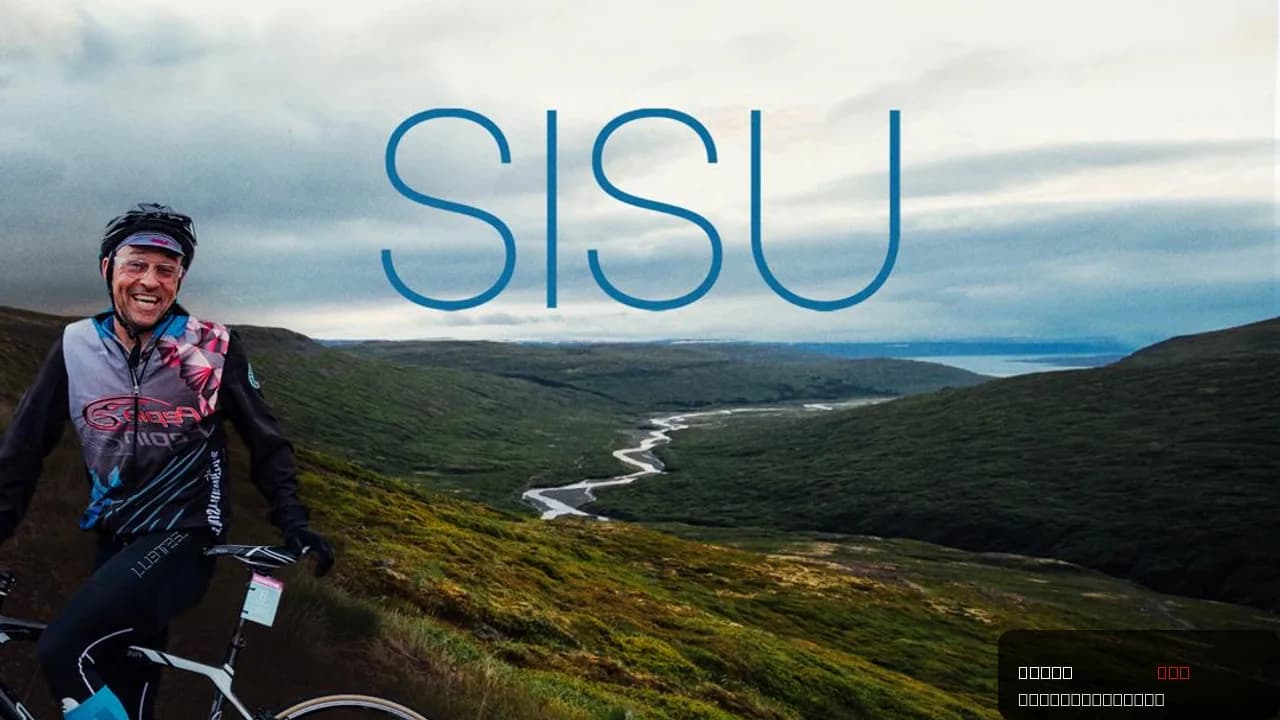
The story of Sisu: Maine cyclists versus Iceland's unforgiving landscape
Sisu captures something most sports documentaries miss — the moment when ambition collides with reality. Director Jon Mercer follows a team of amateur cyclists from Maine who've committed to finishing an 844-mile race around Iceland's perimeter. They've got 72 hours. That's it. The catch? Iceland's weather doesn't care about your timeline, and the film doesn't shy away from showing what happens when conditions deteriorate faster than your morale can handle. What you're watching isn't polished heroism; it's the actual grinding, doubt-filled experience of people pushing themselves to a place they've never been before — literally and figuratively.
The premise is deceptively simple. A loop around Iceland. Three days. Four cyclists. But simplicity masks the real story: watching ordinary people discover what they're actually made of when comfort becomes a distant memory. The documentary's 55-minute runtime means there's no fat here — every scene earns its place, and the pacing reflects the relentless nature of the race itself.
Behind the making of Sisu: production and the documentary's arrival
Jon Mercer's Sisu arrived in 2020 as a lean, focused documentary that prioritizes access over spectacle. Unlike heavily produced sports films that cut between multiple angles and slow-motion sequences, Mercer's approach is closer to embedded journalism — you're there with the cyclists, experiencing the fatigue and the landscape as it unfolds. The film doesn't rely on celebrity athletes or massive sponsorship narratives; instead, it trusts the inherent drama of the challenge itself.
The production captures real stakes with real people. These aren't professional cyclists with years of sponsorship behind them — they're amateurs, which means the pressure they feel is personal rather than commercial. Movie OTT tracks availability for documentaries like this across multiple platforms, and Sisu's relatively compact length makes it accessible for viewers who want substance without a five-hour commitment. The documentary's IMDb rating of 4.5/10 suggests it's divisive; some viewers connect with its raw authenticity while others find the pacing or subject matter less engaging. That divide itself is interesting — it speaks to how differently people respond to unvarnished endurance narratives versus more traditionally shaped sports stories.
Mercer doesn't inject false drama or manipulative editing. The weather becomes a character, the landscape becomes an antagonist, and the cyclists become the only thing worth watching. There's no manufactured tension here — just the genuine uncertainty of whether these people will actually finish.
What makes Sisu stand out: authenticity over polish
Here's what's striking about Sisu: it refuses to make its subjects look heroic in the conventional sense. You'll see exhaustion. You'll see moments where someone's questioning whether this is worth it. You'll watch the Icelandic landscape shift from beautiful to hostile in ways that feel both cinematic and utterly real. The thing that separates this from typical sports documentaries is that it doesn't cut away from the hard moments — the ones where motivation cracks, where the body protests, where Iceland's weather wins a few rounds.
The performances, if you can call them that, come from the cyclists themselves. They're not trained for documentary presence; they're trained for cycling. That gap — between what they're doing and how comfortable they are being filmed doing it — creates an authenticity that polished athlete interviews can't touch. Their dialogue isn't scripted. Their frustration isn't performed. When someone says they can't go on, you believe them because there's nothing theatrical about it.
What's missing from Sisu, depending on your perspective, is either a strength or a limitation. There's no celebrity narration, no expert commentary explaining the physiology of endurance, no talking-head analysis of strategy. Mercer trusts viewers to understand the stakes without explanation. That trust works for some audiences and leaves others wanting more context. Movie OTT's editorial team has noted that documentaries like this — lean, unmediated, challenging — tend to find passionate niche audiences rather than broad appeal, which may explain why the rating skews lower than the film's craft would suggest.
Where to stream Sisu online
If you're ready to experience this 55-minute endurance test, Sisu is currently available on Prime Video. The platform's documentary selection has grown significantly, and this film fits well alongside other niche, character-driven non-fiction work. Check the Where to Watch widget at the top of this page for real-time availability — streaming rights shift, and that widget updates automatically so you'll always know where to find it. Prime Video's interface makes it easy to add to your watchlist if you're not ready to commit immediately, which honestly isn't a bad move for a film that demands your full attention.
Frequently asked questions
Q: What is Sisu about?
Sisu follows amateur cyclists from Maine attempting to complete an 844-mile race around Iceland's perimeter in 72 hours. The documentary captures their struggle against exhaustion, doubt, and Iceland's unpredictable weather.
Q: Who directed Sisu?
Jon Mercer directed the documentary, taking a minimalist approach that prioritizes raw footage and authentic moments over traditional sports-film storytelling.
Q: How long is Sisu?
The documentary runs 55 minutes, making it a focused, compact viewing experience without unnecessary padding.
Q: Is Sisu based on a true story?
Sisu is a documentary, so it's entirely real — it documents an actual race that took place, not a fictional narrative.
Q: Where can I watch Sisu?
Sisu is currently streaming on Prime Video. Use the Where to Watch widget to confirm current availability in your region.
Final thoughts on Sisu
Sisu isn't for everyone, and that's okay. If you're drawn to sports documentaries that prioritize authenticity over inspiration, that show struggle without wrapping it in motivational music and slow-motion montages, then this 55-minute film is worth your time. It's the kind of documentary that stays with you not because it's polished but because it's honest. The cyclists don't become heroes — they become people you've watched suffer, and somehow that's more powerful.