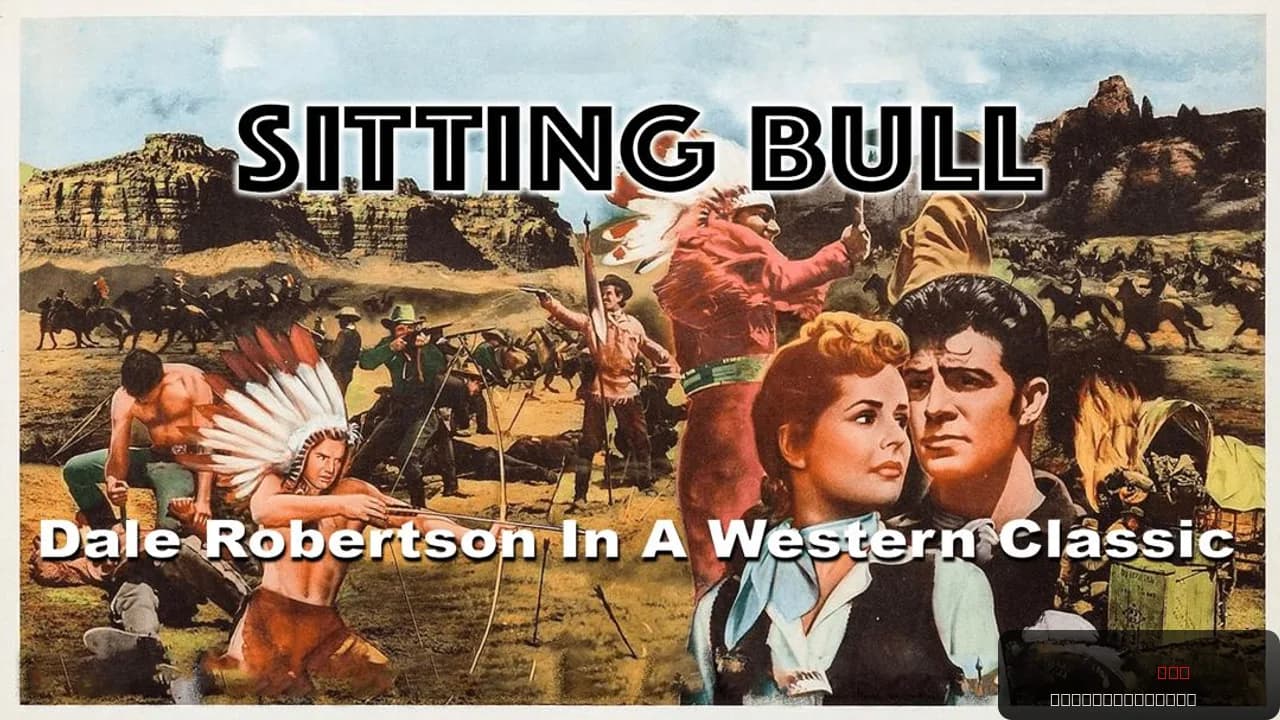
Unpacking the Historical Drama of Sitting Bull (1954)
Sitting Bull, the 1954 American-Mexican Western, transports audiences to the tumultuous 19th century, chronicling the fraught relationship between the Lakota people and the encroaching United States government. At its heart is the story of Chief Sitting Bull, a towering historical figure, and the desperate attempts to forge peace amidst escalating tensions. The narrative centers on a U.S. Army officer, Captain Parrish, portrayed by Dale Robertson, who, witnessing the systemic injustices inflicted upon the Sioux on their reservations, endeavors to broker a meeting between the revered Chief Sitting Bull and President Grant. This pivotal encounter, designed to avert further bloodshed and address the grievances of the Lakota, is ultimately jeopardized by the very forces of corruption and misunderstanding that fuel the conflict. The film lays the groundwork for the tragic events leading to the infamous Battle of the Little Bighorn, portraying the build-up from a perspective not often seen in Hollywood at the time.
Behind the Scenes: The Making and Cast of Sitting Bull
The production of Sitting Bull was a significant undertaking for its era, directed by Sidney Salkow and René Cardona, and notably filmed in Mexico. This 104-minute Western was shot in Eastmancolor and utilized the then-groundbreaking CinemaScope process, marking it as the first independent production to be filmed in this widescreen format. A bold move for its time. The creative decision to film south of the border, away from the typical Hollywood studio system, undoubtedly contributed to its distinctive visual style and sense of scale. The cast features a mix of familiar faces and authentic representation, with Dale Robertson leading as the empathetic Captain Parrish, alongside Mary Murphy, J. Carrol Naish, and John Litel. Crucially, the film also featured Iron Eyes Cody, an actor of Indigenous descent, in a significant role, lending a layer of authenticity to the portrayal of the Lakota people. While the film takes considerable liberties with historical accuracy — it's a greatly fictionalized account of the war — it earned a notable mention from The New York Times, which called it a "Crazy Horse opera," hinting at its dramatic scope and focus on Indigenous leaders. This production, a collaboration between the United States of America and Mexico, strived to offer a different narrative, challenging the prevailing stereotypes of the Western genre.
What Makes Sitting Bull (1954) a Resonant Western
What's truly striking about Sitting Bull is its willingness to step outside the conventional Western narrative, offering a more nuanced and, frankly, sympathetic portrayal of the Lakota people and their leaders. Unlike many films of its time that demonized Native Americans, this 1954 feature attempts to humanize Chief Sitting Bull and Crazy Horse, presenting their struggle not as mere aggression but as a fight for survival and dignity against systemic injustice. The user review from CinemaSerf points out this very aspect, noting how the film provides "an interesting look at the build up to the famous Battle of the Little Big Horn from more of the Sioux perspective," highlighting the "shocking treatment of these peoples on their reservations by the crooked and corrupt agents." Honestly, this shift in perspective is what gives the film its enduring value, despite an IMDb rating of 5.6/10 — a score that might not fully capture its historical significance. Dale Robertson's performance as Captain Parrish anchors this empathetic viewpoint, as his character grapples with the moral complexities of his duty versus his conscience. The film, for all its dramatization, serves as a crucial cinematic document from a period when such themes were rarely explored, making it a pivotal watch for anyone interested in the evolving representation of historical figures and the 19th-century American West. Peace was fragile.
Where to Stream Sitting Bull (1954) Online
For those eager to experience this unique historical Western, Sitting Bull (1954) is currently available for streaming. As of now, you can find this film on Prime Video, making it accessible to a wide audience with an existing subscription. Movie OTT, your go-to source for tracking streaming availability, confirms its presence on this popular platform. We understand how frustrating it can be to hunt for older films, but services like Prime Video frequently add classic titles to their libraries, ensuring that cinematic history remains within reach. To verify the most up-to-date streaming options and explore other films with similar thematic keywords like 'historical figure' or 'lakota,' be sure to check the "Where to Watch" widget at the top of this page. Movie OTT keeps a close watch on all the major streaming providers, so you'll always know where to find your next watch.
Frequently asked questions
Q: Is Sitting Bull (1954) based on a true story?
While Sitting Bull features the real historical figure of Chief Sitting Bull and depicts events leading up to the Battle of the Little Bighorn, it is a greatly fictionalized account. The film takes liberties with historical accuracy for dramatic effect.
Q: Who stars in the movie Sitting Bull?
The main cast of Sitting Bull includes Dale Robertson as Captain Parrish, Mary Murphy, J. Carrol Naish, John Litel, Joel Fluellen, and Iron Eyes Cody. They bring to life the characters in this 19th-century Western drama.
Q: Where can I watch Sitting Bull online?
As of now, Sitting Bull (1954) is available to stream on Prime Video. You can find the most current streaming information and other viewing options listed on our Movie OTT platform.
Q: What is the IMDb rating for Sitting Bull?
Sitting Bull currently holds an IMDb rating of 5.6 out of 10. This rating reflects audience and critic reception for the 1954 historical Western.
Q: How long is the film Sitting Bull?
The runtime for the 1954 film Sitting Bull is 104 minutes. It's a fairly standard length for a mid-century Western, providing ample time for its historical narrative to unfold.
Final Thoughts on Sitting Bull: A Western Worth Revisiting
For viewers interested in Westerns that dare to offer a different perspective, Sitting Bull remains a compelling watch. It's not just a period piece; it's a film that, however imperfectly, tried to grapple with the complex moral landscape of American expansion and the plight of Indigenous peoples. From the sweeping, sun-baked landscapes of Mexico, rendered in the then-novel CinemaScope, to the earnest performances that attempt to bridge a vast cultural divide, Sitting Bull stands as a testament to early attempts at cinematic empathy, however imperfectly executed. It's a strong recommendation for those who appreciate films that blend historical themes with a critical eye, especially for fans of the 'little big horn' narrative. If you're looking for a Western that prioritizes thematic depth over pure action, this 1954 classic on Prime Video is definitely worth your time.