
The Story of Sleeping Beauty (1987)
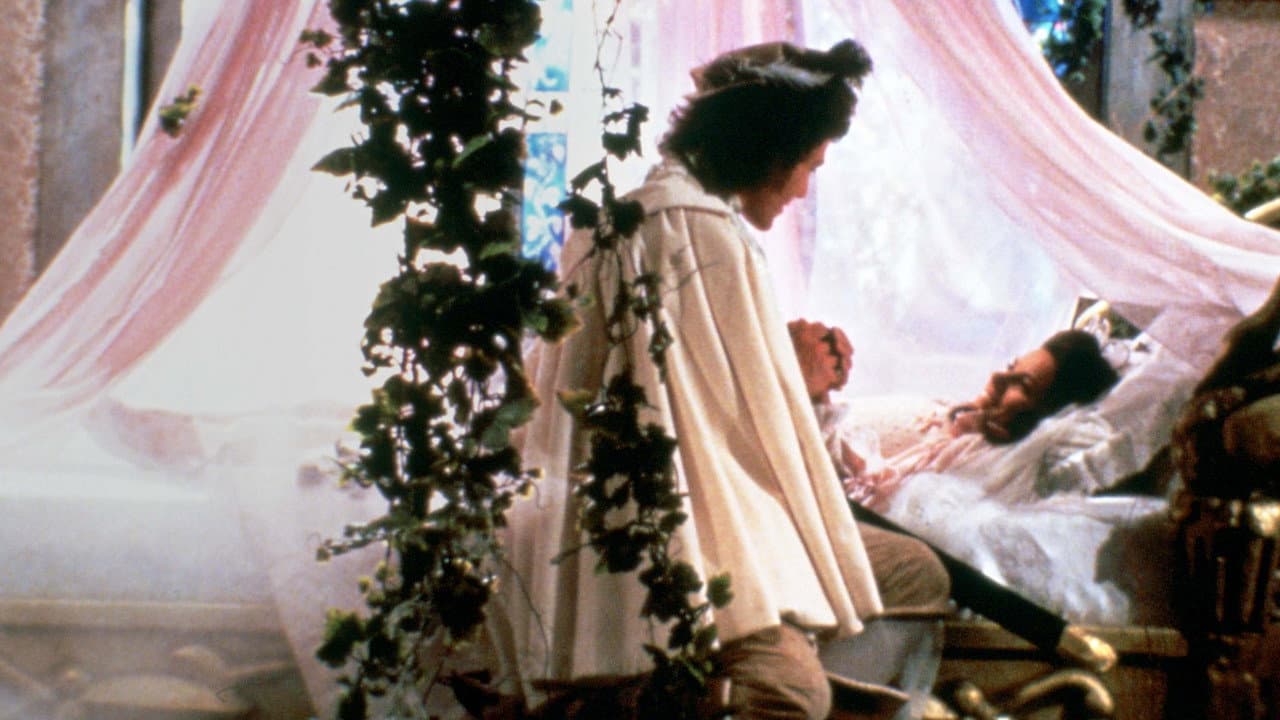
Sleeping Beauty arrives as a feature-length, live-action musical interpretation of Charles Perrault's timeless fairy tale. Rather than another animated retelling or straight dramatic adaptation, this 1987 version leans into the musical-theater tradition—think theatrical staging, choreographed sequences, and a contemporary sensibility that doesn't quite fit into any single box. The narrative follows the familiar beats: a princess cursed at birth, a dark fairy's vengeance, true love's power—but filtered through a lens that feels distinctly of its era. It's a 90-minute film that doesn't waste time, moving briskly through enchanted forests and castle intrigue. What's striking is how the filmmakers chose to treat the source material as a living, breathing story rather than a museum piece.
Behind the Making of Sleeping Beauty (1987)
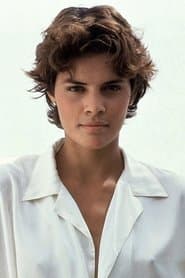
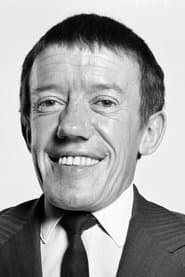
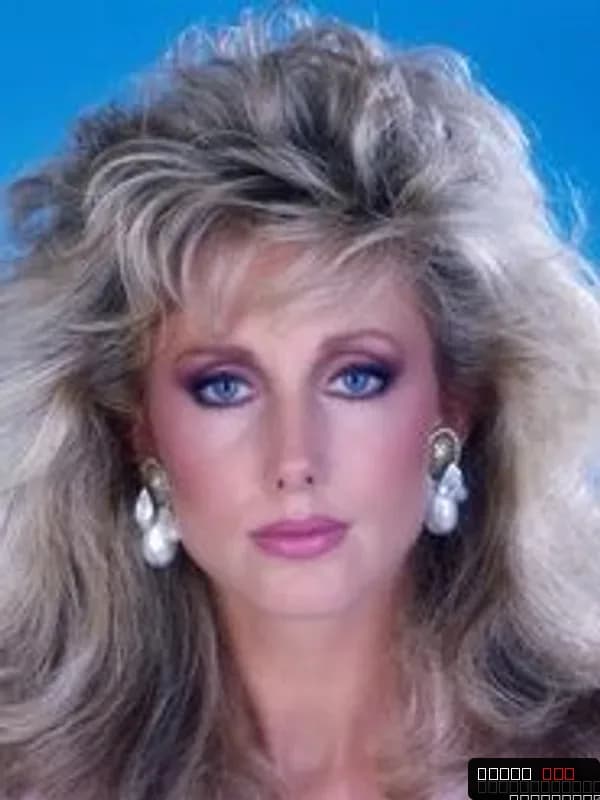
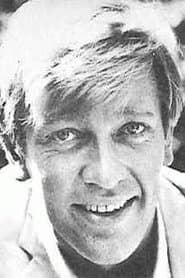
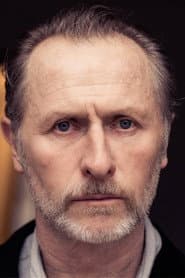
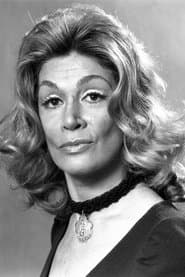
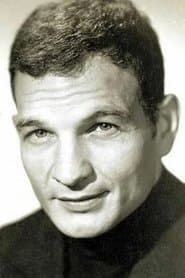
Sleeping Beauty was produced by Golan-Globus Productions and The Cannon Group, the Israeli-American studio that became legendary for churning out ambitious, low-budget genre films throughout the 1980s. The film was part of the Cannon Movie Tales series—a collection of fairy-tale adaptations that, honestly, had wildly inconsistent results but never lacked for audacity. Directed by David Irving, the production was filmed entirely in Israel, which gave the cinematography a particular look: sun-drenched, sometimes stark, occasionally surreal in ways that wouldn't have happened on a Hollywood backlot. The cast featured Tahnee Welch (daughter of Raquel Welch) in the titular role, alongside Morgan Fairchild and Sylvia Miles—all veteran actors who brought a level of craft to material that could've easily slipped into camp. Nicholas Clay rounded out the principal cast. The film arrived with a 7.3 IMDb rating, which for a mid-budget fairy-tale musical from an indie studio is respectable. Movie OTT tracks where films like this end up in the streaming ecosystem, and Sleeping Beauty's journey across platforms reflects how cult productions from this era have found new life in the digital age.
What Makes Sleeping Beauty Stand Out
The thing nobody mentions is how earnest this film is—and that earnestness is exactly what saves it. Rather than winking at the audience or leaning into irony, the performances commit fully to the material. Welch carries the film with a kind of graceful sincerity; she's not trying to deconstruct the princess archetype, she's inhabiting it. Fairchild, playing a darker role, brings real menace to scenes that could've easily tipped into melodrama. The musical numbers don't feel grafted on; they emerge from the story's emotional logic. What's particularly effective is how the film treats the curse not as abstract magic but as a genuine threat—there's a weight to the conflict, even when the production values are obviously constrained. The contemporary sensibility creeps in around the edges without undermining the fairy-tale atmosphere. Costume design, set dressing, the way scenes are staged—it all reflects a specific moment in 1980s fantasy cinema when filmmakers were still figuring out how to blend theatrical storytelling with cinematic language. The film won't blow your mind with technical wizardry, but it's competent, engaging, and surprisingly moving in moments where it matters most.
Where to Stream Sleeping Beauty Online
Sleeping Beauty is currently available on major OTT services, making it more accessible now than it's been in years. Rather than hunt down a VHS or wait for cable airings, you can find this 90-minute curiosity on the platforms you're already subscribed to. The "Where to Watch" widget at the top of this page shows you exactly which services carry it right now—availability shifts, so that's your real-time source. If you're exploring the Cannon Group's catalog more broadly, Movie OTT's streaming guides can help you map out where their other productions have landed. It's one of those films that benefits from on-demand access; you can dip in without committing to a theatrical run or appointment television.
Frequently Asked Questions
Q: Who directed Sleeping Beauty (1987)?
David Irving directed this live-action musical adaptation. It was part of the Cannon Movie Tales series, filmed entirely in Israel by the Golan-Globus Productions and The Cannon Group.
Q: Is Sleeping Beauty (1987) a musical?
Yes, it's a feature-length live-action musical version of the fairy tale. The film incorporates musical numbers and theatrical staging alongside the narrative.
Q: Who stars in Sleeping Beauty (1987)?
The film stars Tahnee Welch in the title role, alongside Morgan Fairchild, Nicholas Clay, and Sylvia Miles. It was released in 1987 and runs 90 minutes.
Q: Is this Sleeping Beauty based on a true story?
No, it's an adaptation of the classic fairy tale by Charles Perrault (and the Brothers Grimm tradition). It's a fantasy film, not based on historical events.
Q: What's the runtime of Sleeping Beauty (1987)?
The film runs 90 minutes, making it a fairly brisk take on the material for a musical adaptation.
Final Thoughts on Sleeping Beauty (1987)
Sleeping Beauty isn't a film that's going to top most people's all-time lists, but it's exactly the kind of mid-budget oddity that deserves rediscovery in the streaming era. It's earnest without being precious, ambitious without overreaching, and genuinely entertaining if you meet it halfway. Whether you're curious about 1980s fantasy cinema, interested in the Cannon Group's catalog, or just looking for something different from the usual animated adaptations, it's worth 90 minutes of your time. The performances anchor it, the story moves, and there's a real sense of craft underneath the modest production values. That's more than you'd expect from a fairy-tale musical made on a shoestring budget in Israel in 1987.